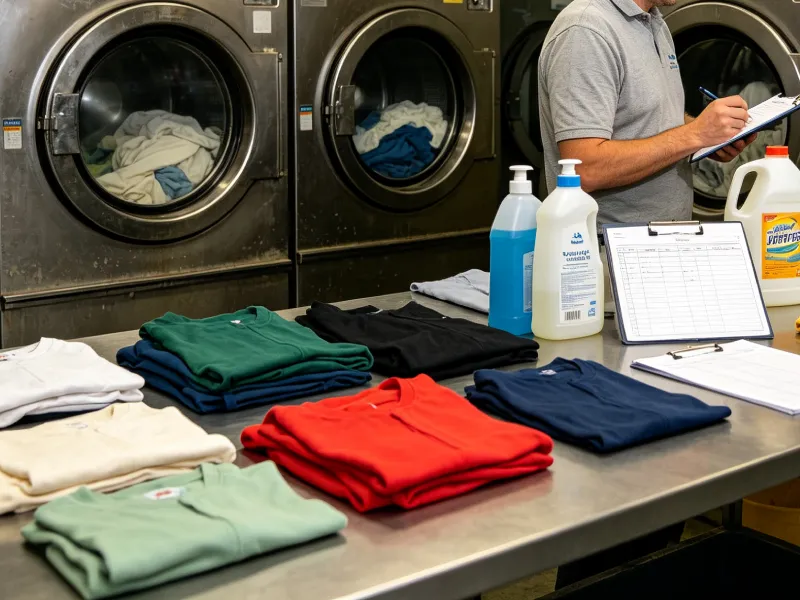
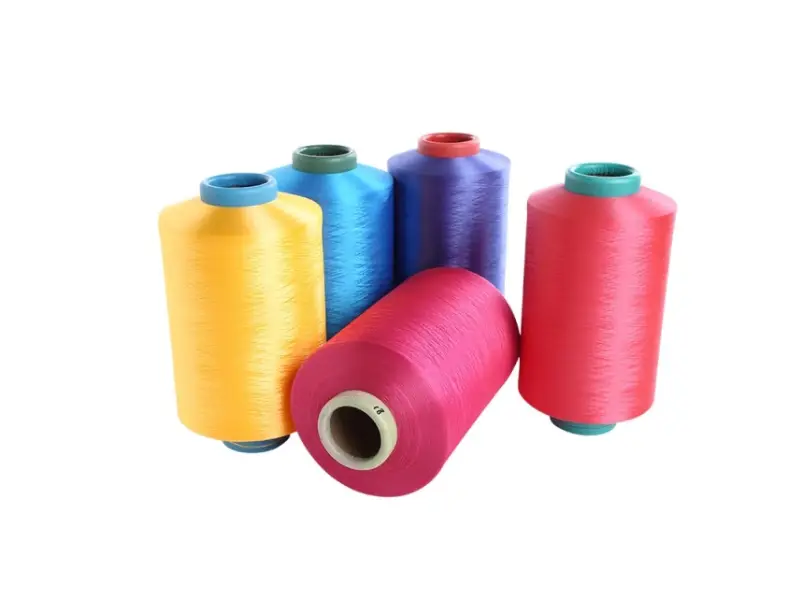
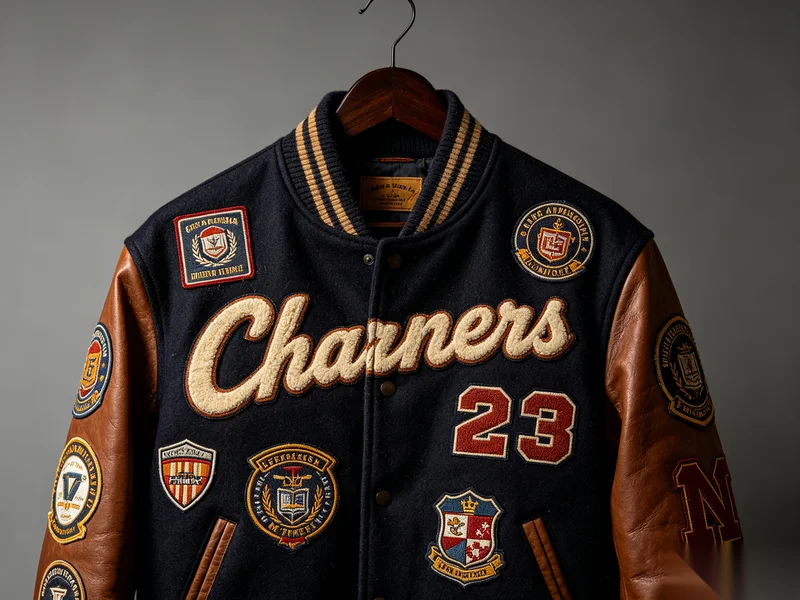
Patch fabric refers to the base textile material used to create embroidered, woven, or printed patches. It serves as the foundation that supports the threadwork, adhesives, and borders of a patch. The choice of embroidered patch fabric directly affects durability, texture, and overall appearance.
Whether for uniforms, jackets, hats, or bags, selecting the right custom patch material ensures high-quality results that fit both functional and aesthetic needs.
What Is Patch Fabric?
Patch fabric is the material layer onto which embroidery or printing is applied to create patches. It provides structure and support for stitching or adhesives, maintaining shape and stability during wear or washing.
Common uses include:
- Embroidered logos for uniforms
- Fashion and denim patch decoration
- Sports or club emblems
- Custom branding for products and events
Essentially, it’s the backbone of any patch — determining its strength, smoothness, and compatibility with different backings (iron-on, Velcro, or sew-on).
What Types of Fabric Are Used for Patches?
Different patch applications require specific base materials. Here are the most common options:
| Fabric Type | Characteristics | Best For |
|---|---|---|
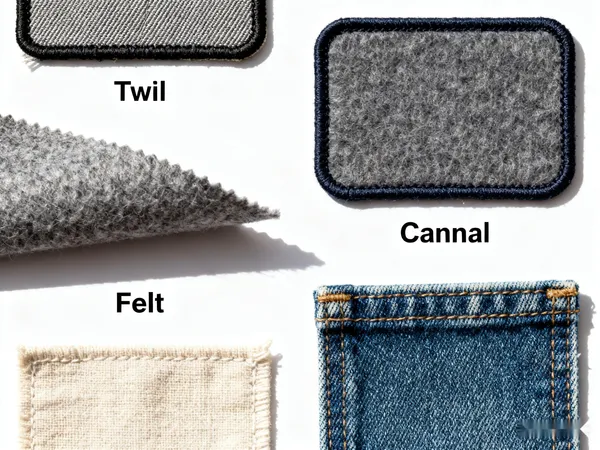
| Twill | Durable, smooth surface, excellent for embroidery | Corporate, uniform, and sports patches |
| Felt | Soft and flexible, adds a vintage or casual feel | Chenille, fashion, or school patches |
| Canvas | Heavyweight, rugged texture, great for durability | Outdoor, workwear, or tactical patches |
| Denim | Stylish and strong; complements streetwear | Fashion patches, jeans, jackets |
| Polyester | Lightweight and colorfast, supports fine detail | Promotional and retail patches |
| PVC/Rubber Base | Non-fabric but used for 3D modern patches | Outdoor, waterproof, or tactical gear |
The right patch fabric balances look, texture, and lifespan depending on where and how it will be used.
Why Is Fabric Selection Important in Patch Design?
Short Answer:
Because the fabric determines the patch’s quality, durability, and appearance.
Detailed Explanation:
- Embroidery Compatibility
Some fabrics hold stitches better, ensuring tight, even embroidery. - Color Clarity
Smooth fabrics like twill allow vibrant thread contrast and clear logos. - Durability Under Stress
Heavy fabrics like canvas or denim resist wear and stretching. - Flexibility and Comfort
Softer materials like felt provide comfort for fashion or casual patches. - Adhesion Performance
Iron-on adhesives bond differently depending on fabric texture and density.
Choosing the right patch fabric ensures long-lasting, visually appealing results across large production runs.
How to Choose the Right Patch Fabric for Your Needs
When selecting custom patch materials, consider:
- Purpose of the Patch – Is it decorative, promotional, or industrial?
- Application Method – Iron-on, sew-on, or Velcro attachment?
- Expected Wear Conditions – Frequent washing, outdoor exposure, or occasional use?
- Design Complexity – Fine embroidery details require smoother surfaces.
- Budget – Some fabrics (like twill) are cost-efficient for bulk production.
A professional patch supplier can recommend suitable materials based on your project requirements.
Twill: The Most Common Patch Fabric
Twill is the gold standard for embroidered patch fabric. It’s smooth, tightly woven, and supports detailed stitching without distortion.
Advantages:
- Excellent color retention
- Ideal base for heat-seal adhesives
- Long-lasting structure
- Works with both embroidery and printing
Because of its balance between cost and performance, twill is widely used in uniforms, sports apparel, and promotional products.
Felt: Soft Texture for Vintage or Premium Patches
Felt is another popular option when brands want a softer, classic look. It’s often chosen for:
- Chenille patches
- Letterman jackets
- Fashion accessories
Benefits:
- Unique tactile texture
- Absorbs thread colors beautifully
- Adds a retro or luxury aesthetic
However, it’s less durable than twill, making it better for decorative or light-duty applications.
Canvas and Denim: Durable Patch Fabrics for Heavy-Duty Use
For rugged environments or outdoor branding, canvas and denim fabrics are top choices.
Canvas is tough, tear-resistant, and ideal for:
- Work uniforms
- Tactical gear
- Bags and caps
Denim adds a fashion-forward appeal to:
- Jackets
- Jeans
- Streetwear collections
Both materials pair well with bold embroidery and contrast stitching.

Polyester and Synthetic Patch Fabrics
Polyester is a lightweight, cost-effective option for custom embroidered patches. It’s suitable for:
- Promotional events
- Retail branding
- Lightweight uniforms
Advantages:
- Fast drying
- Resistant to shrinking and wrinkles
- Supports precise embroidery
Polyester blends are also used in printed or sublimated patches for more detailed graphics.
How to Apply Patch Fabric to Apparel
Depending on the patch’s backing and fabric type, application methods include:
1. Sew-On
- Best for long-term durability.
- Works with twill, canvas, or denim patches.
2. Iron-On
- Uses heat-activated adhesive backing.
- Ideal for cotton, polyester, or blends.
3. Velcro (Hook and Loop)
- Allows patch removal and replacement.
- Common for tactical, military, or event uses.
Each method should match the patch fabric’s heat tolerance and structure.
Tips for Maintaining Patch Fabrics
- Wash garments inside out with mild detergent.
- Avoid bleach or hot water.
- Air dry instead of using high-heat dryers.
- Re-press iron-on patches if edges lift over time.
Proper care extends the life of both the patch and its underlying fabric.
Applications of Patch Fabric Across Industries
| Industry | Patch Use Example |
|---|---|
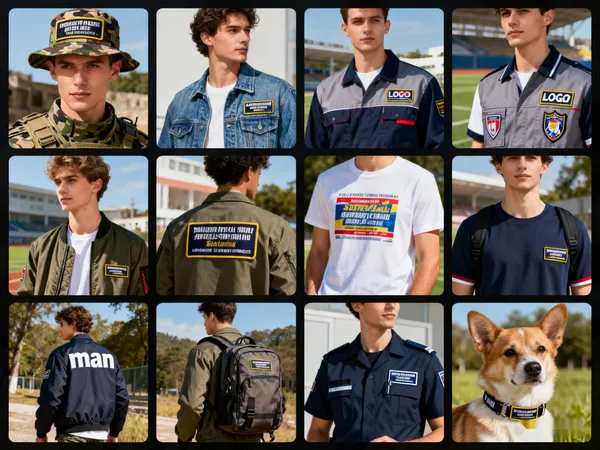
| Corporate | Company logo patches on workwear |
| Sports | Team emblems, number badges |
| Fashion | Decorative denim or felt patches |
| Military & Tactical | Durable canvas or Velcro-backed name tags |
| Promotional | Lightweight polyester patches for giveaways |
Every application benefits from choosing the right patch fabric for its purpose.
Conclusion: The Foundation of Every Quality Patch
The right patch fabric forms the core of every durable, well-made patch. Whether you’re creating embroidered patch fabric for uniforms, denim jackets, or promotional items, selecting the right custom patch material ensures consistent quality, comfort, and style.
From twill’s reliability to felt’s softness and canvas’s strength, each fabric tells its own story—woven into the identity of the brand, the garment, and the craftsmanship behind every stitch.
About Author
——————————————————————————————————————————————

Apollo
Senior E-commerce Manager
Apollo is an experienced e-commerce manager specializing in patches, apparel accessories, and digital marketing, helping global textile brands grow with proven online strategies.
——————————————————————————————————————————————