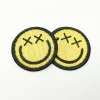
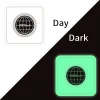
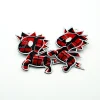
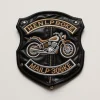
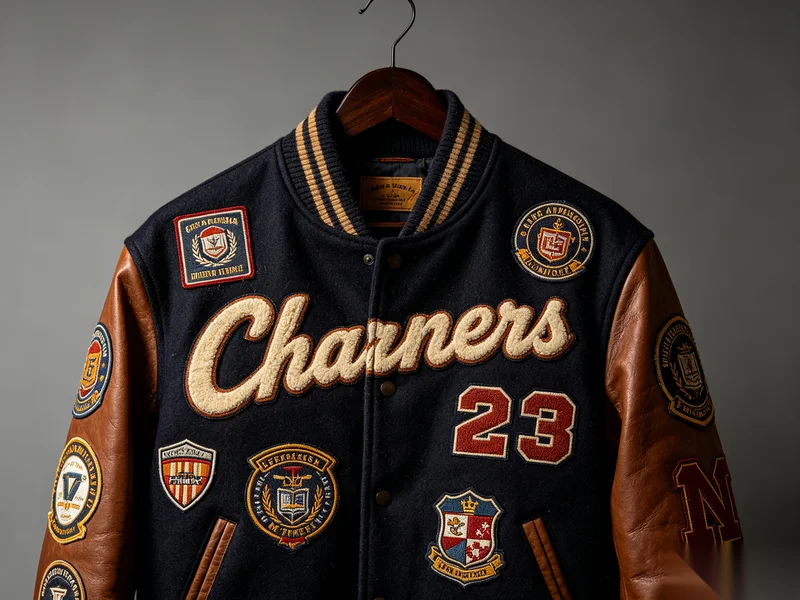
Fabric patch design refers to the structured process of creating patches using textile materials for apparel and accessories. In B2B manufacturing, effective fabric patch design ensures visual consistency, production efficiency, durability, and seamless integration into large-scale apparel and uniform programs.
What does “fabric patch design” mean in professional apparel sourcing?
Short Answer:
It means designing patches with fabric-based materials that are suitable for mass production and commercial garment use.
In-Depth Explanation:
From a B2B perspective, fabric patch design goes beyond artwork. It involves balancing aesthetics with manufacturability, cost, and performance.
A production-ready design considers:
- Patch type (embroidered, woven, printed, chenille)
- Fabric base selection
- Stitch density or print method
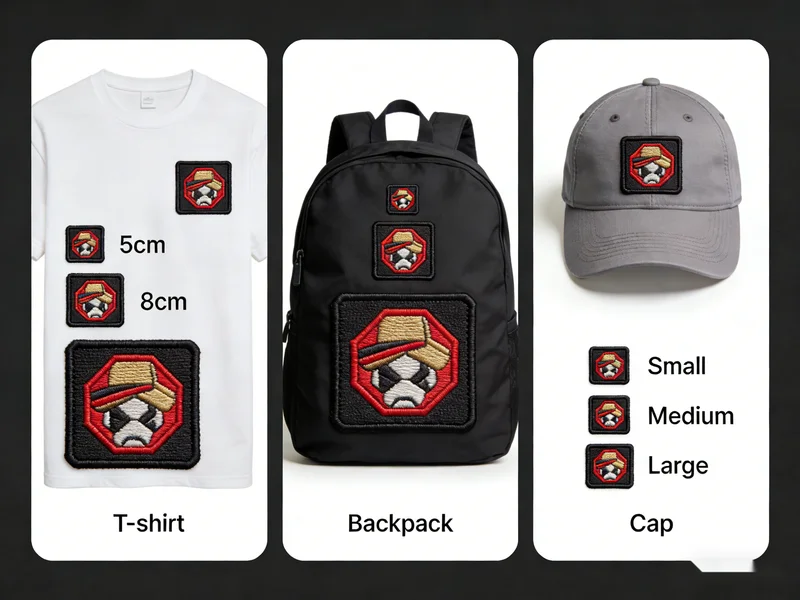
- Size standardization
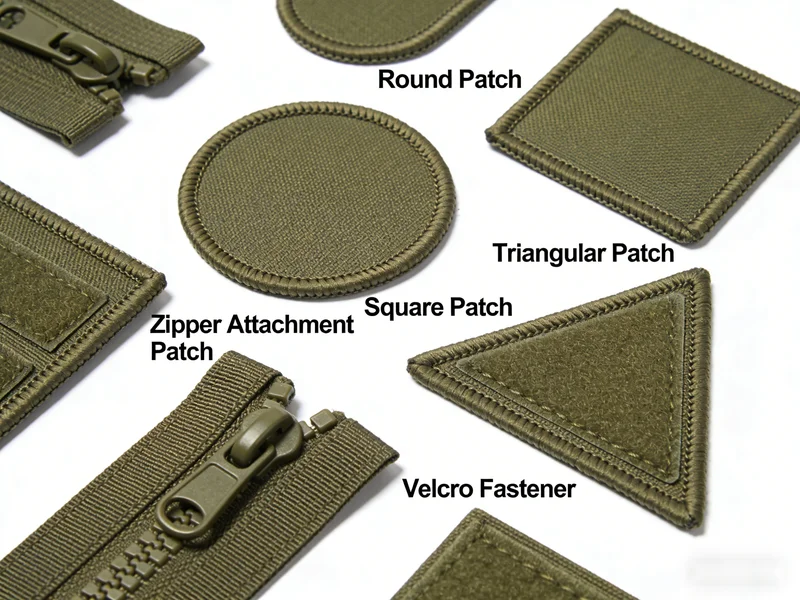
- Attachment method
Poor design choices can lead to high costs, long lead times, or quality issues in bulk production.
Why Is Fabric Patch Design Important for B2B Apparel Brands?
Short Answer:
Because design decisions directly affect cost, lead time, and product durability.
Key Business Impacts:
Production Efficiency
Optimized designs reduce machine time and material waste.
Cost Control
Well-planned patch design for apparel avoids unnecessary complexity that increases unit cost.
Brand Consistency
Standardized designs ensure visual consistency across product lines and production batches.
Supply Chain Reliability
Manufacturable designs minimize errors and rework during mass production.
What Are the Common Types of Fabric Patch Designs?
Short Answer:
The most common designs are embroidered, woven, printed, and chenille fabric patches.
Comparison Table (Featured Snippet Optimized):
| Patch Type | Best Design Use | Key Feature |
|---|---|---|
| Embroidered | Logos, text | Texture & durability |
| Woven | Small details | High clarity |
| Printed | Complex graphics | Color accuracy |
| Chenille | Bold letters | Thick, plush texture |
Choosing the right type early is critical for scalable production.
How Does Fabric Choice Affect Patch Design?
Short Answer:
The fabric base determines print clarity, stitch quality, and durability.
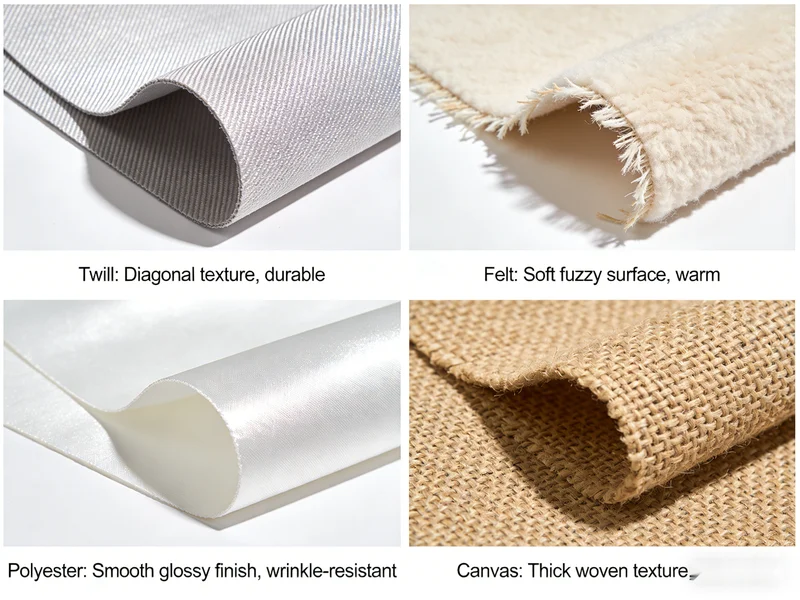
Common Fabric Bases Explained:
- Twill: Smooth surface, widely used for embroidery
- Felt: Thick base for chenille patches
- Polyester: Ideal for sublimation printing
- Canvas: Durable for workwear and uniforms
Fabric selection must match both the design intent and the garment application.
What Design Elements Should Be Considered for Custom Fabric Patches?
Short Answer:
Designs must balance visual impact with technical feasibility.
Key Design Elements:
Size & Shape
Standard sizes reduce cutting waste and improve efficiency.
Color Count
More colors increase embroidery time or printing cost.
Line Thickness
Very thin lines may not reproduce well in embroidery.
Text Size
Minimum text size is critical for readability after washing.
Experienced manufacturers often adjust artwork to meet production limits.
How Is Fabric Patch Design Prepared for Mass Production?
Short Answer:
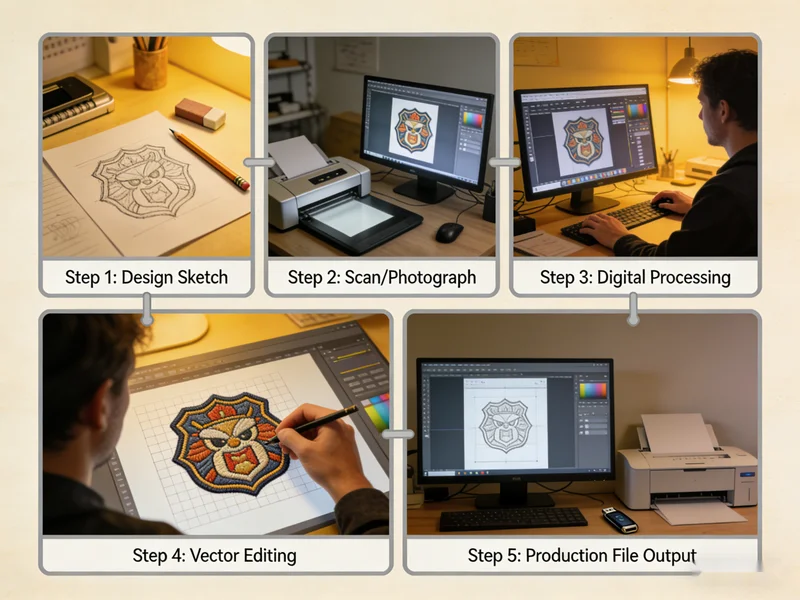
Designs are converted into production-ready files through digitization or print setup.
Production Preparation Process:
- Artwork review and optimization
- Patch type confirmation
- Digitization (for embroidery or chenille)
- Print file setup (for printed patches)
- Sampling and approval
- Standardization for bulk production
This process ensures consistency across thousands of units.
Fabric Patch Design for Apparel vs Accessories: What’s the Difference?
Short Answer:
Apparel patches require higher wash durability and flexibility.
Key Differences Explained:
- Apparel patches must withstand washing and wearing
- Accessories allow more rigid or decorative designs
- Uniform patches prioritize clarity and longevity
- Fashion patches allow more expressive textures
Understanding end use is essential in fabric patch design.
Can Fabric Patch Designs Be Easily Modified for Different Products?
Short Answer:
Yes, if the original design is modular and standardized.
Design Scalability Benefits:
- Same logo, different sizes
- Same artwork, different patch types
- Same patch, different backing options
This flexibility supports OEM and ODM apparel development.
What Backing Options Should Be Considered During Design?
Short Answer:
Backing choice affects application method and garment compatibility.
Common Backing Types:
- Sew-on: Permanent, high durability
- Heat seal: Fast application, clean finish
- Velcro: Interchangeable, role-based use
Backing should be planned during the fabric patch design stage—not after production.
Are Fabric Patch Designs Suitable for OEM & ODM Projects?
Short Answer:
Yes, they are a core component of OEM and ODM apparel manufacturing.
OEM/ODM Advantage:
Well-designed patches allow brands to differentiate products without changing garment construction, reducing development cost and speeding up time to market.
What Should B2B Buyers Look for When Evaluating Patch Design Support?
Short Answer:
They should evaluate technical guidance, production experience, and scalability.
Evaluation Checklist:
- Manufacturer’s ability to optimize artwork
- Knowledge of fabric and patch types
- Sampling accuracy
- Bulk production consistency
- Support for reorders and updates
Strong design support reduces long-term production risk.
Final Thoughts: Why Fabric Patch Design Is a Strategic B2B Decision
For B2B buyers, fabric patch design is not just a creative step—it is a strategic manufacturing decision. Well-designed patches improve efficiency, reduce costs, and ensure consistent brand presentation across large apparel programs.
By leveraging professional custom fabric patches, scalable patch design for apparel, and durable embroidered fabric patches, brands and manufacturers can build reliable, flexible, and production-ready patch systems.
About Author
——————————————————————————————————————————————

Apollo
Senior E-commerce Manager
Apollo is an experienced e-commerce manager specializing in patches, apparel accessories, and digital marketing, helping global textile brands grow with proven online strategies.
——————————————————————————————————————————————