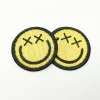
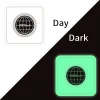
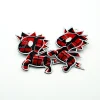
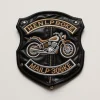
A screen printed inflatable TPU label is a premium 3D patch created by combining a printed TPU film with a transparent TPU cover layer. Through high-frequency welding, an enclosed air chamber is formed between the two layers, creating a raised, soft, and hollow three-dimensional effect. Compared with traditional silicone or PVC patches, inflatable TPU labels offer a lighter weight, softer touch, excellent wash durability, and a unique visual depth that enhances brand recognition.
Key Features at a Glance
| Feature | Screen Printed Inflatable TPU Label |
|---|---|
| Structure | Double-layer TPU |
| Appearance | 3D Raised Hollow Effect |
| Surface Finish | Glossy or Matte |
| Thickness | 0.6mm–1.5mm |
| Flexibility | Excellent |
| Wash Resistance | Excellent |
| Weight | Lightweight |
| Application Method | Heat Transfer |
| Suitable For | Sportswear, Outdoor Apparel, Fashion Brands |
What Is a Double-Layer Inflatable TPU Patch?
A double-layer inflatable TPU patch consists of three functional layers:
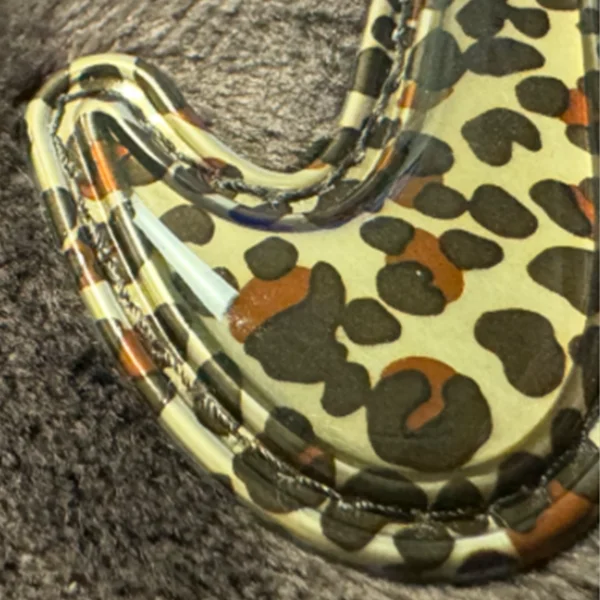
Layer 1: Printed TPU Film
The bottom layer contains the logo, graphics, text, or brand elements.
Layer 2: Transparent TPU Film
A clear TPU film is placed over the printed layer.
Layer 3: Heat Transfer Adhesive Film
A hot-melt adhesive layer is laminated to the back, allowing the patch to be heat pressed onto garments.
Between the printed TPU and transparent TPU layers, a sealed air cavity is created through high-frequency welding technology.
This enclosed chamber gives the patch its signature:
- Puffy appearance
- Soft touch
- Hollow structure
- Three-dimensional effect
How Is a Screen Printed Inflatable TPU Label Manufactured?
Step 1: Printing the TPU Base Layer
The first step involves preparing the decorative TPU film.
Material Selection
Most manufacturers use:
- White TPU film
- Colored TPU film
- Thickness: 0.3mm–0.5mm
The material must be suitable for:
- High-frequency welding
- Heat transfer application
- Repeated washing
Step 2: Surface Treatment
Before printing, the TPU surface is treated through:
- Corona treatment
- Plasma treatment
This process improves ink adhesion and ensures long-term durability.
Without proper surface activation, logos may crack or peel after repeated washing.
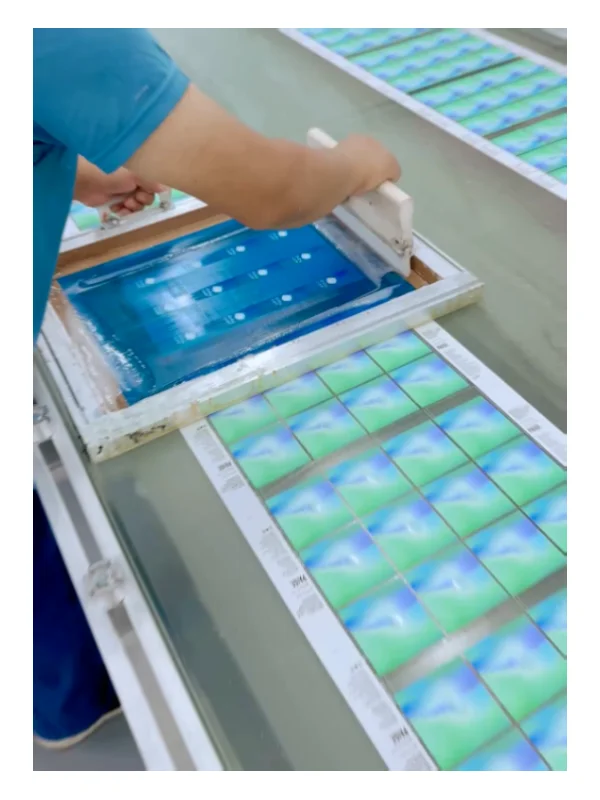
Step 3: Logo Printing
Screen Printing (Most Common)
For large-scale production, screen printing remains the preferred method.
Advantages include:
✔ Excellent color consistency
✔ Strong adhesion
✔ High production efficiency
✔ Superior wash resistance
Typical printing sequence:
- Base color
- Spot colors
- Special effects
- Protective coating
Each layer is individually cured before the next layer is applied.
UV Digital Printing
For small production runs or highly detailed graphics, UV printing can also be used.
Advantages include:
- No screen setup costs
- Full-color graphics
- Fine details
- Fast sampling
However, for large production quantities, screen printing generally offers better cost efficiency and durability.
Step 4: Drying and Curing
After printing, the TPU film must be fully cured.
Typical parameters:
- Temperature: 60–80°C
- Duration: 30–60 minutes
Proper curing prevents:
- Bubble formation
- Delamination
- Welding defects
during later processing stages.
Why Is the Transparent TPU Layer Important?
The transparent TPU layer plays two critical roles.
Protecting the Graphics
The printed logo is sealed beneath the transparent film, which helps prevent:
- Abrasion
- Scratching
- Color fading
This greatly improves product lifespan.
Creating the Inflatable Effect
During high-frequency welding, the perimeter of the patch is sealed while the center remains hollow.
The result is:
- Raised appearance
- Cushion-like structure
- Soft elastic touch
This effect is difficult to achieve with traditional silicone patches.
How Is the 3D Hollow Structure Created?
The most critical process is high-frequency welding.
Also known as:
- RF Welding
- High Frequency Embossing
- Radio Frequency Sealing
The machine uses electromagnetic energy to generate heat inside the TPU material.
This allows the TPU layers to fuse together without adhesives.
Benefits of High-Frequency Welding
Compared with glue bonding, RF welding provides:
✔ Stronger bonding strength
✔ Better wash durability
✔ Cleaner edges
✔ Improved appearance consistency
✔ Enhanced waterproof performance
This is why inflatable TPU labels are increasingly popular among premium apparel brands.
Why Are Screen Printed Inflatable TPU Labels Becoming Popular?
1. Strong Visual Impact
The raised air-filled structure naturally attracts attention.
Unlike flat heat transfers, inflatable TPU patches create:
- Shadows
- Depth
- Dimension
which helps logos stand out on garments.
2. Lightweight Construction
Traditional thick silicone badges can add noticeable weight to garments.
Inflatable TPU labels achieve a similar 3D appearance while remaining significantly lighter.
This makes them ideal for:
- Performance sportswear
- Running apparel
- Lightweight outerwear
3. Soft Touch
Because the interior is hollow rather than solid, the patch remains:
- Flexible
- Comfortable
- Soft to the touch
This improves wearer comfort.
4. Excellent Durability
Properly manufactured TPU labels offer:
- Excellent washing resistance
- UV resistance
- Flex cracking resistance
- Abrasion resistance
making them suitable for long-term use.
What Applications Are Best for Inflatable TPU Labels?
Sportswear
Perfect for:
- Team logos
- Performance branding
- Athletic uniforms
Outdoor Apparel
Suitable for:
- Hiking jackets
- Ski wear
- Technical outerwear
where lightweight branding solutions are preferred.
Fashion Brands
Many premium fashion brands use inflatable TPU patches to create:
- Modern aesthetics
- Innovative textures
- Elevated branding details
without adding excessive thickness.
Footwear and Bags
Applications include:
- Shoe tongues
- Backpack logos
- Luggage branding
- Accessories
Inflatable TPU Label vs Silicone Patch
| Feature | Inflatable TPU Label | Silicone Patch |
|---|---|---|
| Weight | Lighter | Heavier |
| Flexibility | Excellent | Good |
| Hollow Structure | Yes | No |
| Visual Depth | Excellent | Excellent |
| Wash Resistance | Excellent | Excellent |
| Fine Graphic Capability | Better | Moderate |
| Heat Transfer Application | Excellent | Excellent |
Design Recommendations for Brands
For the best results, we typically recommend:
Logo Size
Minimum line width:
- 0.3mm–0.5mm
to maintain clarity after welding.
Air Chamber Height
Recommended inflation height:
- 0.5mm–1.2mm
Higher structures create stronger visual impact but may reduce flexibility.
Color Selection
High-contrast colors work particularly well because the transparent TPU layer enhances depth perception.
Final Thoughts
A screen printed inflatable TPU label combines advanced printing technology with high-frequency welding to create a unique 3D hollow branding solution. By using a printed TPU base layer, a transparent protective film, and a sealed air chamber structure, brands can achieve a premium appearance that is lightweight, durable, and visually distinctive.
For sportswear brands, outdoor apparel manufacturers, fashion labels, and accessory producers looking for innovative branding solutions, inflatable TPU patches offer an excellent balance of aesthetics, performance, and long-term durability.
At Qinghan, we help brands develop custom TPU patches with optimized structures, material selection, color matching, and production engineering to ensure that every label achieves the desired visual effect while remaining production-friendly and cost-effective.
About Author
——————————————————————————————————————————————

Laurie
Sales Manager
Hi, I’m Laurie, Sales Manager. I am detail-oriented and highly responsible, focusing on understanding clients’ real needs and delivering reliable solutions while building long-term, trusted partnerships.
——————————————————————————————————————————————