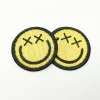
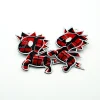
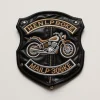
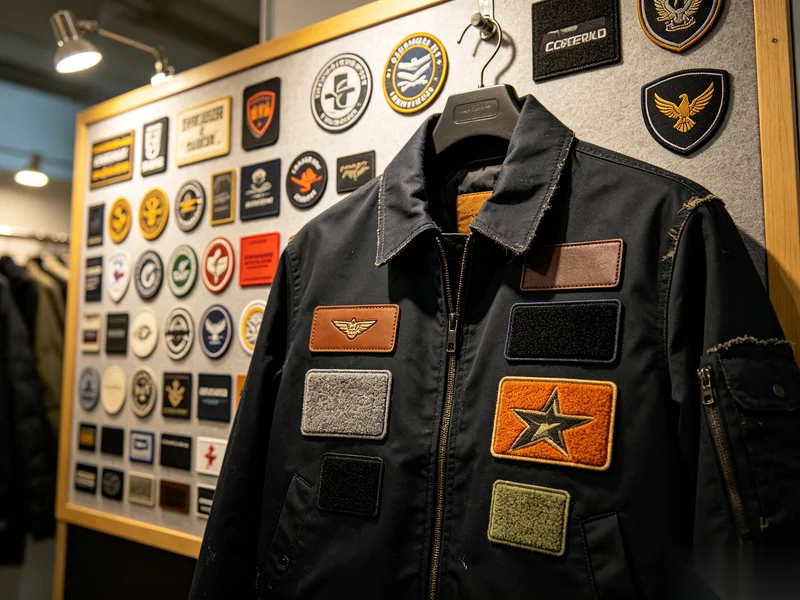
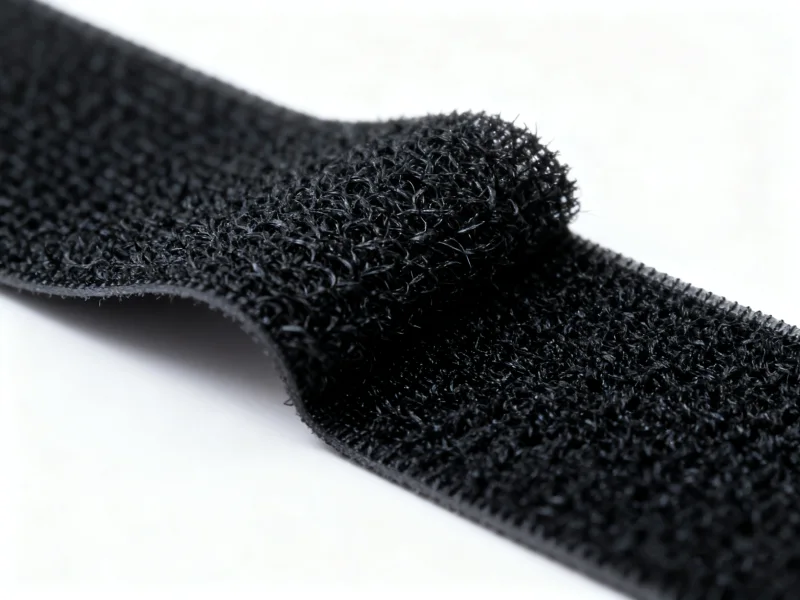
A hook and loop backing patch is a detachable embroidered or woven patch that uses a Velcro-style fastener system. The hook side attaches to the loop side sewn on garments, bags, or gear—offering flexibility, reusability, and professional-grade branding for uniforms, tactical wear, and apparel collections.
What Is a Hook and Loop Backing Patch?
Direct answer :
A hook and loop backing patch uses a Velcro fastener system to easily attach or remove from garments without sewing. It’s made of an embroidered or woven surface combined with a hook backing. Common in tactical uniforms, sportswear, and branding apparel, it enables quick customization and reusability.
Why Use Hook and Loop Patches Instead of Sew-On or Iron-On?
Short answer:
They’re removable, reusable, and professional — making them perfect for gear, uniforms, or brand collections that need flexibility.
Detailed explanation:
- Quick attachment: No need for stitching or heat pressing.
- Interchangeable branding: Swap designs anytime — ideal for multi-brand collections.
- Durability: Hook-and-loop holds firm even after repeated use.
- Cost-effective: Reduces labor costs compared to permanent sewing.
- Practical: Easy to clean, store, and reuse for future campaigns or team changes.
Components of a Hook and Loop Backing Patch
| Component | Description | Function |
|---|---|---|
| Hook side | Harder surface with micro hooks | Attached to patch back |
| Loop side | Softer, fuzzy surface | Sewn or bonded to garment |
| Patch body | Embroidered, woven, or printed surface | Displays design or logo |
| Border | Merrowed, heat-cut, or laser-cut edge | Keeps patch from fraying |
| Base fabric | Twill, felt, or canvas | Adds strength and structure |
Common Applications for Hook and Loop Backing Patches
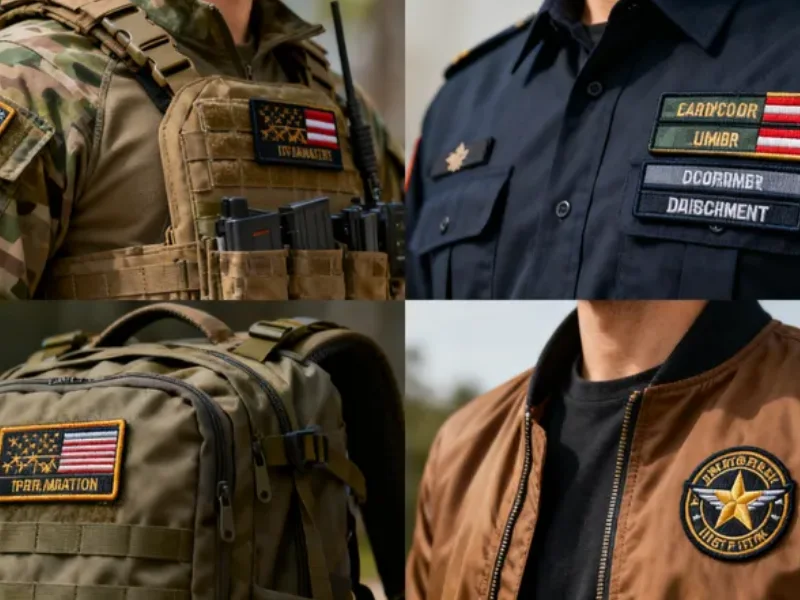
1. Tactical and Military Gear
Used on uniforms, backpacks, and equipment for identification or rank display.
Easily removable before washing or replacement.
2. Corporate and Event Uniforms
Ideal for changing team roles, departments, or temporary event branding.
3. Outdoor and Sports Equipment
Perfect for cycling jerseys, outdoor jackets, and gear bags.
Allows personal customization for athletes or teams.
4. Fashion and Streetwear
Adds modular, high-tech appeal to jackets, hats, and denim pieces.
5. Collectible or Promotional Series
Brands create limited-edition removable patches for customers to collect or swap.
Border and Edge Options for Hook and Loop Patches
| Border Type | Features | Recommended Use |
|---|---|---|
| Merrowed border | Rounded, dense stitched edge | Regular shapes (circle, rectangle) |
| Heat-cut border | Thin, sealed edge | Irregular or detailed shapes |
| Laser-cut edge | Precision-cut, slightly rigid | Fine detail or synthetic patches |
Tip: Avoid heat-cut or laser edges for light-colored patches (may slightly darken edges).
Choosing the Right Patch Type for Hook and Loop Backing
| Patch Type | Texture | Look | Ideal For |
|---|---|---|---|
| Embroidered | Textured and raised | Classic, premium | Tactical, fashion, uniforms |
| Woven | Flat and detailed | Clean, modern | Logos with small text |
| PVC / Rubber | 3D and waterproof | Durable, sporty | Outdoor or technical gear |
| Printed | Smooth, full-color | Low cost | Event or temporary patches |
Hook and Loop Quality Grades
| Type | Grip Strength | Flexibility | Use Case |
|---|---|---|---|
| Standard hook & loop | Medium | High | Apparel and uniforms |
| Short hook & loop | Strong | Moderate | Tactical gear, workwear |
| Soft hook & loop | Light | High | Fashion and lightweight garments |
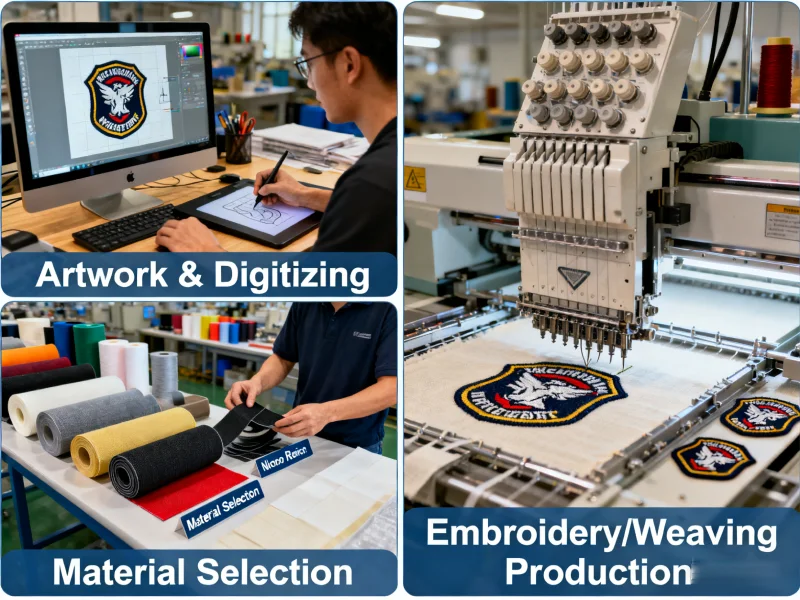
Production and Manufacturing Process
- Artwork & Digitizing: Convert design to embroidery file.
- Material Selection: Choose thread, base fabric, and border.
- Embroidery or Woven Production: Create patch surface.
- Hook Application: Attach hook side securely using adhesive or stitching.
- Quality Inspection: Check stitching density, border finish, and alignment.
- Packaging: Delivered flat or in sets with matching loop panels.
Advantages for Brands and B2B Buyers
- Reusable: Reduces long-term branding costs.
- Versatile: Works on clothing, bags, and caps.
- Professional look: Clean, structured branding presentation.
- Quick turnaround: Ideal for frequently changing branding needs.
- Low MOQ customization: Easy to produce small-batch runs for test markets or limited editions.
Application Tips
- Always sew or bond the loop side to garments for best stability.
- Clean lint and dust from both sides to maintain adhesion.
- Store patches flat to avoid warping.
- When designing, ensure no loose threads interfere with hook grip.
Design Ideas for Brands
- Interchangeable brand logos for multi-line apparel.
- Team identifiers for uniforms (staff, crew, or event volunteers).
- Fashion-forward accents on bomber jackets or cargo pants.
- Collectible sets — create a series of themed patches for loyal customers.
- Dual-brand collaborations — attach or swap partner logos on the same garment.
Final Thoughts
The hook and loop backing patch represents a perfect balance between functionality and design freedom.
It’s not just a practical fastener—it’s a modern branding tool that supports versatility, sustainability, and rapid customization.
For brands, manufacturers, and designers, using hook and loop backing patches means offering products that can evolve — from one campaign, collection, or season to the next — with ease, efficiency, and style.
About Author
——————————————————————————————————————————————

Apollo
Senior E-commerce Manager
Apollo is an experienced e-commerce manager specializing in patches, apparel accessories, and digital marketing, helping global textile brands grow with proven online strategies.
——————————————————————————————————————————————