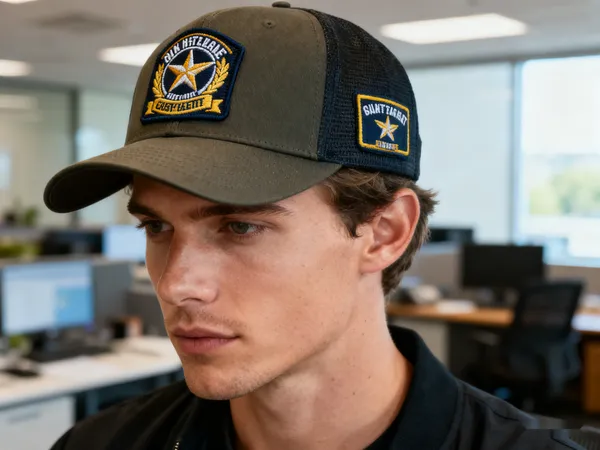
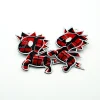
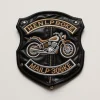
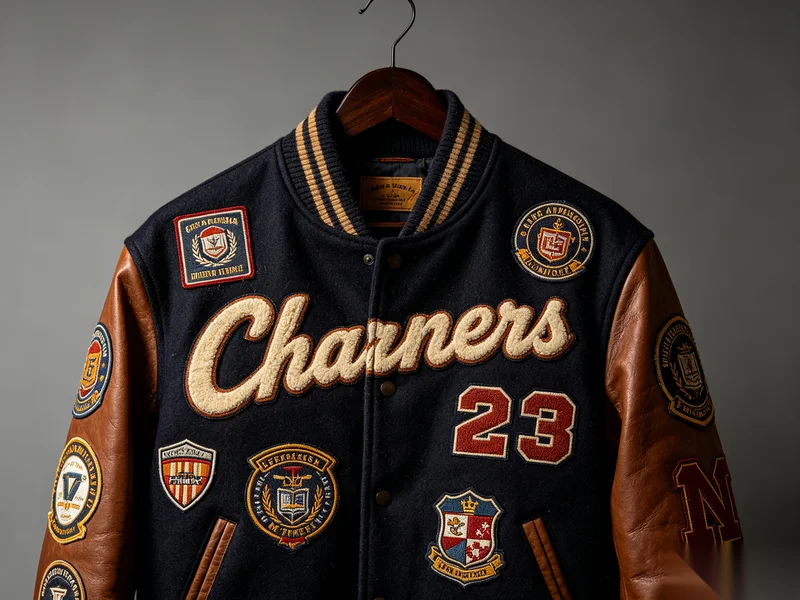
Quick Answer: Patches for hats are custom-designed emblems—often embroidered, woven, or PVC—that display logos or artwork. They can be heat-pressed, sewn, or attached with Velcro for branding or personalization. Businesses use custom hat patches to enhance brand visibility, uniform appearance, and product customization at scale.
What Are Patches for Hats?
Patches for hats are decorative or branded fabric emblems applied to caps, beanies, or visors. They typically showcase logos, slogans, or symbols that reflect a company’s identity or message. QingHan specializes in producing custom embroidered patches designed for B2B use — ideal for apparel brands, promotional agencies, and corporate uniform suppliers seeking high-quality, durable, and professional hat branding solutions.
Why Use Custom Hat Patches for Branding?
Custom hat patches are one of the most cost-effective and versatile ways to brand headwear. For businesses, they offer significant advantages:
Professional Branding: Adds a clean, high-end logo placement.
Flexibility: Patches can be changed or updated without remanufacturing entire hats.
Bulk Efficiency: Perfect for large-scale uniform or promotional production.
Durability: Embroidered or PVC patches withstand sun, sweat, and frequent washing.
Example: A brewery or sports team can easily brand staff hats with embroidered patches featuring their logo or mascot — maintaining consistency across every unit.
Types of Patches for Hats
Choosing the right type of patch affects both appearance and longevity. Here are the most common types:
Patch Type
Description
Best For
Embroidered Patches
Classic thread stitching with textured finish.
Traditional, corporate, and premium brands.
Woven Patches
Smooth surface with fine detail.
Complex logos or small text.
PVC Rubber Patches
Soft, flexible, and waterproof.
Outdoor, sports, and tactical use.
Leather Patches
Natural texture with a luxury aesthetic.
Lifestyle or fashion brands.
Chenille Patches
Fuzzy, 3D texture.
Streetwear or collegiate designs.
Pro Tip: Embroidered patches remain the most popular for hats because of their tactile, professional appearance.
How to Attach Patches to Hats
There are several reliable ways to apply patches to hats, depending on material and scale of production.
1. Iron-On Application
Best for cotton or polyester hats with heat-tolerant fabrics.
Steps:
Preheat the hat with an iron (medium-high, no steam).
Place the patch on the desired area.
Cover with a thin cloth and press firmly for 15–20 seconds.
Allow to cool before wearing.
For curved brims or structured caps, a heat press machine provides more consistent pressure.
2. Sewing Method
The most secure and professional technique, especially for curved surfaces or thick materials.
Recommended for:
Workwear or outdoor caps
Leather or structured hats
Long-term durability
Businesses often combine heat adhesive + stitching to reinforce edges for long-lasting wear.
3. Velcro or Hook-and-Loop Backing
Velcro-backed patches are ideal for interchangeable branding — allowing the same hat to display different patches as needed (e.g., tactical caps or event merchandise).
Benefits:
Easy to replace or customize
No permanent alteration to the hat
Perfect for marketing or limited-edition series
4. Adhesive or Snap-On Patches
For temporary branding, self-adhesive or snap-on patches work well during short-term promotions or events, though they’re not suitable for heavy use.
How to Choose the Right Patch Placement for Hats
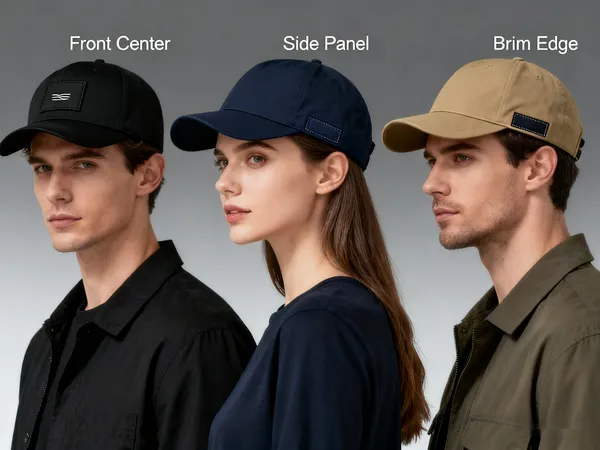
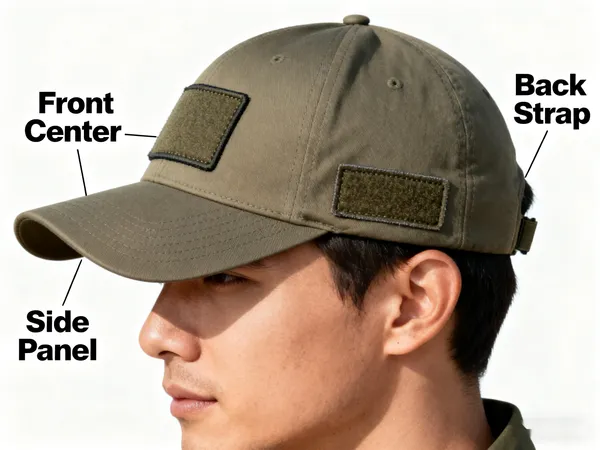
Strategic placement makes your logo or design stand out. Here are the most popular options:
Placement
Description
Visual Impact
Front Center
Traditional placement for brand logos
✅ Maximum visibility
Side Panel
Subtle, secondary branding
⭐ Modern style
Back Strap
Company slogan or small logo
👌 Minimalist detail
Brim Edge
Decorative stitching or symbols
🎯 Stylish customization
Can Any Hat Material Use Patches?
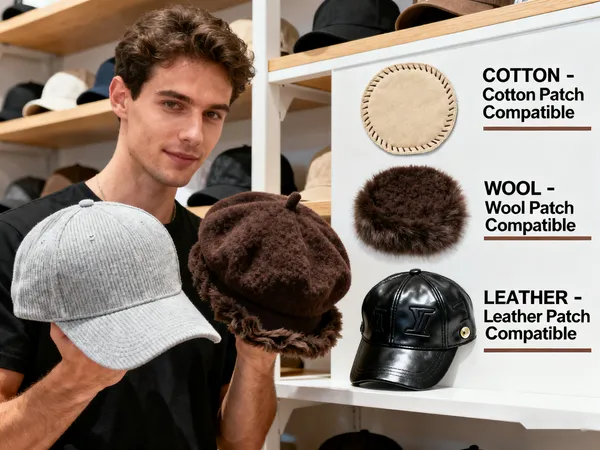
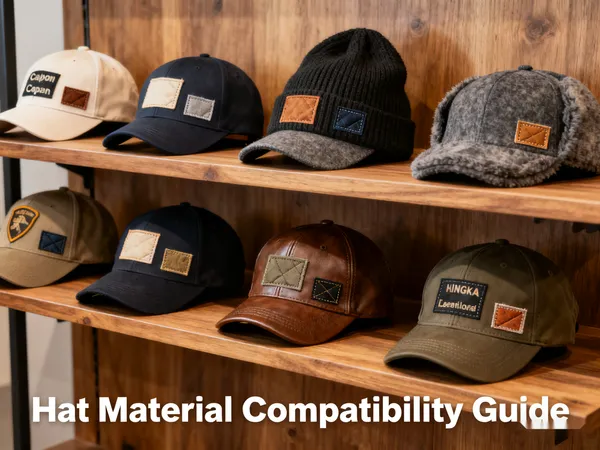
Most hat materials work with patches, but heat or sewing compatibility varies:
Hat Material
Suitable Methods
Cotton / Canvas
Iron-on, Sew-on
Polyester / Twill
Iron-on, Sew-on
Wool / Felt
Sew-on only
Leather / Faux Leather
Adhesive, Sew-on
Nylon / Mesh
Velcro, Sew-on
Always test adhesive temperature or thread tension before mass application.
Benefits of Using Custom Hat Patches for B2B Clients
For companies and manufacturers, using custom patches provides significant operational and marketing benefits:
Scalable Branding: Easily customize thousands of hats for teams or partners.
Low Production Costs: Cheaper than embroidery directly onto the hat.
High Flexibility: Swap patches for different campaigns or divisions.
Durable Quality: Resistant to sun exposure, sweat, and daily wear.
Premium Brand Appeal: Embroidered or leather patches elevate visual quality.
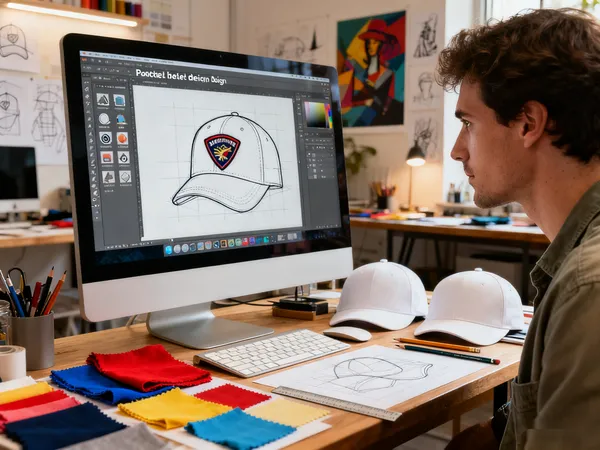
How to Design an Effective Hat Patch
When creating a patch design for hats, focus on simplicity and contrast for visibility.
Limit color palette (2–4 colors work best).
Use bold fonts for small spaces.
Outline the logo for better definition.
Choose size wisely:
Front patch: 2.5–3.5 inches wide
Side patch: 1.5–2 inches
QingHan’s design team assists B2B partners with digitization, mockups, and production-ready layout optimization for flawless results.
How QingHan Helps Businesses with Hat Patch Production
QingHan is a professional manufacturer and designer of custom embroidered patches for global B2B clients. We provide:
Bulk production with consistent thread quality
Multiple backing options: iron-on, Velcro, adhesive, or sew-on
Material variety: embroidered, woven, PVC, or leather
Strict quality inspection for durability and color consistency
Our patches are trusted by fashion brands, outdoor gear suppliers, and promotional merchandise producers for their quality, precision, and reliability.
Common Mistakes to Avoid When Applying Hat Patches
Applying too much heat on curved surfaces, causing warping
Not allowing cooling time before wearing or packaging
Final Thoughts
Understanding how to choose and apply patches for hats can dramatically improve your product’s appearance and brand impact. Whether you’re outfitting employees, creating promotional giveaways, or producing retail headwear, custom hat patches provide a flexible, cost-effective, and visually powerful solution.
For B2B clients seeking premium-quality embroidered or PVC patches, QingHan delivers custom design, precision manufacturing, and global fulfillment — ensuring every patch represents your brand with excellence.
About Author
——————————————————————————————————————————————
Apollo
Senior E-commerce Manager
Apollo is an experienced e-commerce manager specializing in patches, apparel accessories, and digital marketing, helping global textile brands grow with proven online strategies.