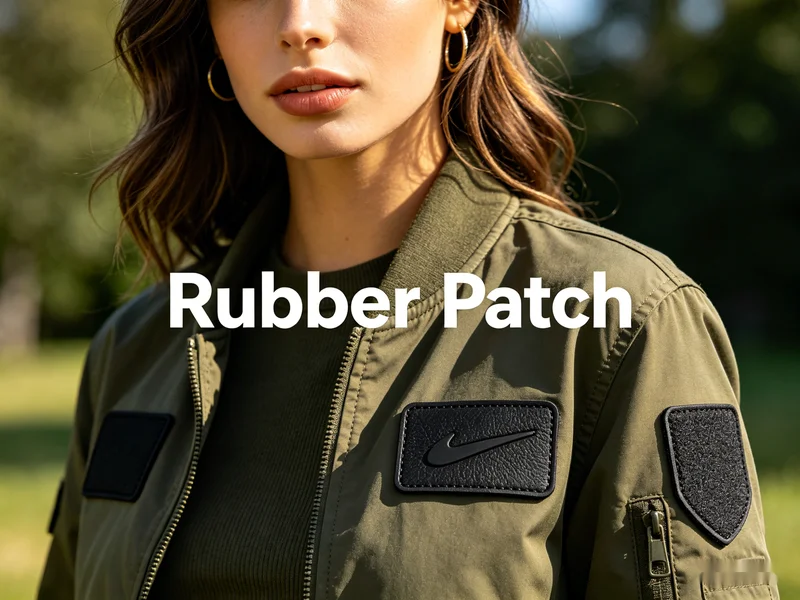
Rubber patches are durable, flexible patches made from PVC or silicone materials, designed for branding, identification, and decoration. Known for their waterproof and weather-resistant properties, they are widely used in outdoor gear, uniforms, and promotional products where long-lasting performance is essential.
What Are Rubber Patches?
Rubber patches are a modern alternative to traditional fabric patches, made from materials such as PVC or silicone. Unlike embroidered or woven patches, these are molded rather than stitched, resulting in a smooth or three-dimensional surface.
Rubber patches are highly valued for their flexibility and durability. They can bend without cracking and maintain their shape even under stress. This makes them ideal for products exposed to harsh environments.
For B2B buyers, custom rubber patches provide a reliable solution for industries that require both branding and performance.

How Are Rubber Patches Made?
The manufacturing process of PVC rubber patches involves precision molding techniques.
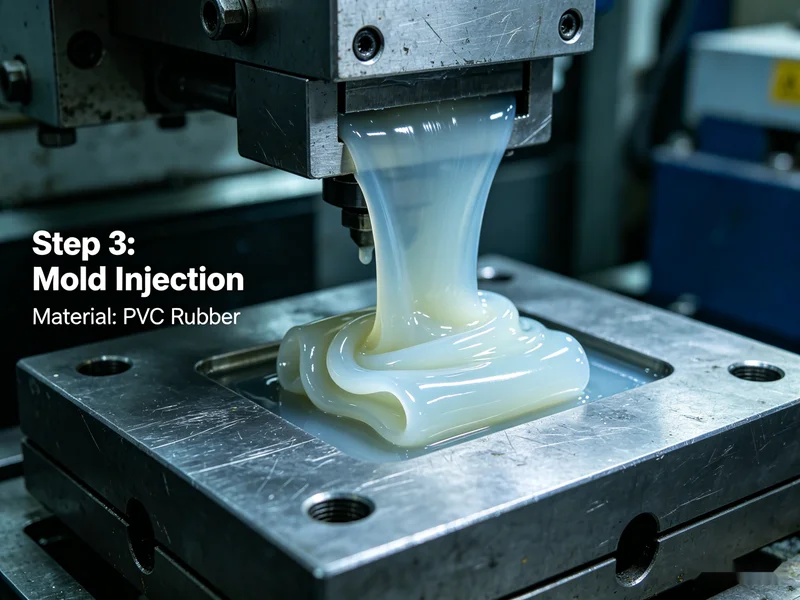
First, the design is converted into a mold, which defines the shape, layers, and details of the patch. Liquid PVC or silicone material is then injected into the mold.
The material is heated and cured to solidify the design while maintaining flexibility. Multiple layers can be added to create a three-dimensional effect.
After molding, the patches are removed, trimmed, and finished. Backing options such as Velcro, sew-on, or adhesive are applied based on usage requirements.
This process ensures consistency and scalability for bulk production.
Why Choose Rubber Patches for Your Business?
Rubber patches offer several advantages that make them a preferred choice across industries.
One of the most important benefits is durability. These patches are resistant to water, UV rays, chemicals, and extreme temperatures.
They also provide strong visual impact. The molded design allows for layered effects, giving logos a bold and modern appearance.
Flexibility is another key advantage. Silicone rubber patches can adapt to different surfaces without losing shape or quality.
In addition, they are easy to clean and maintain, making them suitable for long-term use.
For businesses, custom rubber patches combine functionality with strong branding potential.
What Types of Rubber Patches Are Available?
There are several types of rubber patches available depending on material and application.
PVC Rubber Patches
These are the most common type, offering durability, water resistance, and cost efficiency.
Silicone Rubber Patches
More flexible and softer than PVC, often used in performance apparel.
2D and 3D Patches
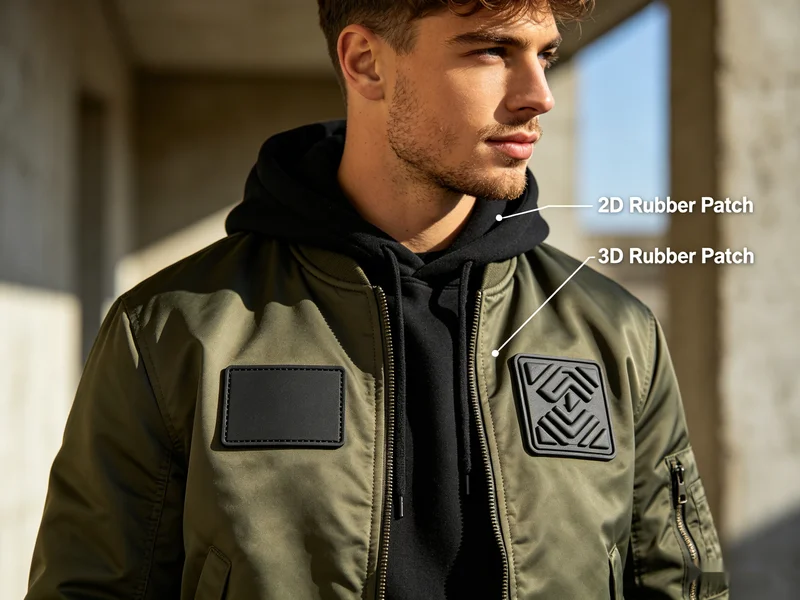
2D patches have flat layers, while 3D patches feature raised elements for added depth and texture.
Velcro-Backed Patches
Allow easy attachment and removal, commonly used in tactical and outdoor gear.
Each type of rubber patches can be customized to meet specific business requirements.
When Should You Use Rubber Patches?
Rubber patches are best suited for applications where durability and environmental resistance are critical.
They are widely used in outdoor gear such as backpacks, jackets, and camping equipment. Their waterproof nature makes them ideal for these products.
In uniforms and workwear, they provide a long-lasting branding solution that can withstand repeated washing.
They are also popular in sportswear and performance apparel due to their flexibility and comfort.
For tactical gear, PVC rubber patches are often preferred because of their rugged performance.
Rubber Patches vs Embroidery and Woven Patches
Rubber patches differ significantly from traditional patch types.
They offer superior resistance to water and environmental factors compared to embroidery and woven patches. While embroidered patches provide a classic textured look, rubber patches deliver a modern and bold appearance.
Woven patches are better suited for fine detail, but they may not perform as well in harsh conditions.
For businesses focused on durability and functionality, silicone rubber patches are often the best choice.
How to Design Effective Rubber Patches?
Designing rubber patches requires a focus on clarity and structure.
Bold shapes and clean lines work best, as they translate well into molded designs. Layering can be used to create depth and enhance visual impact.
Color selection is important, as rubber patches can support multiple colors with strong contrast.
The size and thickness should match the intended application, ensuring both functionality and aesthetics.
Working with experienced manufacturers helps optimize designs for production.
What Should B2B Buyers Consider Before Ordering?
Before ordering custom rubber patches, businesses should evaluate several key factors.
Material selection is important, as PVC and silicone offer different levels of flexibility and durability.
Attachment method should be chosen based on application, with Velcro for flexibility and sewing for permanence.
Order quantity affects pricing, with bulk orders offering better cost efficiency.
Lead time should be planned carefully, especially for product launches or promotions.
Quality control is essential to ensure consistent results across all units.
FAQ
What are rubber patches made of?
They are typically made from PVC or silicone materials designed for flexibility and durability.
Are rubber patches waterproof?
Yes, they are fully waterproof and resistant to moisture and environmental conditions.
Can rubber patches be used on clothing?
Yes, they are commonly used on uniforms, sportswear, and outdoor apparel.
What is the difference between PVC and silicone patches?
PVC is more rigid and cost-effective, while silicone is softer and more flexible.
How are rubber patches attached?
They can be sewn on, attached with Velcro, or applied with adhesive backing.
How long do rubber patches last?
High-quality rubber patches can last for years without fading or cracking.
Rubber patches offer a durable, modern, and highly customizable solution for businesses seeking long-lasting branding. Their resistance to environmental factors and strong visual appeal make them an ideal choice for industries that demand both performance and design flexibility.
About Author
——————————————————————————————————————————————

Apollo
Senior E-commerce Manager
Apollo is an experienced e-commerce manager specializing in patches, apparel accessories, and digital marketing, helping global textile brands grow with proven online strategies.
——————————————————————————————————————————————