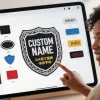
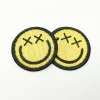
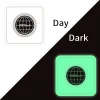
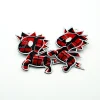
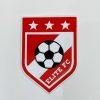
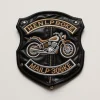
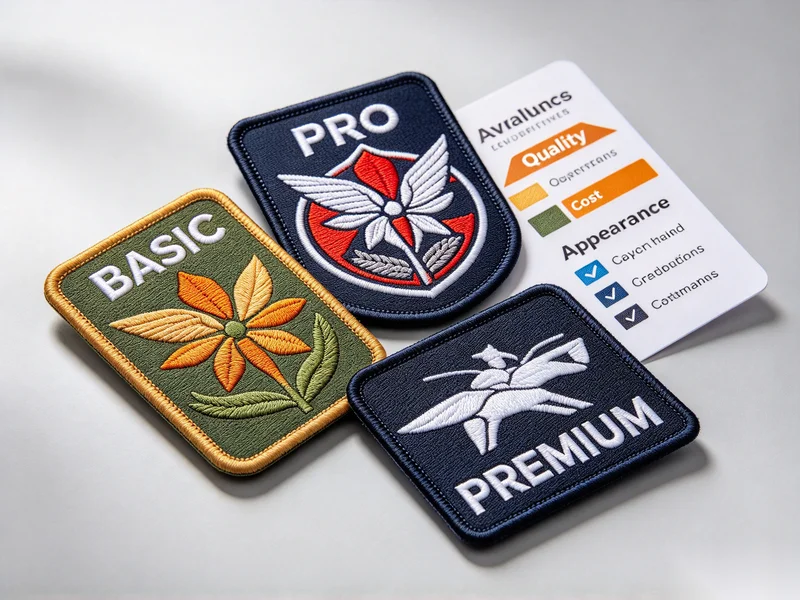
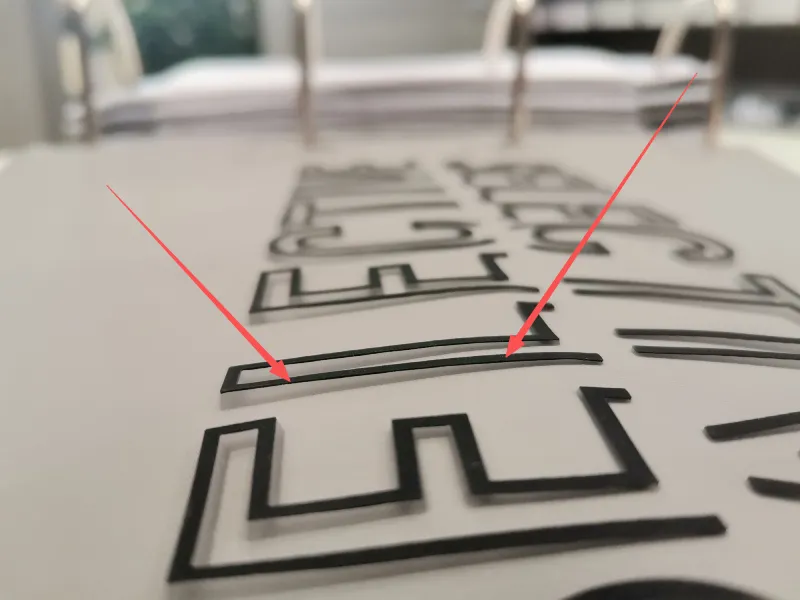
PVC badges are flexible, waterproof, and durable patches made from soft rubber material, designed with raised 3D effects for logos and branding. Custom PVC patches are widely used by apparel brands, sports teams, and outdoor companies for long-lasting, high-visibility identification.
What Are PVC Badges?
PVC badges (also known as rubber badges or soft PVC patches) are custom-made branding elements created using polyvinyl chloride material. Unlike embroidered or woven patches, PVC badges offer a smooth, flexible surface and can achieve strong three-dimensional (3D) visual effects.
These badges are molded rather than stitched, which allows for:
- Clean and precise edges
- Vibrant color layering
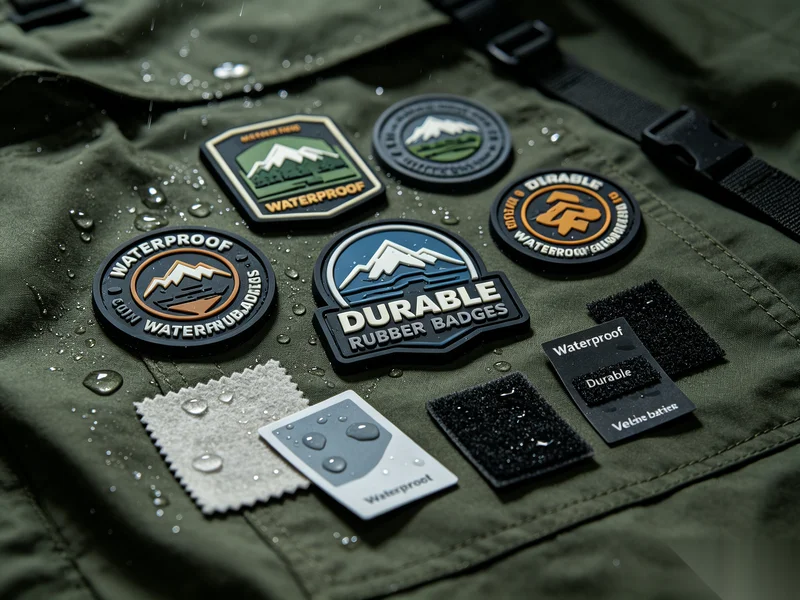
- Waterproof performance
- Long-term durability
PVC badges are commonly used for:
- Hats and caps
- Jackets and outerwear
- Backpacks and gear
- Military and tactical uniforms
- Sports and outdoor products
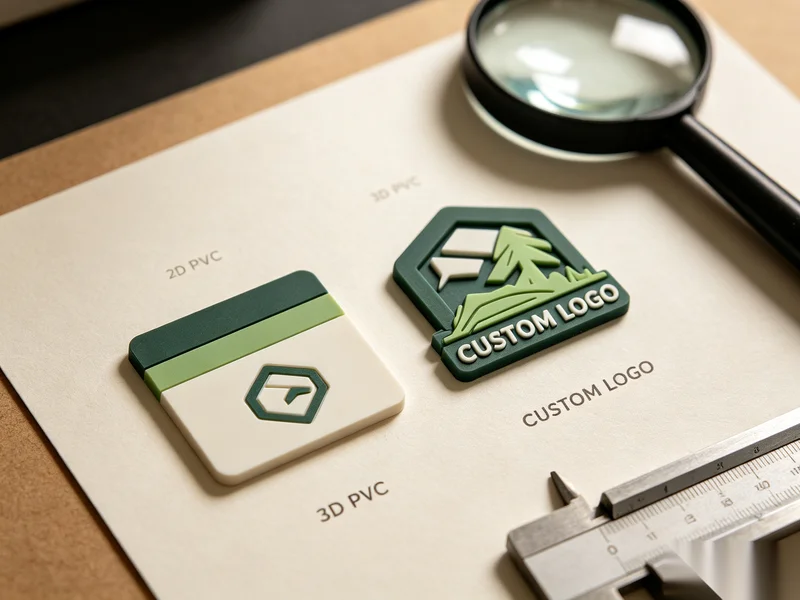
Quick overview: Why businesses choose PVC badges
| Feature | Benefit for B2B Buyers |
|---|---|
| Waterproof material | Suitable for outdoor use |
| 3D raised effect | Enhances logo visibility |
| Flexible structure | Comfortable on garments |
| High durability | Long product lifespan |
| Custom molding | Unique brand identity |
For brands that need durable and modern-looking patches, working with a professional rubber badges manufacturer is essential.
Can PVC badges replace traditional embroidered patches?
Yes, in many applications. While embroidered patches offer a classic textile look, PVC badges provide superior durability and weather resistance.
Brands choose PVC badges because they:
- Maintain shape and color in harsh environments
- Resist water, dirt, and UV exposure
- Offer bold, modern aesthetics
- Support complex 3D logo designs
This makes them especially popular in:
- Outdoor and adventure brands
- Tactical and military gear
- Sports equipment
- Streetwear collections
What is the production process of PVC badges?
PVC badge production involves molding liquid PVC material into a custom-designed shape.
Design Preparation and Mold Creation
The process starts with artwork provided by the customer:
- Logo files (AI, SVG, EPS preferred)
- Size specifications
- Color references (Pantone recommended)
- Desired thickness and layering
The manufacturer then creates a mold based on the design.
Because PVC badges are molded, design adjustments may include:
- Simplifying fine details
- Defining layer heights
- Adjusting color separations
Material Injection and Color Layering
Liquid PVC is injected into the mold layer by layer.
This process allows:
- Multiple color combinations
- Raised and recessed areas
- Strong 3D effects
Each layer is heated and cured to ensure durability.
Finishing and Cutting
After molding, badges are:
- Trimmed to shape
- Cleaned and polished
- Checked for edge quality
Optional features include:
- Velcro backing
- Adhesive backing
- Sew-on borders
Quality Inspection
Professional manufacturers inspect:
- Logo accuracy
- Color consistency
- Thickness and flexibility
- Surface quality
This ensures the final product meets B2B standards.
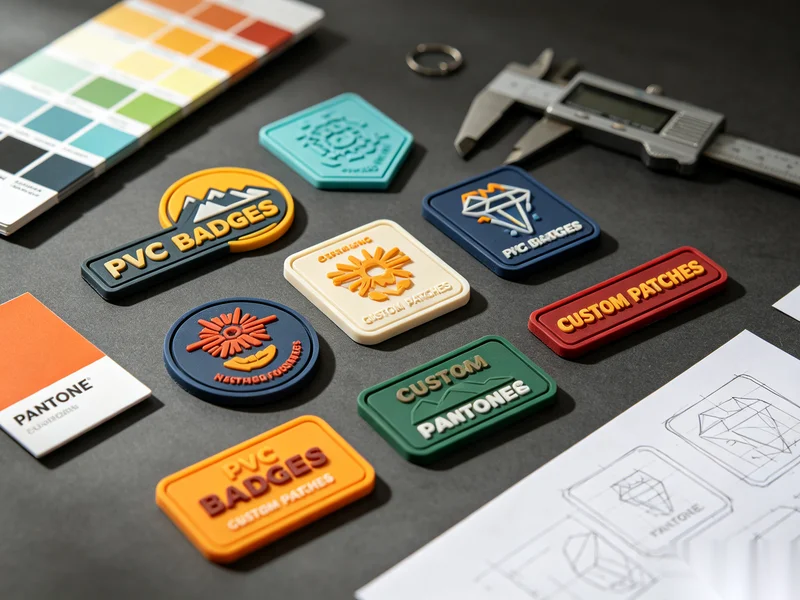
Which PVC badge styles are suitable for different industries?
PVC badges can be customized in multiple styles depending on usage.
2D PVC Badges
Features:
- Flat surface with layered colors
- Clean and simple design
Best for:
- Corporate branding
- Minimalist logos
- Budget-conscious projects
3D PVC Badges
Features:
- Raised logo elements
- Textured surfaces
- Depth and dimension
Best for:
- Outdoor brands
- Tactical gear
- Sports teams
Velcro PVC Badges
Features:
- Hook-and-loop backing
- Removable design
Best for:
- Military uniforms
- Tactical apparel
- Customizable gear
Sew-On PVC Badges
Features:
- Strong attachment
- Permanent application
Best for:
- Jackets
- Workwear
- Long-term uniforms
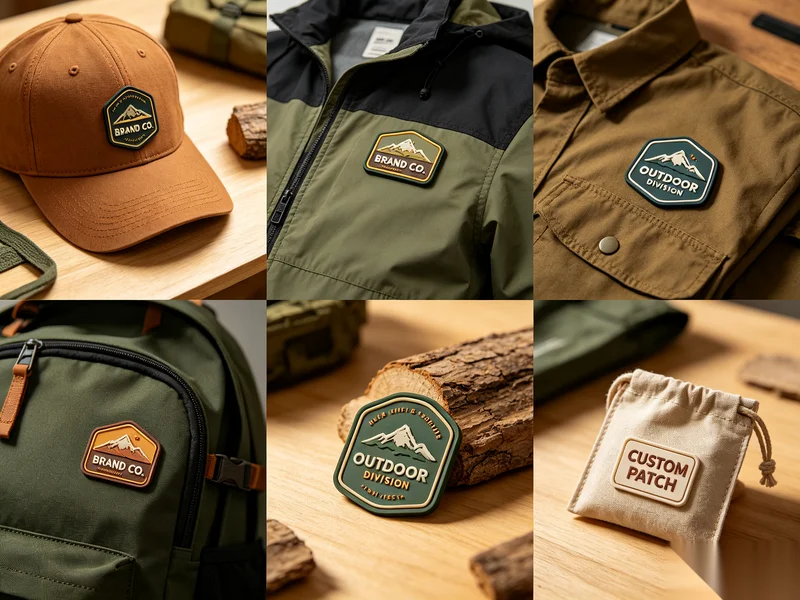
Why are PVC badges valuable for branding and product development?
PVC badges provide flexibility across multiple industries.
Apparel and Fashion Brands
Used on:
- Jackets
- Hoodies
- Caps
- Streetwear
They create a modern and premium product identity.
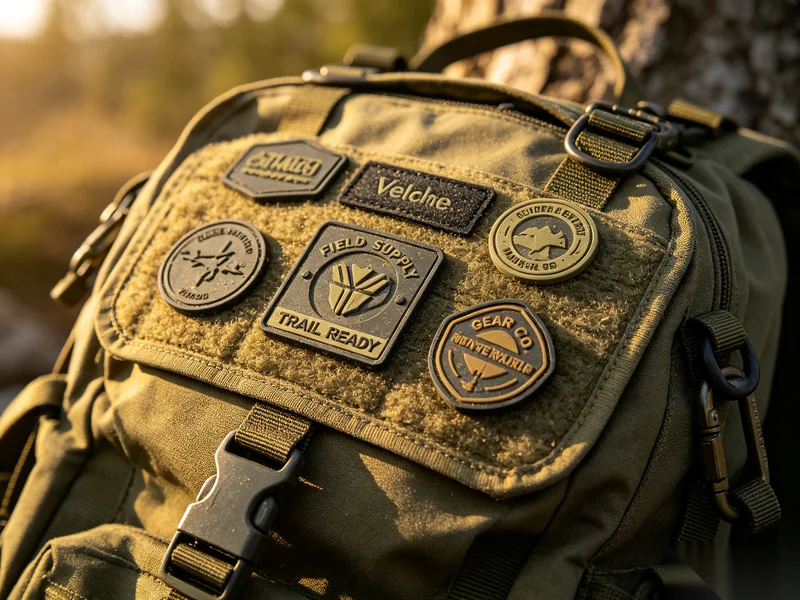
Outdoor and Tactical Gear
Ideal for:
- Backpacks
- Hiking gear
- Military uniforms
- Tactical vests
PVC badges perform well in extreme environments.
Sports Teams and Clubs
Used for:
- Team logos
- Event merchandise
- Training apparel
They provide durability and visibility.
Corporate and Promotional Products
Applied to:
- Work uniforms
- Branded accessories
- Promotional giveaways
They help maintain consistent branding.
What factors should B2B buyers consider?
Choosing the right supplier ensures quality and consistency.
Evaluate Design Capability
A professional manufacturer should:
- Convert logos into 3D designs
- Recommend layer structures
- Optimize color separation
Check Material Quality
High-quality PVC should be:
- Flexible but strong
- Non-toxic
- Resistant to fading
Review Sample Production
Before bulk orders, businesses should confirm:
- Design accuracy
- Texture and thickness
- Color matching
Consider Production Capacity
For wholesale buyers, suppliers should offer:
- Bulk manufacturing
- Stable quality
- On-time delivery
Can PVC Badges Be Customized for Different Branding Needs?
Yes. PVC badges are highly customizable and suitable for many branding strategies.
Customization options include:
- Shape (custom outline, logo cut)
- Thickness (layered 3D effect)
- Colors (Pantone matching)
- Backing (Velcro, adhesive, sew-on)
- Surface finish (matte, glossy, textured)
This flexibility makes them ideal for both large brands and emerging companies.
How Can Businesses Design Better PVC Badges?
Keep the Logo Clear
Avoid overly complex details that may reduce clarity in molding.
Use Strong Color Contrast
High contrast improves visibility and brand recognition.
Plan for 3D Layers
Design should consider:
- Raised areas
- Depth levels
- Texture effects
Choose the Right Size
Badge size should match:
- Product placement
- Logo complexity
- User visibility
Frequently Asked Questions About PVC Badges
What are PVC badges made of?
PVC badges are made from soft polyvinyl chloride material, which is flexible, waterproof, and durable.
Are PVC badges better than embroidered patches?
PVC badges are more durable and waterproof, while embroidered patches offer a traditional textile look.
Can PVC badges be used outdoors?
Yes. They are ideal for outdoor applications due to their weather resistance.
What is the difference between 2D and 3D PVC badges?
2D badges have flat layers, while 3D badges feature raised surfaces for added depth.
Can businesses order custom PVC badges in bulk?
Yes. Manufacturers provide wholesale production for brands, teams, and organizations.
What backing options are available for PVC badges?
Common options include Velcro, adhesive, and sew-on backing.
Conclusion: Why Choose PVC Badges for Custom Branding?
PVC badges offer a durable, flexible, and visually impactful solution for modern branding. With strong resistance to environmental conditions and the ability to create detailed 3D designs, they are widely used across apparel, outdoor gear, and promotional industries.
For businesses looking to enhance product value and brand recognition, working with an experienced rubber badges manufacturer ensures high-quality customization and reliable production.
PVC badges are more than decorative elements—they are powerful tools for building strong, long-lasting brand identity.
About Author
——————————————————————————————————————————————

Apollo
Senior E-commerce Manager
Apollo is an experienced e-commerce manager specializing in patches, apparel accessories, and digital marketing, helping global textile brands grow with proven online strategies.
——————————————————————————————————————————————