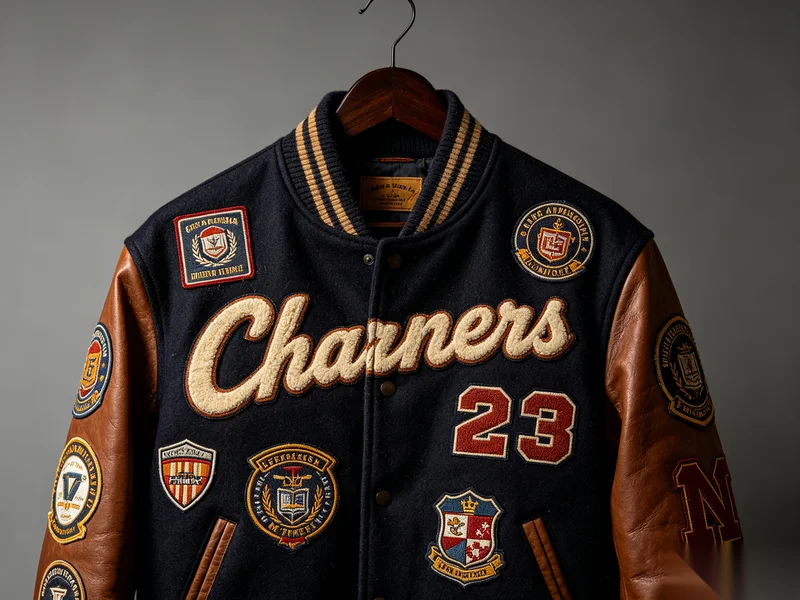
Print labels are customized tags or stickers that display product details, brand identity, or care instructions, widely used in clothing, textiles, and consumer goods. They help businesses improve brand recognition, meet compliance requirements, and provide customers with clear product information.
What Is a Print Label?
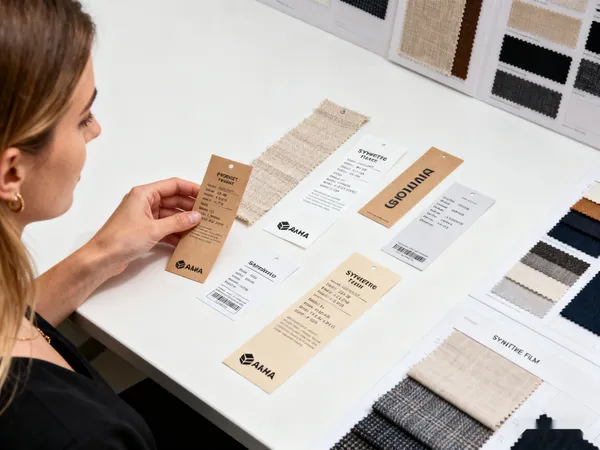
A print label is a piece of material—such as paper, fabric, or synthetic film—designed to convey information about a product. In the apparel and textile industries, labels can carry brand logos, washing instructions, fabric content, or size guides. For consumer goods, they often include barcodes, batch numbers, and expiration dates.
In short:
- Definition: A printed identifier attached to products.
- Purpose: Communicates essential product and branding details.
- Materials: Fabric, woven tape, paper, or synthetic film.
How Do Print Labels Benefit Clothing and Textile Brands?
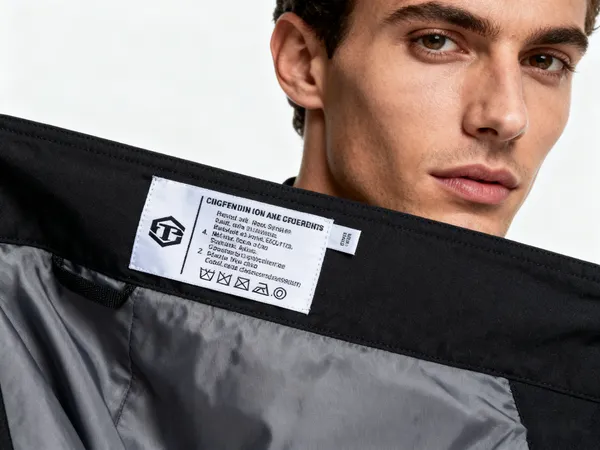
For B2B buyers, print labels are more than accessories—they are vital tools for market positioning and compliance. Here are three key benefits:
- Brand Visibility
Custom clothing labels reinforce a company’s identity. A well-designed logo on a fabric label reminds customers of the brand every time they see or touch the garment. - Regulatory Compliance
Many countries require care instructions, fiber content, or country of origin on clothing products. Print labels ensure businesses stay compliant with international trade laws. - Customer Trust and Loyalty
When product labels are clear and durable, customers feel confident about how to care for the product, which leads to longer use and repeat purchases.
What Types of Print Labels Are Common in the Textile Industry?
Here is a quick overview in table format for better clarity:
| Type of Label | Typical Use Case | Material Options | Advantages |
|---|---|---|---|
| Fabric Labels | Apparel, uniforms, accessories | Cotton, satin, polyester | Durable, soft, premium feel |
| Product Labels | Shoes, bags, packaging, retail items | Paper, synthetic film, adhesive | Flexible design, barcode/QR friendly |
| Custom Clothing Labels | High-end fashion, sportswear, children’s wear | Woven tape, printed ribbon, satin | Enhances branding, compliance ready |
How to Choose the Right Print Labels for Your Business?
When selecting labels, B2B decision-makers should evaluate several factors:
- Material Durability
– Fabric labels withstand washing and friction, making them suitable for clothing.
– Paper or synthetic film labels work best for packaging or one-time use. - Printing Technology
– Screen printing offers bold colors.
– Thermal transfer allows barcode readability.
– Digital printing provides flexibility for small batch orders. - Design and Branding Needs
– Choose clear typography for legibility.
– Align brand color palettes with labels for consistency.
– Add QR codes for digital engagement.

Why Are Fabric Labels Preferred for Apparel?
Fabric labels are favored in apparel because they:
- Resist washing and maintain readability.
- Feel soft on the skin, enhancing customer comfort.
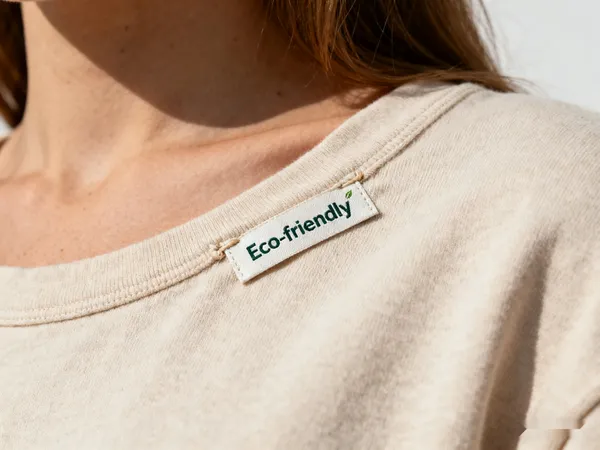
- Support eco-friendly options, like organic cotton or recycled polyester.
These labels are not only functional but also communicate a brand’s commitment to sustainability, a growing demand in today’s global market.
Can Print Labels Be Customized for Bulk Orders?
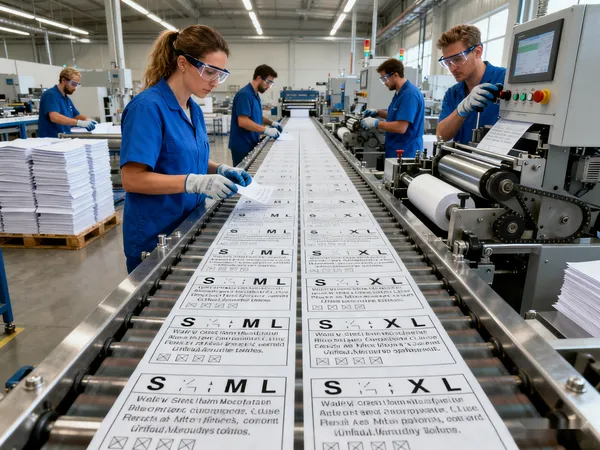
Yes. Manufacturers often provide custom clothing labels in bulk with options for:
- Size variations (S, M, L, XL).
- Multilingual care instructions for global exports.
- Special finishes like matte, glossy, or embossed effects.
Bulk customization ensures cost efficiency while giving brands flexibility to meet diverse market requirements.
How Do Print Labels Support Supply Chain Management?
In addition to branding, labels help businesses track inventory and logistics:
- Barcodes and QR codes make warehouse scanning faster.
- Batch numbers support product recalls if necessary.
- Serialized labels enhance anti-counterfeiting measures.
For large-scale B2B buyers, such as fashion retailers or garment factories, these functions reduce risk and increase efficiency.
What Are the Future Trends in Print Labels?
- Smart Labels – Integration of NFC chips or RFID for digital tracking.
- Sustainable Materials – Growth in recycled polyester and biodegradable substrates.
- Personalized Short Runs – Brands testing new designs quickly with digital printing.
These trends show that print labels are evolving from simple tags into multifunctional brand and supply chain tools.
FAQ About Print Labels
Q1: Can print labels be eco-friendly?
Yes. Many suppliers now offer organic cotton, recycled polyester, and water-based inks for sustainable production.
Q2: How long do fabric labels last?
High-quality fabric labels can withstand more than 50 washing cycles without fading.
Q3: Are print labels only for clothing?
No. They are also widely used for footwear, accessories, packaging, and consumer goods.
Q4: What is the minimum order quantity for B2B custom labels?
Most suppliers set MOQs based on material type, typically ranging from 500 to 5,000 pieces.
Conclusion
Print labels are essential tools for businesses in textiles, apparel, and consumer goods. Whether you need custom clothing labels, fabric labels, or product labels, the right choice ensures compliance, strengthens branding, and improves customer trust. With advancements in sustainable materials and smart technologies, labels will continue to play a central role in global supply chains.
About Author
——————————————————————————————————————————————

Apollo
Senior E-commerce Manager
Apollo is an experienced e-commerce manager specializing in patches, apparel accessories, and digital marketing, helping global textile brands grow with proven online strategies.
——————————————————————————————————————————————