Patches on a shirt are decorative or functional elements applied to shirts for branding, style, or personalization. Designers use them to enhance visual appeal, create unique identities, and add value to garments while maintaining flexibility in production and customization for different markets.
What Are Patches on a Shirt?
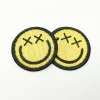
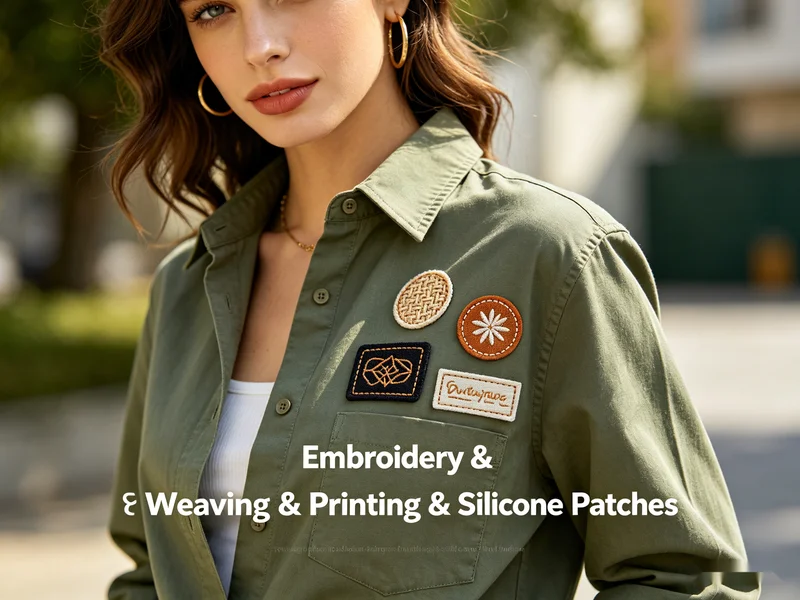
Patches on a shirt refer to any type of patch—embroidered, woven, printed, or silicone—applied to a shirt’s surface. These patches can serve both aesthetic and functional purposes, ranging from branding logos to decorative graphics.
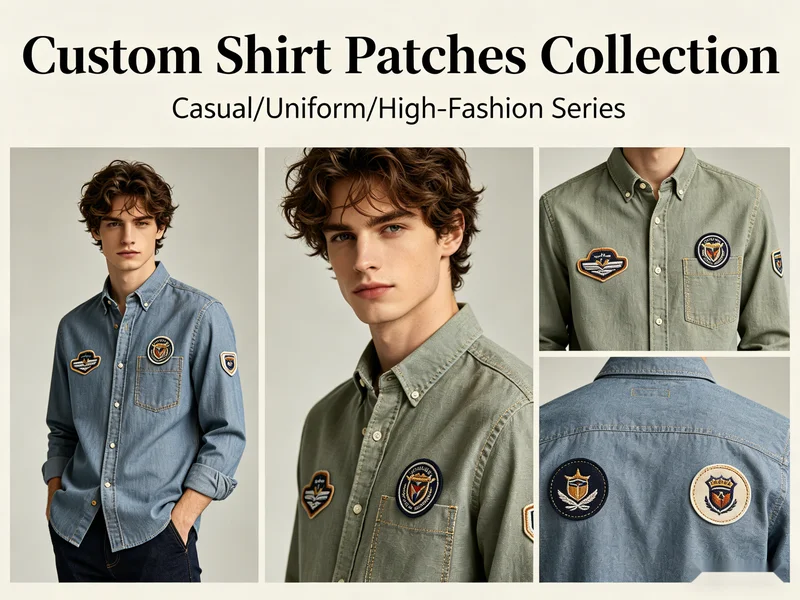
In modern apparel design, custom shirt patches are widely used in casual wear, uniforms, and fashion collections. They allow designers to transform basic shirts into distinctive products without changing the core garment structure.
For B2B applications, patches provide a scalable way to customize shirts across large production runs.
Why Use Patches on Shirts in Design?
Using patches on a shirt offers several advantages for designers and brands.
First, patches enhance visual layering. Instead of flat printing, patches introduce texture and depth, making designs more dynamic.
Second, they provide flexibility. Designers can easily update or replace patches without redesigning the entire shirt.
Third, patches improve perceived value. Consumers often associate patches with craftsmanship and durability, especially when using embroidered patches for shirts.
Finally, they support brand storytelling. Patches can represent logos, symbols, or themes that connect with target audiences.
Creative Patch Placement Ideas for Shirts
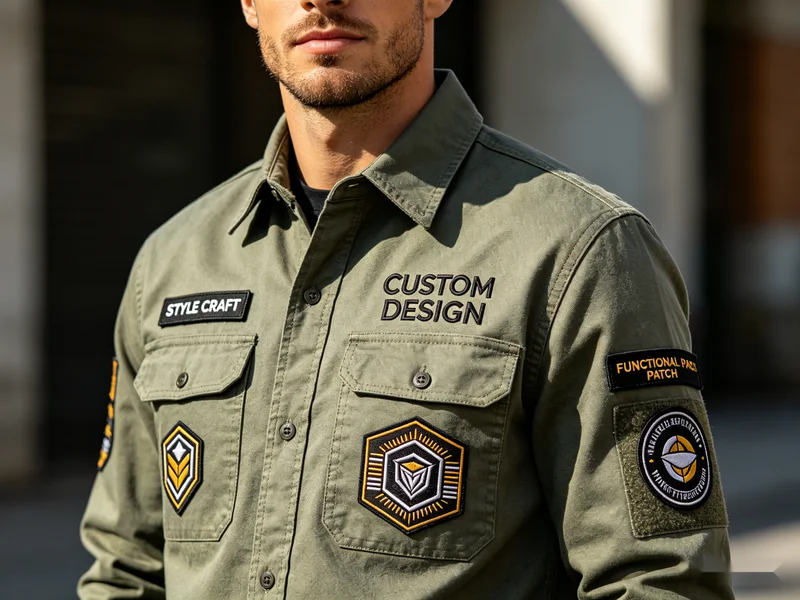
Chest Logo Patches (Classic Branding)
Chest placement is the most common and practical option. It is ideal for branding and uniforms.
Design Insight:
Keep the patch small and clean to maintain a professional look.
Sleeve Patches (Subtle Identity)
Sleeve patches add detail without overwhelming the main design.
Design Insight:
Use simple icons or small text for readability.
Back Statement Patches (Bold Style)
Large patches on the back create strong visual impact, especially in streetwear.
Design Insight:
Focus on bold graphics or storytelling elements.
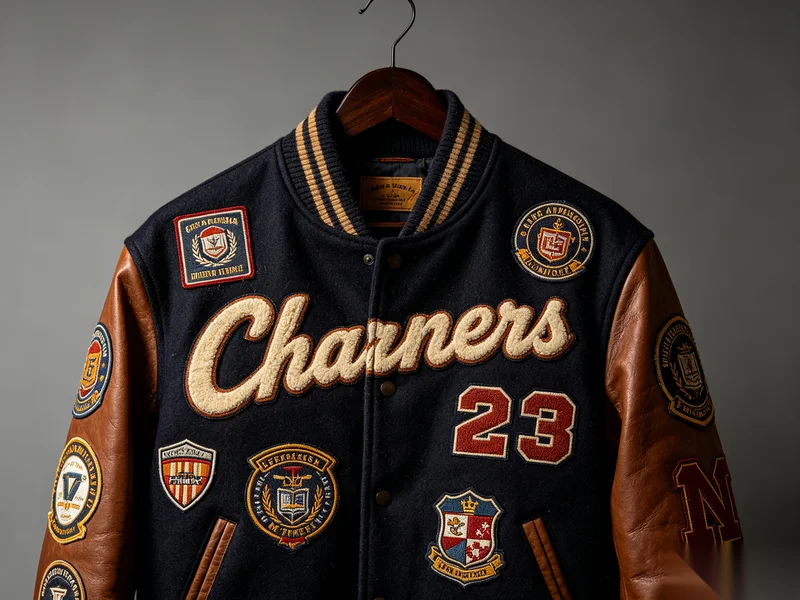
Multi-Patch Layout (Creative & Layered)
Using multiple patches creates a collage effect, ideal for expressive designs.
Design Insight:
Maintain balance—avoid overcrowding the shirt.
Pocket & Edge Patches (Detail Enhancement)
Small patches near pockets, hems, or collars add refined details.
Design Insight:
Perfect for premium or minimalist brands.

What Types of Patches Work Best on Shirts?
Choosing the right patch type is essential for successful shirt patch design ideas.
- Embroidered patches: Durable and textured, ideal for logos and branding
- Woven patches: Better for fine details and small text
- Printed patches: Suitable for complex graphics and gradients
- Silicone patches: Modern, bold, and suitable for sportswear
For most applications, embroidered patches for shirts remain the preferred option due to their balance of durability and visual appeal.
Key Design Considerations for Patches on Shirts
Designing patches on a shirt requires careful planning to ensure both aesthetics and functionality.
1. Size and Proportion
The patch should match the shirt’s scale. Oversized patches can overwhelm smaller garments, while very small patches may lose visibility.
2. Fabric Compatibility
Shirts made from lightweight fabrics require softer, flexible patches to avoid stiffness.
3. Color Coordination
Patch colors should complement or contrast effectively with the shirt fabric.
4. Placement Balance
Ensure patches are aligned and visually balanced across the garment.
5. Brand Consistency
Maintain consistent logo usage, fonts, and color schemes across all designs.
Application Methods: Which One Should You Choose?
Different attachment methods affect durability and production efficiency.
- Sew-on: Most durable, ideal for uniforms and long-term use
- Iron-on (heat press): Faster and suitable for bulk production
- Velcro: Allows interchangeable patches
For B2B production, selecting the right method ensures both efficiency and product performance.
Common Mistakes to Avoid in Shirt Patch Design
Designers should avoid several common issues when working with custom shirt patches.
- Overly complex designs that don’t translate well into embroidery
- Poor placement that disrupts garment balance
- Using incompatible materials that affect comfort
- Ignoring production limitations, leading to inconsistent results
Careful planning and collaboration with manufacturers help prevent these problems.
FAQ
What are patches on a shirt used for?
They are used for branding, decoration, and personalization in fashion, uniforms, and promotional apparel.
Where is the best place to put a patch on a shirt?
Common placements include the chest, sleeves, back, and near pockets, depending on design goals.
What type of patch is best for shirts?
Embroidered patches are the most popular due to their durability and premium appearance.
Can shirts have multiple patches?
Yes, multi-patch designs are popular in streetwear and creative fashion collections.
Are iron-on patches suitable for shirts?
Yes, they are efficient for bulk production, but sewing offers better long-term durability.
How long does production take for custom shirt patches?
Typically 1–3 weeks depending on design complexity and order quantity.
Patches on a shirt provide designers with a versatile and impactful way to enhance apparel. By combining thoughtful placement, suitable materials, and creative design concepts, businesses can create unique, high-value garments that stand out in competitive markets while remaining practical for large-scale production.
About Author
——————————————————————————————————————————————

Apollo
Senior E-commerce Manager
Apollo is an experienced e-commerce manager specializing in patches, apparel accessories, and digital marketing, helping global textile brands grow with proven online strategies.
——————————————————————————————————————————————