Patches and stitches refer to the combination of patch materials and embroidery stitching techniques used to create durable and visually appealing branding elements. Understanding how stitching interacts with patch design is essential for achieving high-quality results in custom patch production and large-scale manufacturing.
What Are Patches and Stitches?
Patches and stitches are two fundamental components of patch manufacturing. A patch is the base product—made from fabric, leather, or rubber—while stitches are the techniques used to create designs, textures, and structural integrity.
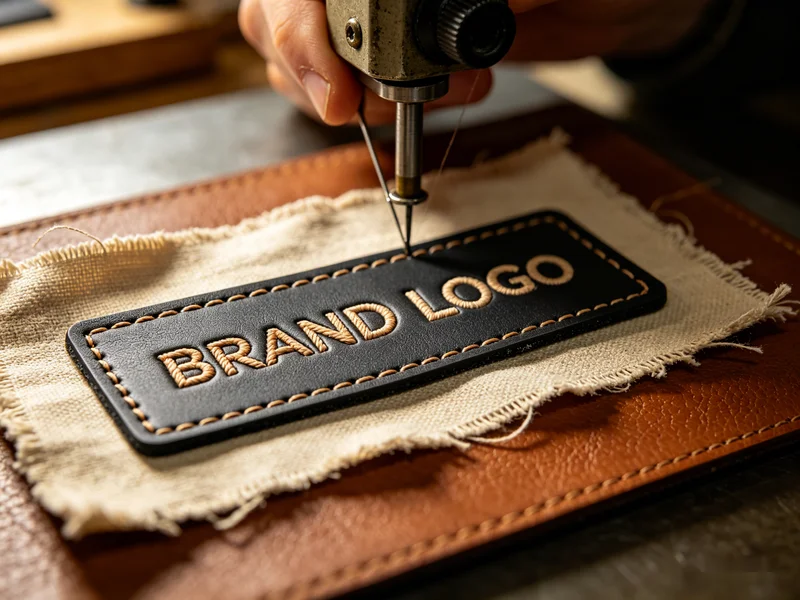
In embroidery-based patches, stitching is what forms logos, text, and decorative elements. The quality and type of stitching directly impact the final appearance, durability, and perceived value of the patch.
For B2B buyers, understanding this relationship helps in making better decisions when ordering custom patch stitching products.
Why Are Stitching Techniques Important in Patch Production?
Stitching is not just a technical step—it defines the overall quality of a patch.
Different embroidery stitching techniques affect how details are displayed, how durable the patch is, and how it feels to the touch. Poor stitching can lead to loose threads, unclear designs, or reduced lifespan.
High-quality stitching ensures that patches maintain their appearance even after repeated washing or heavy use. It also enhances texture, giving patches a premium and professional finish.
For manufacturers, mastering stitching techniques is essential for delivering consistent results in bulk production.
What Are the Main Types of Stitching Used in Patches?
Understanding common stitching types helps businesses choose the right approach for their designs.
Satin Stitch
This is the most commonly used stitch for borders and lettering. It creates a smooth, slightly raised surface that looks clean and professional.
Fill Stitch
Used to cover larger areas, fill stitching provides texture and depth. It is ideal for backgrounds and solid shapes.
Running Stitch
A simple stitch used for fine details or outlines. It is less dense but useful for adding definition.
Chenille Stitch
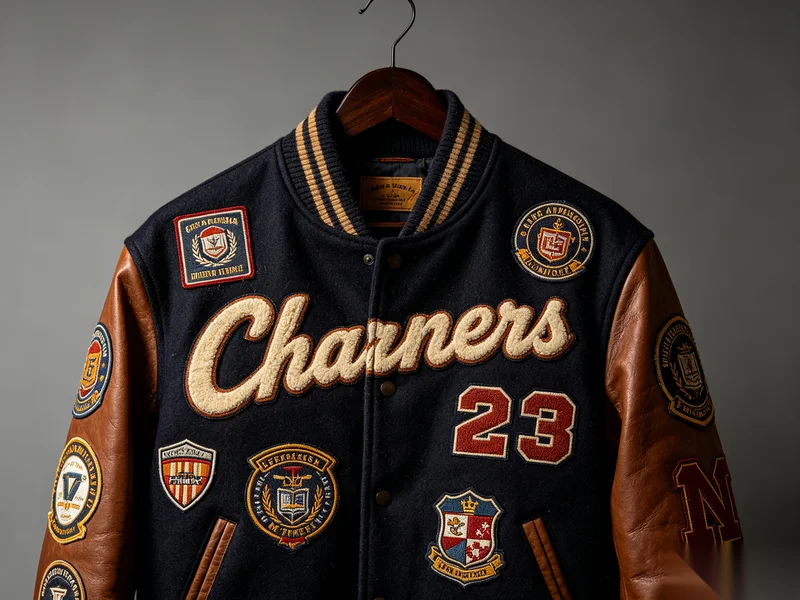
Creates a soft, fuzzy texture often used in varsity-style patches.
Each of these plays a role in patch manufacturing methods, depending on design requirements.
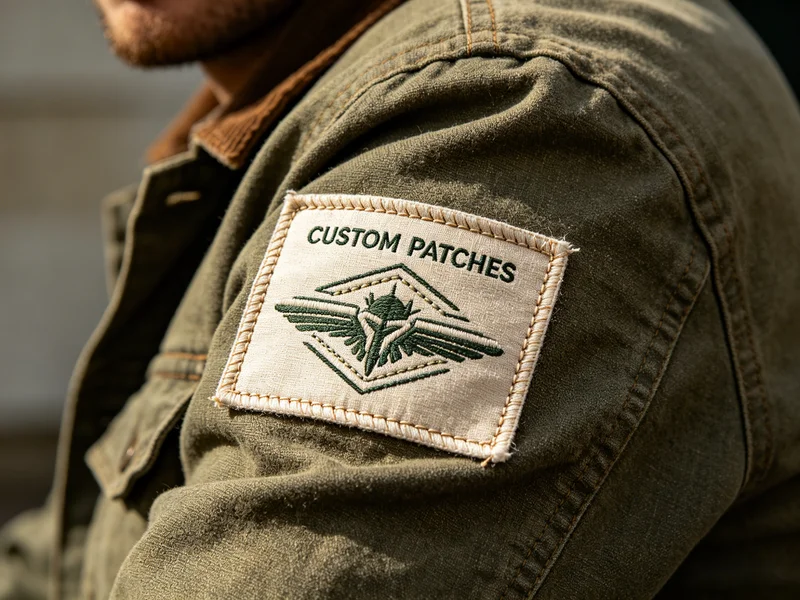
How Do Patches and Stitches Affect Design Quality?
The interaction between patch material and stitching determines the final outcome.
For example, dense stitching on a small patch can make the design stiff, while insufficient stitching can reduce clarity. Balancing stitch density is key to achieving both durability and flexibility.
Stitch direction also influences how light reflects off the patch, affecting its visual depth. Skilled manufacturers use this to enhance design details.
Choosing the right combination of materials and custom patch stitching techniques ensures optimal results.
What Types of Patches Use Different Stitching Methods?
Different patch types require different stitching approaches.
Embroidery patches rely heavily on stitching for both design and structure. Woven patches use interlaced threads instead of traditional stitching, allowing finer detail.
Chenille patches use looped yarn stitching to create a textured, soft surface. Hybrid patches may combine stitching with printing or other techniques for more complex designs.
Understanding these variations helps businesses select the most suitable patch manufacturing methods for their needs.
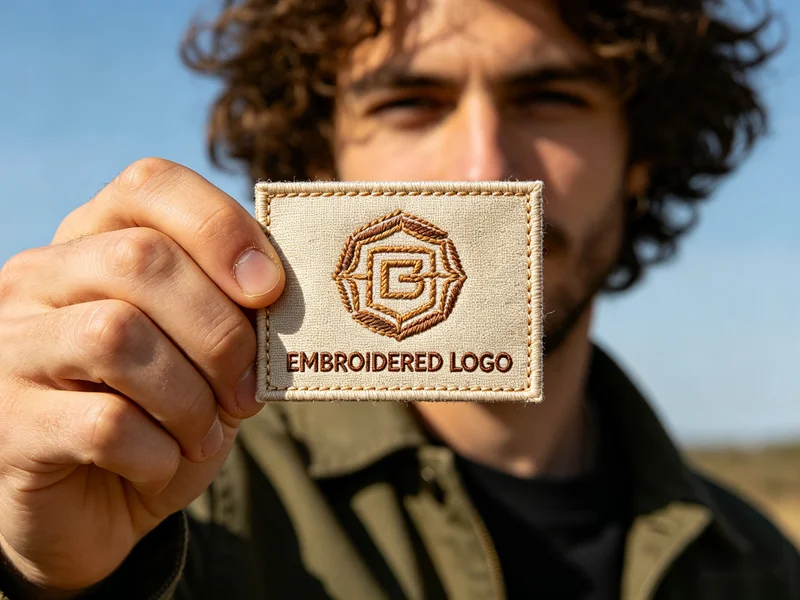
How to Choose the Right Stitching for Your Patch Design?
Selecting the appropriate stitching method depends on several factors.
Design complexity is a key consideration. Simple logos work well with satin and fill stitches, while intricate designs may require a combination of techniques.
Patch size also matters. Smaller patches need simplified stitching to maintain clarity, while larger patches allow for more detail.
Material choice influences stitching performance. Some fabrics support dense stitching better than others.
Working with experienced manufacturers ensures that the chosen embroidery stitching techniques align with the design and application.
How Do Stitches Impact Patch Durability?
Stitching plays a major role in how long a patch lasts.
High-density stitching increases durability but may reduce flexibility. Low-density stitching improves flexibility but may wear out faster.
Reinforced edges, such as merrow borders, help prevent fraying and extend the patch’s lifespan.
Proper stitching ensures that patches remain intact even under conditions such as frequent washing, friction, or outdoor exposure.
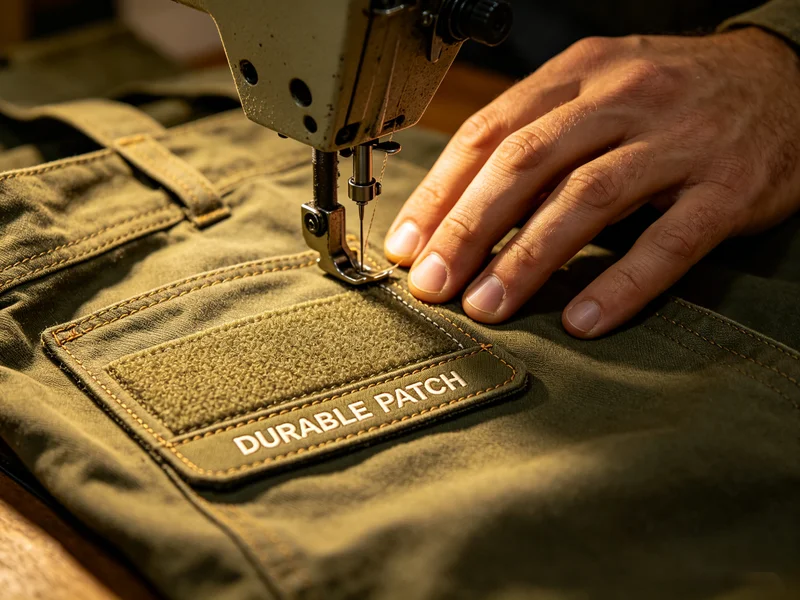
When Should Businesses Focus on Stitch Quality?
Businesses should prioritize stitching quality when producing patches for uniforms, workwear, or outdoor applications.
In these cases, durability is critical, and poor stitching can lead to product failure. High-quality stitching also enhances brand perception, especially in premium or retail products.
For large-scale orders, consistent stitching across all units is essential to maintain brand standards.
FAQ
What is the difference between patches and stitches?
Patches are the base products, while stitches are the techniques used to create designs and structure on them.
Which stitching technique is best for logos?
Satin stitch is commonly used for logos due to its clean and raised appearance.
Do stitching methods affect patch durability?
Yes, higher-quality stitching improves durability and longevity.
Can multiple stitching techniques be used in one patch?
Yes, combining different stitches can enhance detail and texture.
What is the most durable patch type?
Embroidery patches with high-quality stitching are among the most durable.
How can I ensure consistent stitching quality?
Work with experienced manufacturers and approve samples before bulk production.
Patches and stitches are inseparable elements in patch production, directly influencing quality, durability, and visual impact. For businesses, understanding how stitching techniques interact with patch design is essential for creating high-quality products that meet both functional and branding requirements.
About Author
——————————————————————————————————————————————

Apollo
Senior E-commerce Manager
Apollo is an experienced e-commerce manager specializing in patches, apparel accessories, and digital marketing, helping global textile brands grow with proven online strategies.
——————————————————————————————————————————————