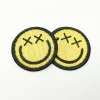
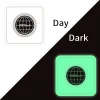
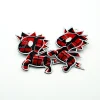
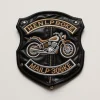
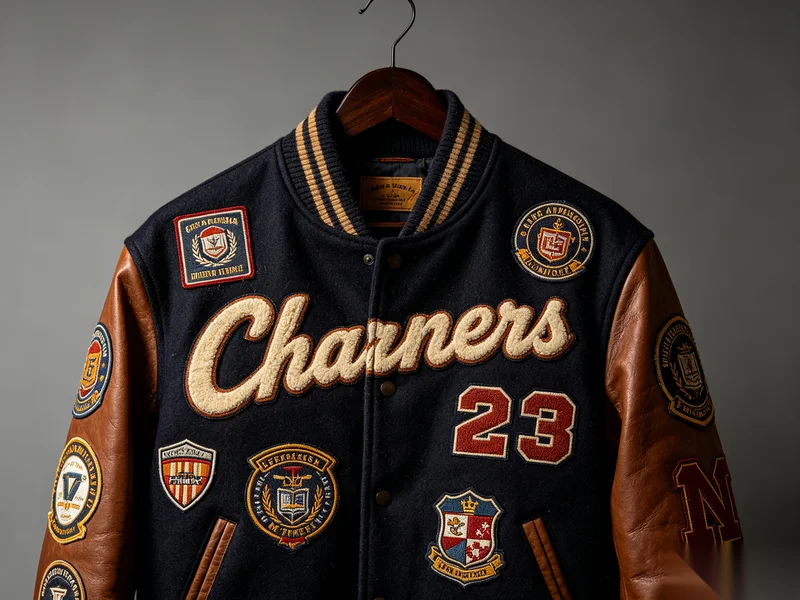
Heat seal labels for clothing are durable, professional-quality tags that bond to fabric using heat and pressure. They are ideal for branding, care instructions, and personalization. Compared to traditional sew-in tags, heat seal labels save time, improve comfort, and create a smooth finish.
✅ Quick Benefits of Heat Seal Labels for Clothing:
- Long-lasting and wash-resistant
- Comfortable with no itchy seams
- Professional, seamless look
- Easy and fast application
- Fully customizable for branding
What Are Heat Seal Labels for Clothing?
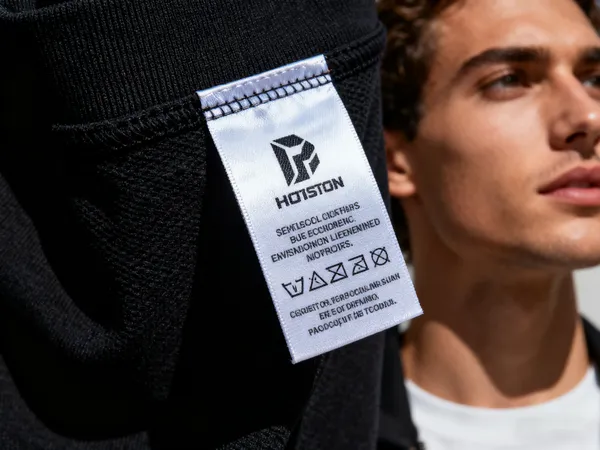
Heat seal labels for clothing are specially designed tags with a heat-activated adhesive backing. When applied with a heat press or household iron, they bond securely to the garment. Unlike sew-in or woven labels, these labels eliminate the need for stitching, providing a cleaner look and better user comfort.
They are commonly used to display:
- Brand logos to strengthen recognition.
- Washing and care instructions for consumer convenience.
- Size information to improve customer shopping experience.
- Personal names or codes for uniforms, schools, and sportswear.
Why Are Heat Seal Labels Better Than Traditional Sewn Labels?
Many clothing manufacturers now prefer heat seal labels because of their multiple advantages:
- Durability – Withstand repeated washing, drying, and daily wear.
- Comfort – No bulky stitches or sharp edges that irritate skin.
- Aesthetics – Seamless appearance enhances garment quality.
- Efficiency – Faster to apply compared to manual sewing.
- Flexibility – Work well on a wide range of fabrics including cotton, polyester, blends, and even stretchable materials.
For brands, the combination of speed + comfort + professional finish makes heat seal labels a practical choice.
How to Apply Heat Seal Labels for Clothing (Step-by-Step)
Correct application ensures your labels last longer. Here’s a recommended process:
- Prepare the Fabric: Ensure the garment is clean, dry, and wrinkle-free.
- Position the Label: Place the heat seal label on the exact spot where you want it.
- Apply Heat and Pressure:
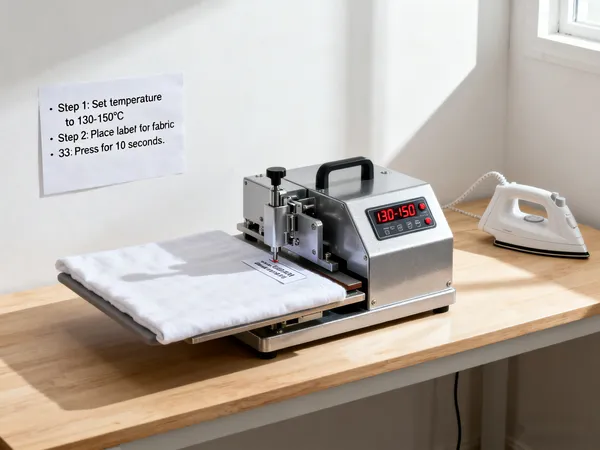
- With a heat press: Set recommended temperature (typically 130–150°C / 266–302°F), apply firm pressure for 10–15 seconds.
- With a household iron: Use a cotton setting without steam, press evenly for 15–20 seconds.
- Cool Down: Let the label cool for a few seconds to allow proper adhesion.
- Test: Gently rub edges to ensure it is firmly sealed.
👉 For professional production, a heat press is strongly recommended for consistency.
Can Heat Seal Labels Be Customized?
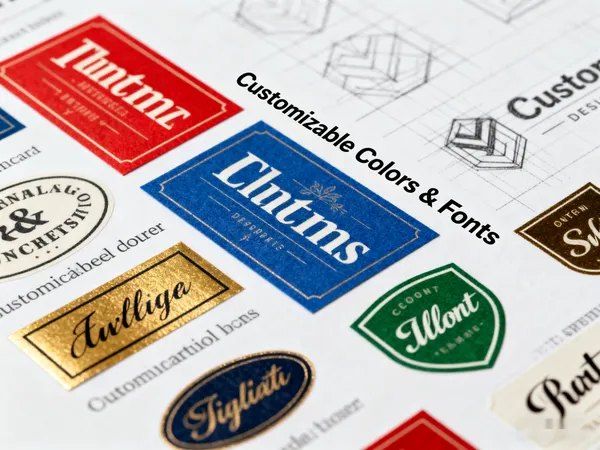
Yes. Custom clothing labels allow businesses to reflect their brand identity with endless design options:
- Colors & Fonts: Match your branding guidelines.
- Logos & Artwork: Promote strong visual recognition.
- Shapes & Sizes: From tiny care tags to bold logo patches.
- Special Materials: Satin, polyester, or eco-friendly recycled fabrics.
- Finishes: Matte, glossy, transparent, or textured for unique effects.
Custom clothing labels help garments stand out while ensuring wearers stay comfortable.
How Do Heat Seal Labels Compare to Iron On Labels?
The terms heat seal labels and iron on labels are often used interchangeably, but there are subtle differences:
- Heat Seal Labels:
- Typically used in commercial or industrial settings.
- Stronger adhesive, designed for long-term durability.
- Common in sportswear, work uniforms, and retail fashion.
- Iron On Labels:
- Designed for household or personal use.
- Easier for parents labeling kids’ clothes, school uniforms, or personal belongings.
- Convenient but sometimes less durable than industrial-grade heat seal labels.
Both options provide a reliable way to brand or personalize clothing, depending on the user’s needs.
Best Uses of Heat Seal Labels in Different Industries
- Fashion & Retail: Highlight brand identity with sleek, non-bulky labels.
- Sportswear: Durable enough to withstand sweat, washing, and movement.
- Workwear & Uniforms: Add names, codes, or logos for easy identification.
- Children’s Clothing: Ensure labels stay intact even after frequent washing.
- Healthcare & Hospitality: Ideal for scrubs, bed linens, and staff uniforms requiring frequent laundering.
By choosing the right type of heat seal or iron on label, companies improve both practicality and brand presence.

Tips for Maximizing Heat Seal Label Performance
- Use Correct Temperature & Pressure: Too low and labels peel; too high and fabrics may burn.
- Test Before Mass Production: Try on a sample garment first.
- Store Properly: Keep labels in a cool, dry place before use.
- Follow Washing Guidelines: Most heat seal labels handle machine washing, but gentle cycles extend life.
Frequently Asked Questions (FAQ)
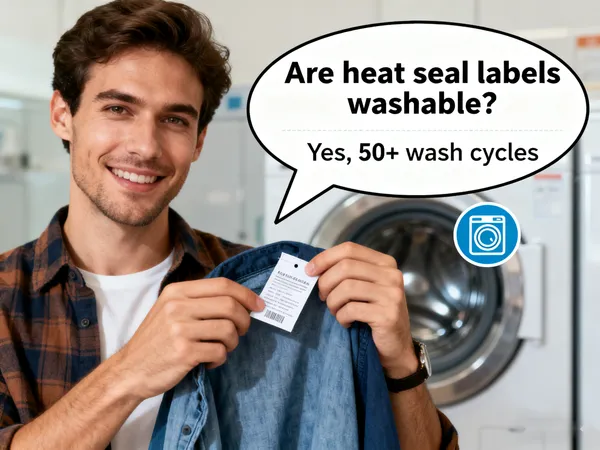
Q1: Are heat seal labels for clothing washable?
Yes. High-quality labels are built to withstand 50+ wash cycles without peeling or fading.
Q2: Can I apply them with a household iron?
Yes. While a heat press is ideal for consistency, a household iron can also apply iron on labels effectively.
Q3: Do they work on all fabrics?
Most fabrics are suitable, including cotton, polyester, and blends. Delicate fabrics may require lower temperatures.
Q4: Can heat seal labels be removed?
They are designed for permanence, but removal is possible with high heat or chemical solvents, which may damage fabric.
Q5: Are eco-friendly options available?
Yes. Many suppliers now offer sustainable custom clothing labels made from recycled polyester or organic cotton.
Conclusion
Heat seal labels for clothing are a professional, durable, and customizable solution for branding, care instructions, and personalization. Compared with sew-in tags, they save time, improve comfort, and provide a seamless finish. Whether you’re a fashion brand, sportswear company, or individual looking for iron on labels, these labels deliver long-lasting performance and style.
By choosing high-quality, custom clothing labels, businesses can strengthen their identity while ensuring customers enjoy comfort and convenience.
About Author
——————————————————————————————————————————————

Apollo
Senior E-commerce Manager
Apollo is an experienced e-commerce manager specializing in patches, apparel accessories, and digital marketing, helping global textile brands grow with proven online strategies.
——————————————————————————————————————————————