Clothes patches are fabric-based elements attached to garments for branding, decoration, or repair. They are widely used in fashion, uniforms, and promotional apparel, offering durability, customization, and strong visual impact, making them a key component in modern apparel production and brand identity.
What Are Clothes Patches?
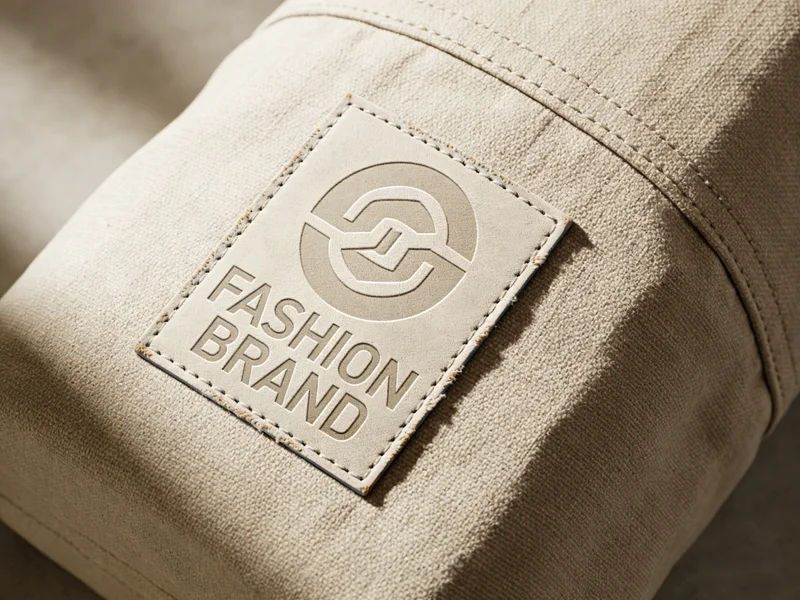
Clothes patches are pieces of fabric or material attached to garments to display logos, designs, or messages. They can be decorative, functional, or both.
These patches come in various forms, including embroidery, woven, printed, chenille, and PVC. Among them, embroidered patches for clothes are the most widely used due to their durability and premium texture.
For B2B buyers, custom clothing patches are an essential tool for branding, allowing consistent and scalable customization across product lines.
Why Are Clothes Patches So Popular in Apparel?
The popularity of clothes patches comes from their versatility and visual appeal.
They allow brands to easily add logos and designs without altering the base garment structure.
Patches also create texture and depth, making products more attractive compared to printed designs.
Additionally, they are durable and can withstand washing and wear, making them suitable for long-term use.
For businesses, patch manufacturing for apparel provides a flexible way to adapt designs across different collections.
What Types of Clothes Patches Are Available?
There are several types of custom clothing patches available for different applications.
Embroidered patches offer a classic and textured look, ideal for branding and uniforms.
Woven patches are suitable for detailed designs and small text.
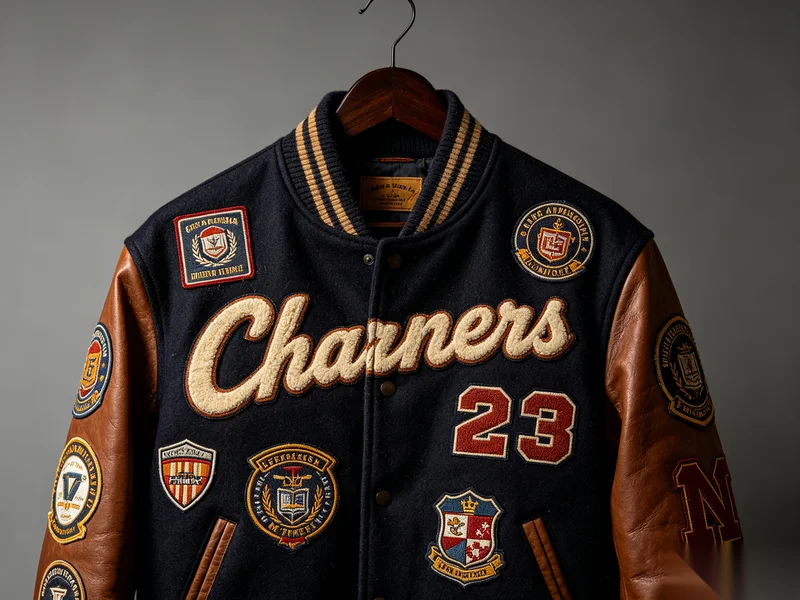
Chenille patches provide a soft, raised texture often used in varsity apparel.
Printed patches allow for complex graphics and gradients.
PVC or silicone patches offer a modern and durable option for outdoor and performance wear.
Each type serves different purposes depending on the product and target market.
How Are Clothes Patches Manufactured?
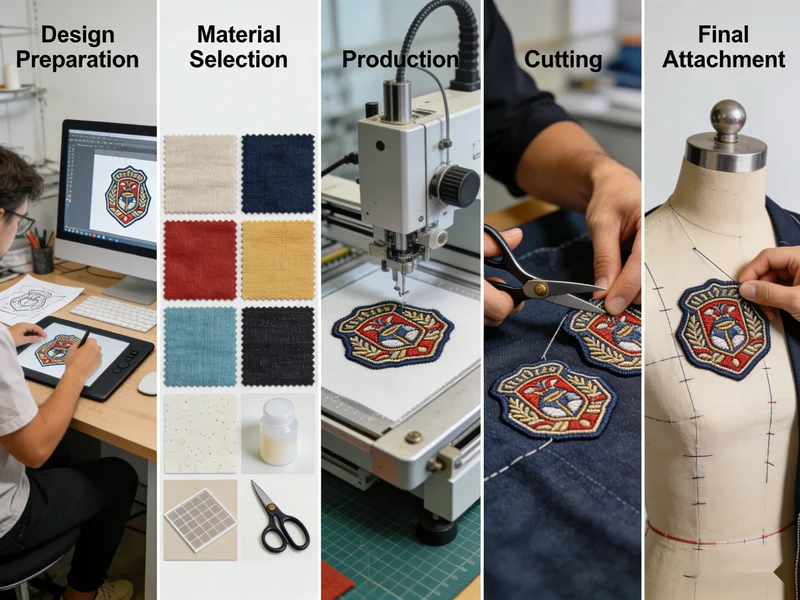
The process of patch manufacturing for apparel involves several steps.
First, the design is prepared and optimized for the chosen production method.
Next, materials are selected based on durability and appearance requirements.
The patch is then produced using embroidery, weaving, printing, or molding techniques.
After production, patches are cut into shape and finished with borders and backing options.
Finally, they are attached to garments through sewing, heat pressing, or adhesive methods.
Quality control ensures consistency across bulk production.
What Are the Main Uses of Clothes Patches?
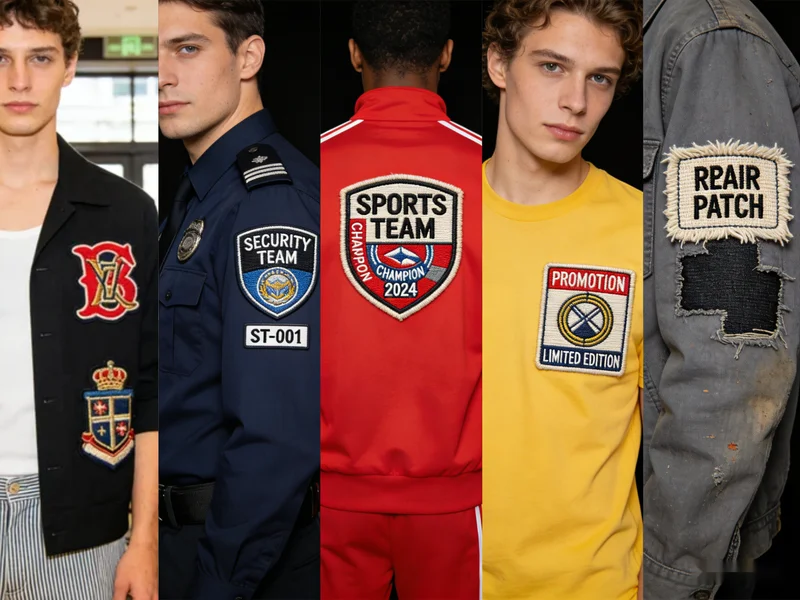
Clothes patches are used in a wide range of applications.
Fashion brands use them to enhance design and create unique styles.
Uniforms rely on patches for identification and branding.
Sports teams use patches to represent logos and achievements.
Promotional products often include patches for branding and marketing.
Repair patches are also used to cover damage and extend garment life.
For B2B buyers, this versatility makes patches a valuable addition to any apparel line.
What Should Businesses Consider Before Ordering Patches?
Before investing in custom clothing patches, businesses should evaluate several key factors.
Design complexity affects production cost and feasibility.
Material selection impacts durability and overall appearance.
Patch size and placement should align with garment design.
Order quantity influences pricing, with bulk orders offering better cost efficiency.
Working with experienced suppliers ensures reliable production and consistent quality.
How to Design Effective Clothes Patches?
Designing embroidered patches for clothes requires careful planning.
Use bold and clear designs that are easy to recognize.
Choose colors that contrast well with the garment.
Avoid overly fine details that may not translate well into stitching.
Consider the patch shape and placement to enhance the overall product design.
An optimized design ensures better results in both production and final appearance.
A Key Insight: Patches Transform Basic Apparel into Branded Products
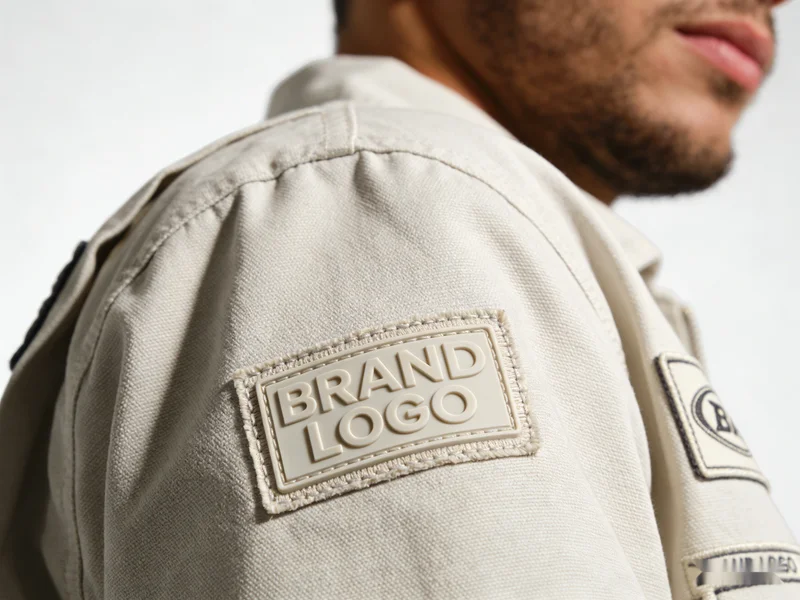
From a business perspective, clothes patches are more than decorative elements.
They allow companies to turn basic garments into branded products with higher perceived value.
This makes them a cost-effective way to differentiate products in competitive markets.
For brands, investing in high-quality patch manufacturing for apparel can significantly improve product appeal and customer recognition.
FAQ
What are clothes patches used for?
They are used for branding, decoration, repair, and identification on garments.
What is the most popular type of patch?
Embroidered patches are the most widely used due to their durability and appearance.
Can clothes patches be customized?
Yes, they can be fully customized in design, size, and material.
How are patches attached to clothing?
They can be sewn, heat pressed, or applied with adhesive.
Are patches durable?
Yes, high-quality patches are designed to withstand washing and wear.
How long does production take?
Typically 1–3 weeks depending on order size and complexity.
Clothes patches are a fundamental element in modern apparel production. By combining versatility, durability, and strong visual impact, custom clothing patches enable businesses to create distinctive, high-value products that stand out in today’s competitive fashion and branding landscape.
About Author
——————————————————————————————————————————————

Apollo
Senior E-commerce Manager
Apollo is an experienced e-commerce manager specializing in patches, apparel accessories, and digital marketing, helping global textile brands grow with proven online strategies.
——————————————————————————————————————————————