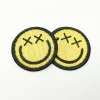
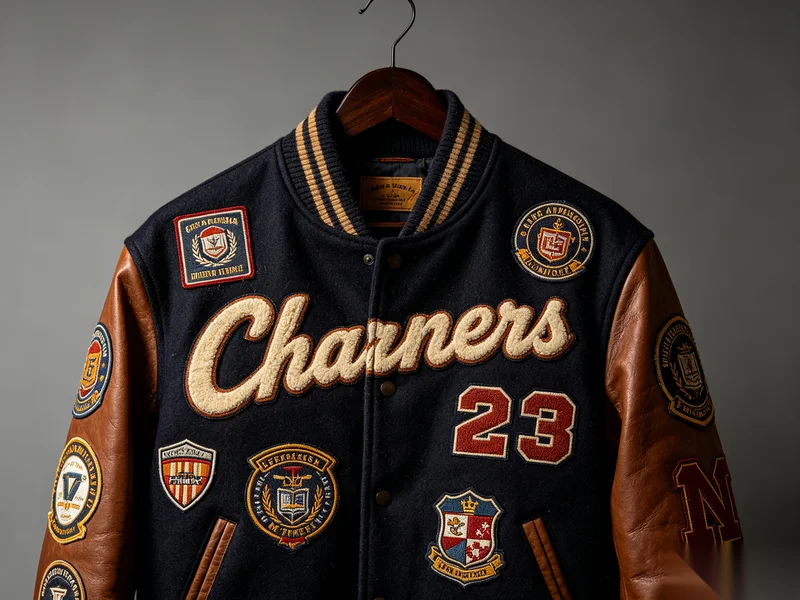
If you’re wondering how to patch pants, the easiest methods are using iron-on or sew-on patches. Iron-on patches are quick and beginner-friendly, while sew-on patches provide long-lasting reinforcement. By choosing the right patch type and applying it correctly, you can repair tears, save money, and even add unique style to your pants.
What Is a Pants Patch?
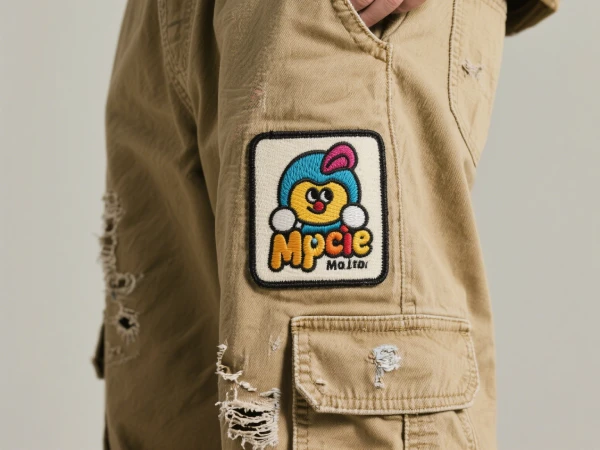
A pants patch is a small piece of durable fabric, such as denim, cotton, or canvas, designed to cover tears, holes, or weak spots in pants. Patches can be:
- Functional → Repairing ripped knees, seats, or inner thighs.
- Decorative → Adding flair, contrast, or creative patterns.
- Protective → Reinforcing high-stress areas in workwear or kids’ clothing.
Whether you’re fixing jeans, cargo pants, or outdoor trousers, pants patches are a budget-friendly and eco-friendly solution.
Why Use a Pants Patch?
Before tossing your damaged pants into the trash or heading to a tailor for expensive fixes, consider this: a pants patch can save you time, money, and resources. Here are a few reasons people opt for patches:
- Cost-effective repair: Patching is significantly cheaper than replacing or professionally altering your clothing.
- Environmentally friendly: Repairing clothes helps reduce textile waste, making it a sustainable choice.
- Personal expression: Use a patch to add flair or create a unique, personalized look.
- Durability: High-quality fabric repair patches can reinforce weak spots and extend the life of your pants.
Whether you’re fixing kids’ clothing, outdoor gear, or fashion jeans, the right patch can make a big difference.
Types of Pants Patches
There are multiple kinds of pants patches, each suited for specific materials, damage types, and personal preferences.
1. Iron On Pants Patch
An iron on pants patch has a heat-activated adhesive on the back, allowing you to apply it easily with a household iron.
Pros:
- Quick and simple to use
- No sewing skills required
- Great for small-to-medium tears
Cons:
- Adhesion may weaken after multiple washes
- Not suitable for very stretchy fabrics
2. Sew-On Patch
This type requires a needle and thread but offers strong, long-lasting results.
Pros:
- Stronger hold than adhesive patches
- Suitable for high-stress areas like knees and seat
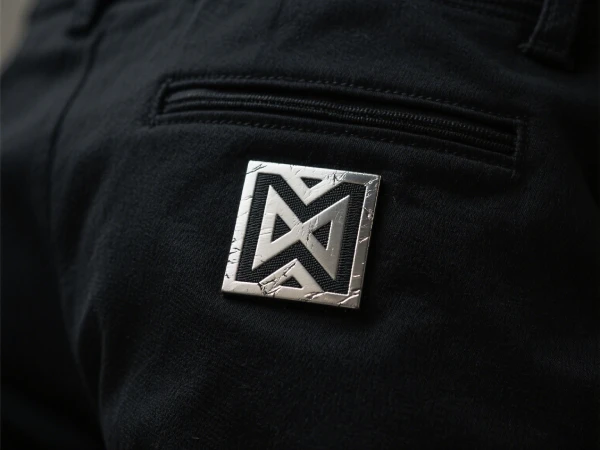
- Can be decorative with embroidered designs
Cons:
- Requires basic sewing skills
- Takes more time to apply
3. Fabric Repair Patch
These are versatile patches made from denim, cotton, canvas, or synthetic materials and can be either ironed or sewn on. They’re ideal for blending in with the original pants material.
Choosing the Right Patch for Your Pants
When selecting a pants patch, consider the following:
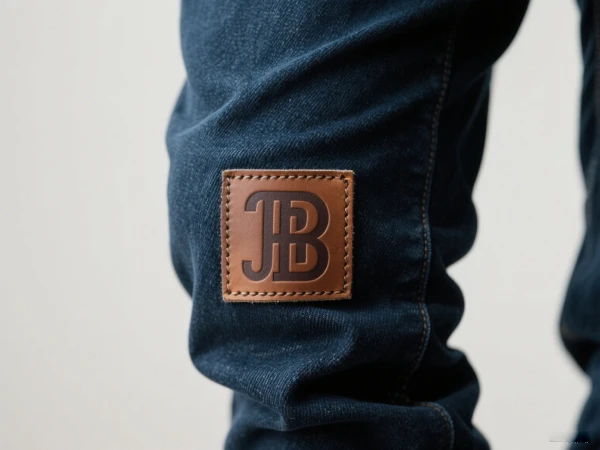
- Material: Match the patch material to your pants for durability and appearance. Denim patches for jeans, canvas for workwear, and stretch fabric for leggings.
- Color and design: Choose a patch that either blends seamlessly or intentionally contrasts for a stylish statement.
- Size and shape: Make sure it’s large enough to cover the damage with extra space to secure the edges. Oval or rectangular patches work best for tears, while fun shapes are good for decorative purposes.
How to Patch Pants: Step-by-Step Guide
Iron-On Method
- Prep the Area → Wash, dry, and iron pants. Trim loose threads.
- Position Patch → Place adhesive side down over damage.
- Protect Fabric → Cover with thin cloth or parchment paper.
- Apply Heat → Set iron to medium-high, press firmly for 30–45 seconds.
- Cool & Check → Allow patch to cool. Reheat edges if needed.
Sew-On Method
- Secure Patch → Pin or lightly glue in place.
- Stitch Edges → Use straight or zigzag stitch for durability.
- Reinforce Stress Areas → Double-stitch if patch is on knees or seat.
💡 Pro Tip: For jeans or pants that are heavily used, combine both methods → iron on first, then sew edges for maximum hold.
Creative Ways to Use Pants Patches
Beyond repairs, patches are gaining popularity in streetwear, DIY fashion, and even runway looks. Here’s how to get creative:
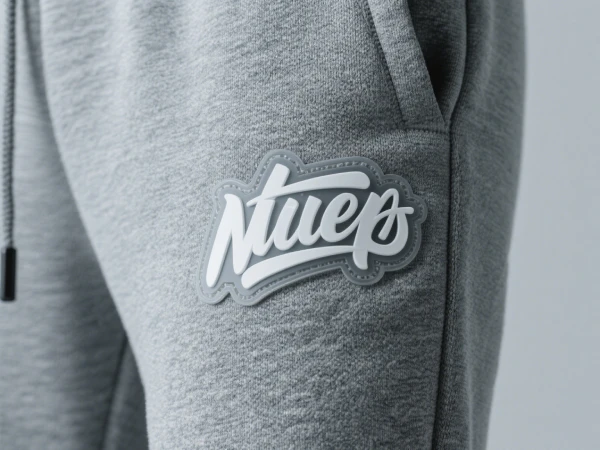
- DIY Fashion → Add patches on thighs, pockets, or cuffs for a streetwear look.
- Contrast Styling → Use bright colors, camo, or patterned patches for a statement piece.
- Patchwork Trend → Mix different shapes and fabrics for a layered, vintage vibe.
- Kids’ Clothes → Fun shapes (stars, animals, cartoons) make repairs playful.
- Uniforms & Workwear → Reinforce stress zones like knees and seats to extend wear.
Maintenance Tips After Patching
- Wash patched pants in cold water to preserve adhesives.
- Turn pants inside out before machine washing.
- Avoid high-heat drying if using iron-on patches.
- Re-sew any lifting edges over time to keep the patch secure.
Final Thoughts
A pants patch is a small tool with big impact. Whether you’re using an iron on pants patch for a fast fix or a fabric repair patch for long-term reinforcement, patching your pants is a practical and creative way to save money, reduce waste, and elevate your style.
Next time you spot a tear or want to spice up a pair of plain trousers, skip the store trip and grab a patch—you might just find that a small patch leads to a whole new look.
About Author
——————————————————————————————————————————————

Apollo
Senior E-commerce Manager
Apollo is an experienced e-commerce manager specializing in patches, apparel accessories, and digital marketing, helping global textile brands grow with proven online strategies.
——————————————————————————————————————————————