Tags for clothes are small labels or tags attached to garments that provide important information about the product. These tags can display brand names, sizes, care instructions, materials, and other details that help both manufacturers and customers understand the clothing item.
In the apparel industry, clothing tags are not only practical but also an important part of brand identity and product presentation.
What Are Clothing Tags?
Clothing tags are labels attached to garments during the manufacturing process. They can be placed in different areas of the garment, such as the neck, side seam, or outside branding position.
Typical information shown on clothing tags includes:
- Brand or company name
- Size information
- Fabric composition
- Washing and care instructions
- Country of origin
- Logo or design elements
These tags help consumers identify and properly maintain the garment.

Common Types of Tags for Clothes
There are several types of clothing tags used by apparel brands depending on their purpose.
Woven Labels
Woven labels are made by weaving threads together to form text or logos. They are commonly used as neck labels or brand tags in garments.

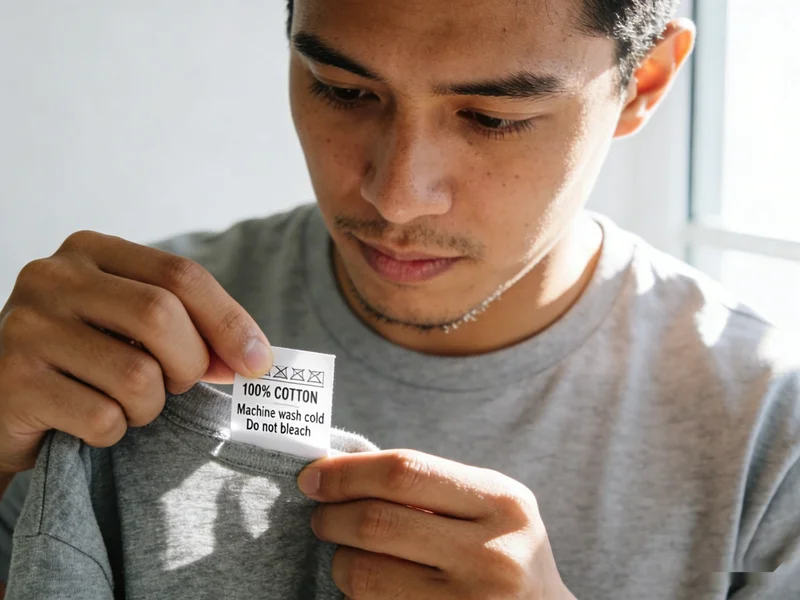
Printed Labels
Printed labels use ink printed directly onto fabric or satin labels. They are often used for care instructions and washing information.
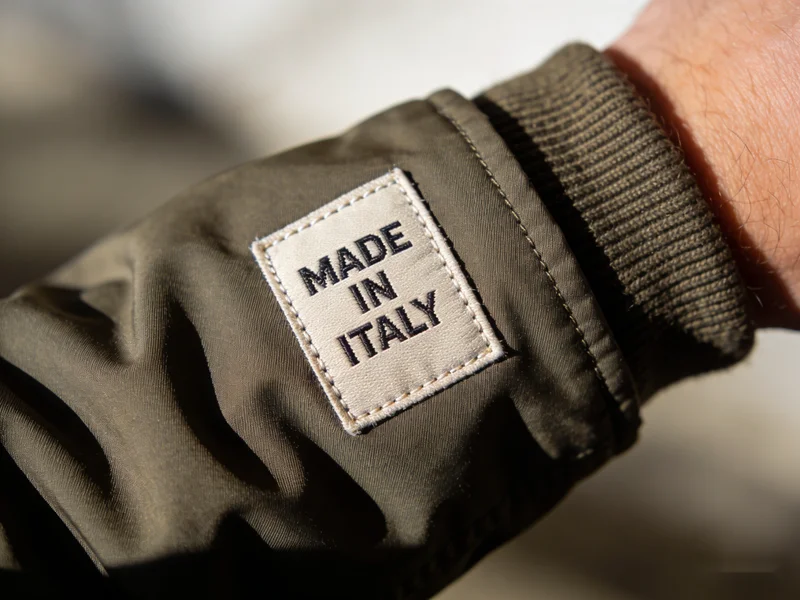
Embroidered Tags
These tags use embroidery stitching to create raised logos or decorative brand elements.
Hang Tags
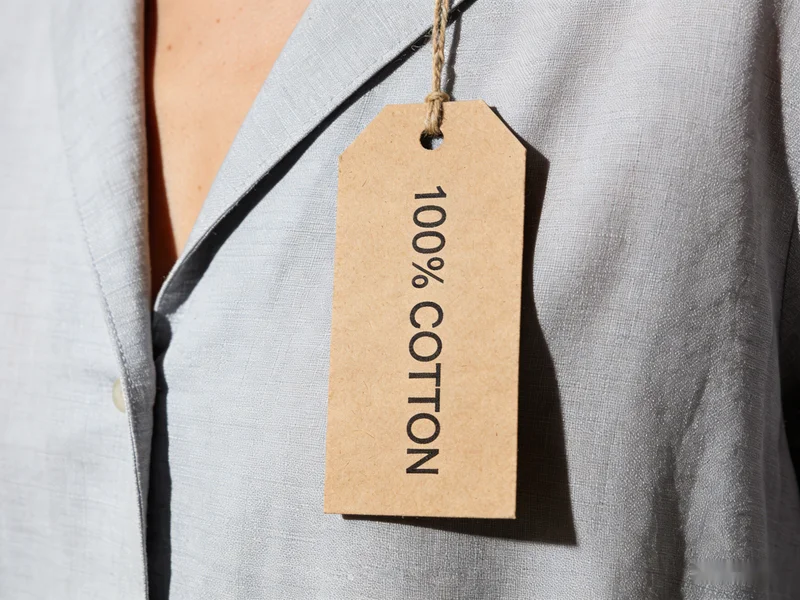
Hang tags are paper or cardboard tags attached to clothing with a string or plastic fastener. They usually include branding, pricing, or product information.
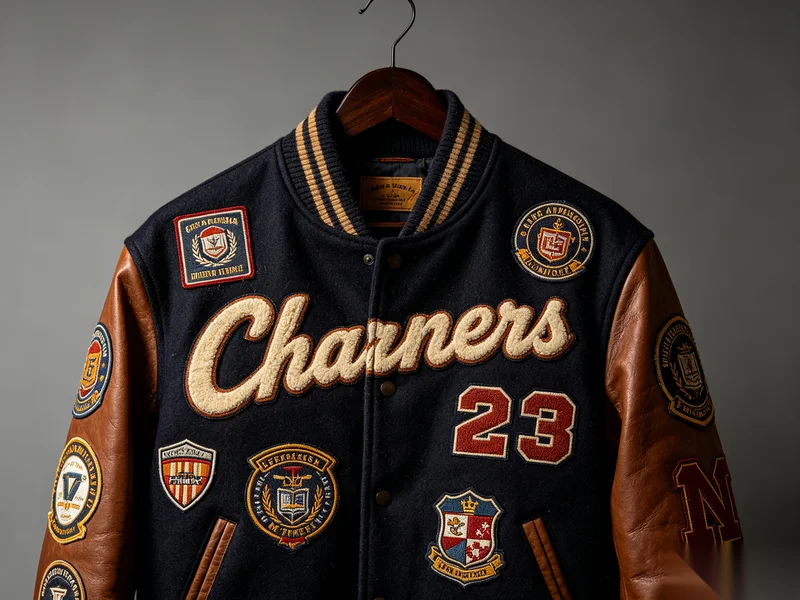
Patch Labels
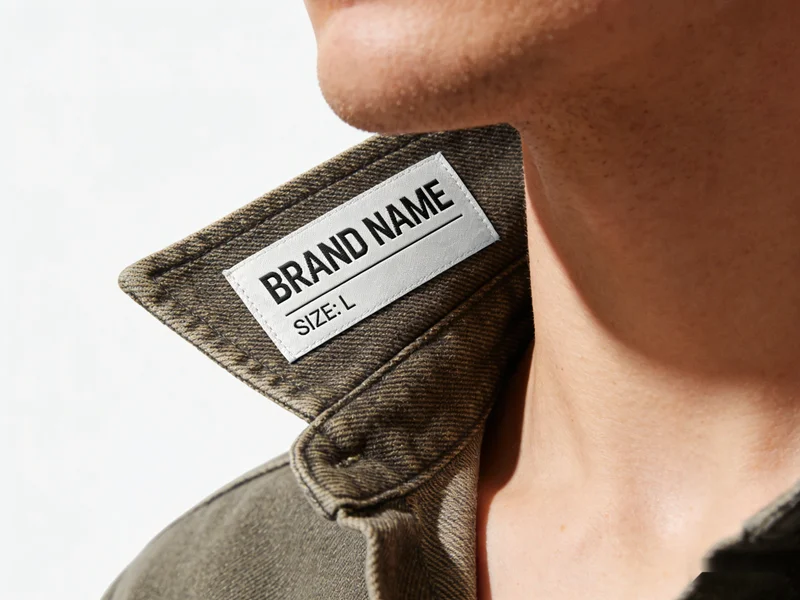
Patch labels are fabric patches sewn onto garments for branding or decoration, often used on jackets, hats, or streetwear.
Where Clothing Tags Are Placed
Different types of tags are positioned in specific areas of a garment depending on their function.
Neck Tags
Located inside the collar, showing the brand name and size.
Side Seam Labels
Placed inside the side seam and often used for care instructions.
Outer Brand Tags
Sometimes attached to visible areas like sleeves or hems for decorative branding.
Hang Tags
Temporarily attached to the garment when sold in stores.
Why Clothing Tags Are Important
Clothing tags serve several essential purposes in the apparel industry.
Brand Identity
Tags display brand logos and names, helping companies build recognition.
Product Information
They provide important details about materials, sizing, and care instructions.
Legal Compliance
Many countries require garments to include fiber content and country-of-origin information.
Professional Appearance
Well-designed clothing tags enhance the overall quality perception of the garment.
Materials Used for Clothing Tags
Clothing tags can be made from different materials depending on the desired look and durability.
- Polyester woven labels – durable and commonly used
- Cotton labels – natural and eco-friendly
- Satin labels – soft and smooth for comfort
- Paper or cardboard – used for hang tags
Each material offers different advantages in terms of durability, texture, and appearance.
Design Tips for Clothing Tags
When designing tags for clothes, simplicity and clarity are important.
- Use clear and readable fonts
- Maintain strong contrast between text and background
- Keep the layout clean and uncluttered
- Choose durable materials for long-term wear
- Ensure branding elements are consistent with the garment design
These design principles help clothing tags look professional and easy to read.
Final Thoughts
Tags for clothes are a small but essential component of garment production. They provide important information, strengthen brand identity, and improve the overall presentation of apparel products.
From woven labels and printed care tags to decorative patches and hang tags, clothing tags play a key role in both functionality and branding within the fashion industry.
About Author
——————————————————————————————————————————————

Apollo
Senior E-commerce Manager
Apollo is an experienced e-commerce manager specializing in patches, apparel accessories, and digital marketing, helping global textile brands grow with proven online strategies.
——————————————————————————————————————————————