Rubber patches are commonly made from PVC, silicone, or TPU. PVC offers low cost and easy processing, silicone provides superior temperature resistance and softness, while TPU delivers the best durability and elasticity. The right choice depends on performance requirements, environment, and brand positioning.
What Are Rubber Patches Used For?
Rubber patches are widely used in:
- Apparel branding (jackets, sportswear, outdoor wear)
- Bags and backpacks
- Tactical and military gear
- Footwear and accessories
They are favored for their:
- 3D appearance
- Strong visual impact
- Durability compared to woven or printed labels
However, “rubber patches” is not one material. The performance of the patch is determined by whether it is made from PVC, silicone, or TPU.

Why Material Selection Matters for Rubber Patches
From a B2B perspective, material choice directly affects:
- Product lifespan
- Comfort and flexibility
- Environmental compliance
- Cost structure
- End-user perception
Choosing the wrong material can lead to:
- Cracking in cold weather
- Premature wear
- Strong odors
- Customer complaints or returns
PVC Patches: Cost-Effective but Limited
What Are PVC Rubber Patches?
PVC (Polyvinyl Chloride) patches are the most common entry-level rubber patches. They are easy to mold and widely used for standard applications.

Advantages of PVC Patches
- Low production cost
- Easy to process and mold
- Good chemical resistance
- Good electrical insulation properties
Limitations of PVC Patches
- Poor environmental performance
- Noticeable plastic odor
- Produces black smoke when burned
- Not resistant to low temperatures
- Relatively weak abrasion resistance
Best Use Cases
- Budget-sensitive projects
- Non-cold environments
- Decorative or short-term use products
Silicone Patches: Soft, Stable, and Skin-Friendly
What Are Silicone Rubber Patches?
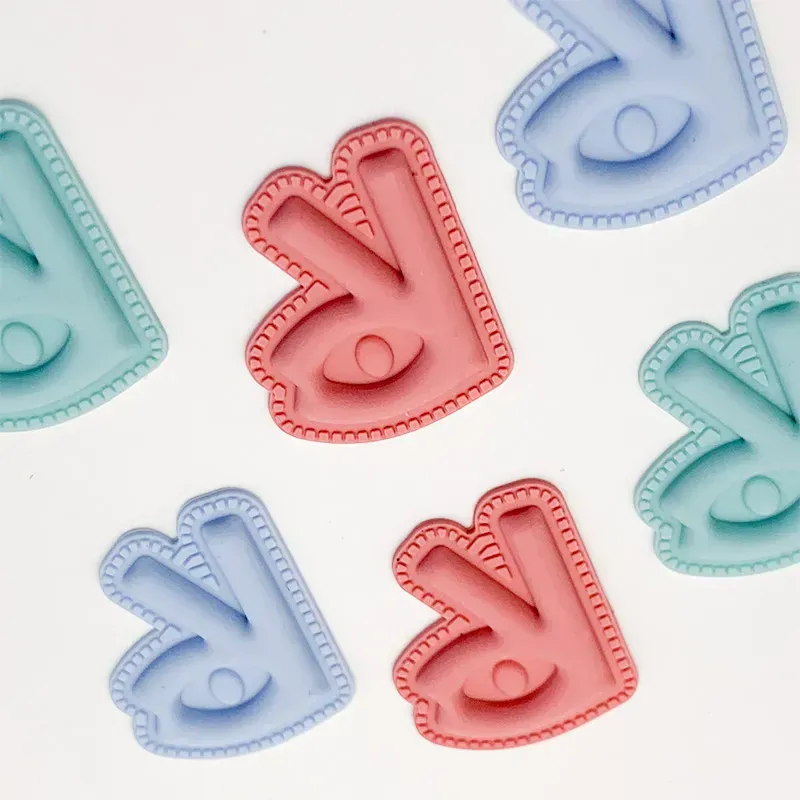
Silicone patches are made from liquid silicone rubber and are often chosen for premium apparel and functional garments.
Advantages of Silicone Patches
- Environmentally friendly and non-toxic
- Resistant to both high and low temperatures
- Excellent chemical stability
- Soft and flexible touch
- Easy to color
- Can reach food-grade standards
Limitations of Silicone Patches
- Lower toughness compared to TPU
- Tends to attract dust due to static properties
Best Use Cases
- Sportswear and activewear
- Baby or skin-contact garments
- Outdoor apparel requiring temperature stability
- Brands prioritizing safety and comfort
TPU Patches: High Performance and Durability
What Are TPU Rubber Patches?
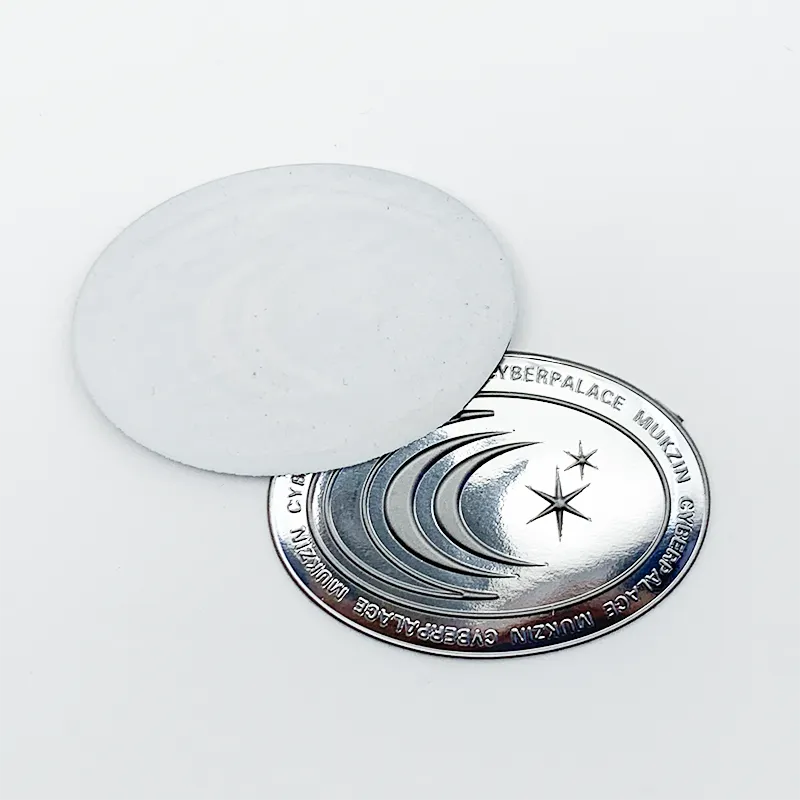
TPU (Thermoplastic Polyurethane) patches represent the highest performance tier among rubber patches.
Advantages of TPU Patches
- Excellent toughness and tensile strength
- Superior abrasion resistance
- Resistant to oil, cold, and aging
- High elasticity and flexibility
- High transparency options
- Good environmental performance
Limitations of TPU Patches
- May yellow over long-term use
- Moderate resistance to strong polar solvents and strong acids/alkalis
Best Use Cases
- Outdoor and technical apparel
- High-wear areas (bags, straps, footwear)
- Transparent or metallic visual effects
- Premium products requiring long service life
Quick Comparison Table: Rubber Patch Materials
| Material | Cost | Flexibility | Durability | Temperature Resistance | Eco Performance |
|---|---|---|---|---|---|
| PVC | Low | Medium | Low–Medium | Poor (low temp) | Low |
| Silicone | Medium | High | Medium | Excellent | High |
| TPU | High | High | Excellent | Good | High |
How to Choose the Right Rubber Patch Material
Ask These Questions First
- Will the patch be exposed to cold or heat?
- Is flexibility critical (stretch fabrics)?
- Is long-term abrasion resistance required?
- Are environmental or safety standards important?
- Is transparency or special visual effect needed?
General Recommendations
- PVC → cost-driven, non-technical applications
- Silicone → comfort, safety, temperature stability
- TPU → durability, premium positioning, performance gear
FAQ: Rubber Patches
Q: Are silicone patches better than PVC patches?
For durability, safety, and temperature resistance—yes. For cost—PVC is cheaper.
Q: Is TPU the best rubber patch material?
In terms of mechanical performance and durability, TPU is usually the strongest option.
Q: Can rubber patches be used on stretch fabrics?
Silicone and TPU are better suited than PVC due to their elasticity.
Conclusion: There Is No “One-Size-Fits-All” Rubber Patch
When it comes to rubber patches, the best material is not about popularity—it is about matching material performance to real usage conditions.
PVC, silicone, and TPU each serve different purposes:
- PVC prioritizes cost
- Silicone prioritizes comfort and stability
- TPU prioritizes strength and longevity
Understanding these differences helps brands avoid product failure, reduce complaints, and build long-term trust with their customers.
About Author
——————————————————————————————————————————————

Laurie
Sales Manager
Hi, I’m Laurie, Sales Manager. I am detail-oriented and highly responsible, focusing on understanding clients’ real needs and delivering reliable solutions while building long-term, trusted partnerships.
——————————————————————————————————————————————