The main difference between plastisol ink and silicone ink is durability and performance. Plastisol ink is thinner, cheaper, and ideal for fine details, while silicone ink is thicker, flexible, 3D-capable, and highly durable for performance apparel. Silicone offers superior washing resistance, elasticity, and longevity, making it better for sportswear and premium brands.
What Is the Difference Between Plastisol Ink and Silicone Ink?
When choosing the right printing method for apparel or label manufacturing, brands often compare plastisol ink vs silicone ink. Both are widely used in screen printing and heat transfer labels, but they differ greatly in performance, durability, and visual effect.
Below is a deep-dive comparison to help purchasing managers、apparel factories、and brands choose the right solution.
1. What Is Plastisol Ink (Traditional Ink Printing)?
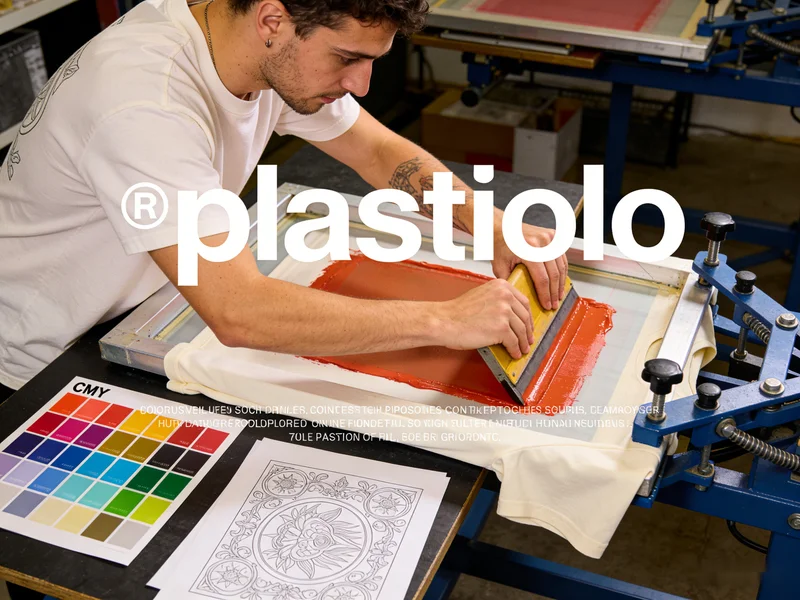
1.1 How Plastisol Ink Printing Works
Plastisol ink printing uses water-based or oil-based inks applied through screen printing, pad printing, or offset-like techniques.
The ink forms a thin layer on the fabric surface and dries through heat curing.
1.2 Key Features of Plastisol Ink Printing
Advantages
- Thin and lightweight finish
- Smooth surface with clean lines
- Excellent for fine details and sharp edges
- Can print gradient colors and CMYK artwork
- Fast production speed
- Lower cost compared to silicone
Disadvantages
- Lower durability – can crack, fade, or peel under heavy friction
- Little to no 3D effect
- Not ideal for high-stretch or high-performance garments
1.3 Common Applications
Plastisol ink is suitable for lightweight and cost-efficient printing needs:
- Apparel care labels
- Nylon webbing or general textile printing
- Labels on fabric tags or hangtags
- Lightweight sport logos
- High-detail artwork with thin lines
2. What Is Silicone Ink Printing?
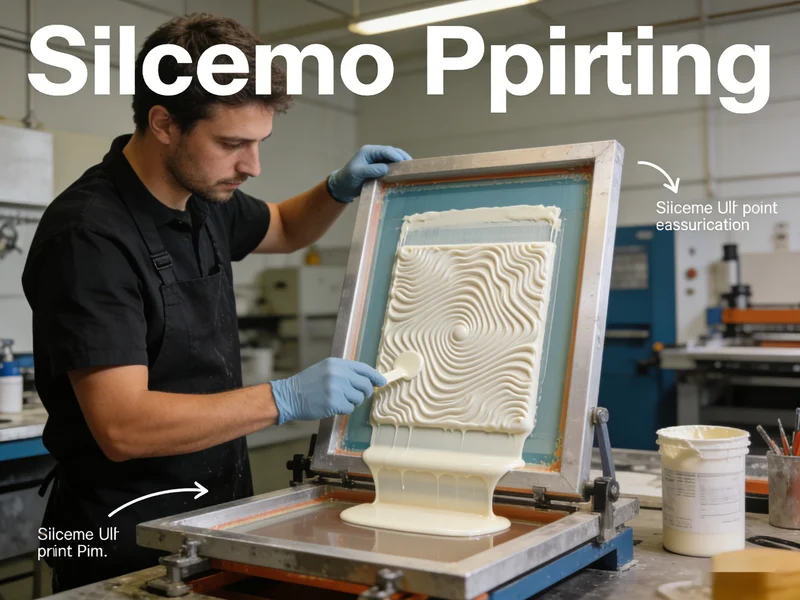
2.1 How Silicone Ink Printing Works
Silicone printing uses liquid silicone that is screen-printed layer by layer and then cured through heat.
Silicone ink is naturally elastic, allowing it to build height and create 3D textures.
2.2 Key Features of Silicone Ink Printing
Advantages
- Strong 3D effect (raised, embossed, layered)
- Superior washing durability
- Resistant to abrasion, cracking, and fading
- High elasticity – ideal for stretchy fabrics
- Withstands high temperatures and harsh environments
- Soft, rubber-like hand feel
Disadvantages
- Higher cost than plastisol
- Slower production due to curing process
- Not suited for micro-details or ultra-fine lines
2.3 Common Applications
Silicone ink printing is used by premium sportswear and high-performance apparel brands:
- High-end sports logos (Nike, Adidas 3D silicone style)
- Anti-slip silicone prints (yoga wear, socks, gloves)
- Silicone chest badges & patches
- Outdoor garments and abrasion-resistant labels
- Silicone heat transfer patches
⭐ Plastisol Ink vs Silicone Ink: Side-by-Side Comparison
| Feature | Plastisol Ink | Silicone Ink |
|---|---|---|
| Durability | Moderate | Very strong (best-in-class) |
| Elasticity | Low | High stretch, no cracking |
| Thickness | Thin | Can build 3D layers |
| Cost | Lower | Higher |
| Production Speed | Fast | Slower (requires curing) |
| Detail Reproduction | Excellent for fine lines | Not ideal for micro details |
| Washing Resistance | Basic–moderate | Excellent |
| Hand Feel | Smooth | Soft + rubbery |
| Best For | Basic labels, cost-efficient logos | Premium sportswear, outdoor apparel |
3. Which One Should You Choose? (Buyer Decision Guide)
Choose Plastisol Ink if you need:
- Cost-efficient printing
- High-detail artwork
- Flat and lightweight finish
- CMYK or gradient designs
Choose Silicone Ink if you need:
- Extreme durability
- High flexibility for stretch fabrics
- 3D or raised effect
- Premium brand appearance
- Heat-resistant, chemical-resistant logos
- Long-lasting performance for athletic wear
4. Why Performance Apparel Brands Prefer Silicone Ink
Premium sportswear and outdoor brands increasingly choose silicone ink because:
- It does not crack during movement
- It resists sweat, heat, UV, and friction
- It maintains color and structure after 50–100+ washes
- It achieves modern 3D and layered branding effects
If your apparel line is targeting the activewear, outdoor or premium market, silicone printing will deliver significantly better long-term performance.
Conclusion: Plastisol Ink vs Silicone Ink
Both plastisol ink and silicone ink have their place in apparel decoration, but they serve different needs.
- Plastisol ink is ideal for cost-effective, detailed, and fast printing.
- Silicone ink is the preferred choice for high-end, durable, and flexible prints—especially in sportswear and performance apparel.
For factory owners and sourcing managers, knowing the difference ensures correct material selection, better customer satisfaction, and more stable production results.
About Author
——————————————————————————————————————————————

Apollo
Senior E-commerce Manager
Apollo is an experienced e-commerce manager specializing in patches, apparel accessories, and digital marketing, helping global textile brands grow with proven online strategies.
——————————————————————————————————————————————