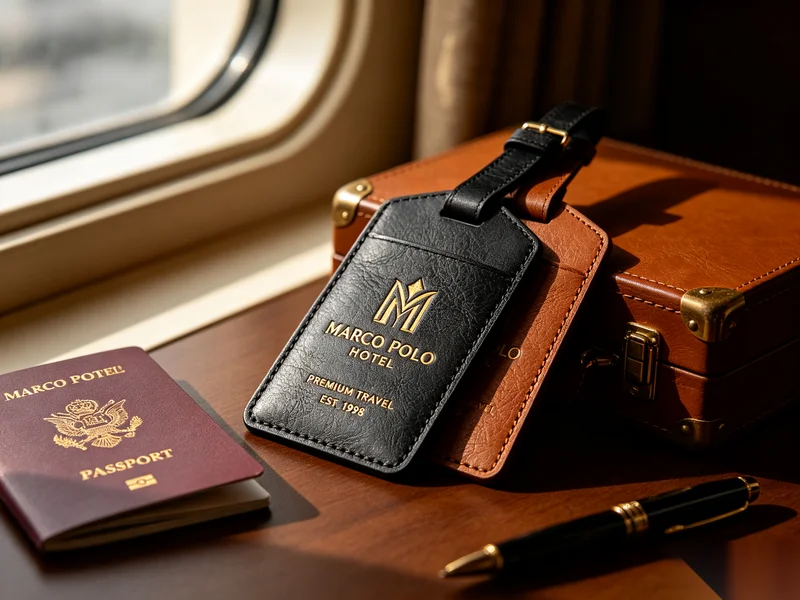
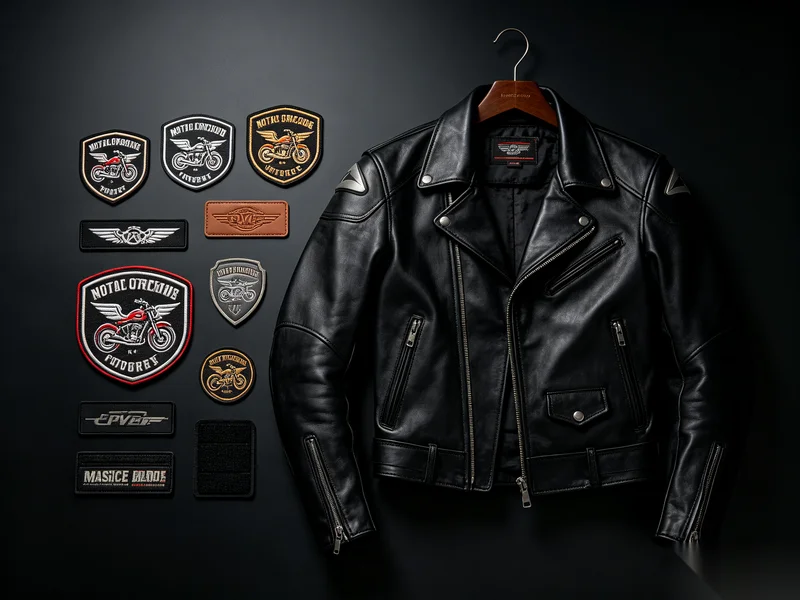
When people hear patches for clothes, they often think about simple decoration or repair.
But today, patches are no longer just add-ons.
They are tools for identity engineering, garment transformation, and even brand storytelling systems.
Let’s explore patches from angles you may not have considered before.
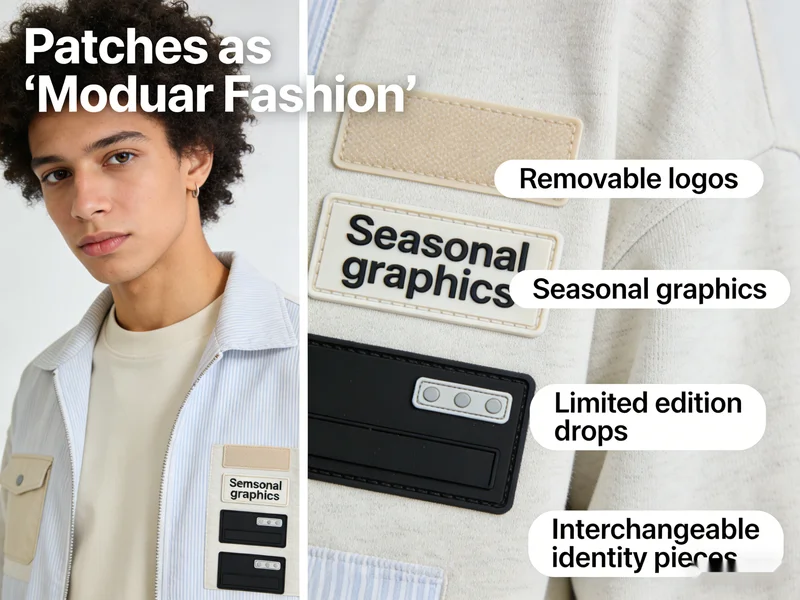
1️⃣ Patches as “Modular Fashion”
Modern consumers are shifting toward modular design:
- Removable logos
- Seasonal graphics
- Limited edition drops
- Interchangeable identity pieces
Instead of producing 10 different jackets, a brand can produce one base jacket + multiple patch collections.
Result?
✔ Lower inventory pressure
✔ Seasonal refresh without redesign
✔ Higher customer interaction
✔ Increased repeat purchases
Patches turn clothing into a customizable platform.

2️⃣ From Repair to Rebirth: Extending Garment Life
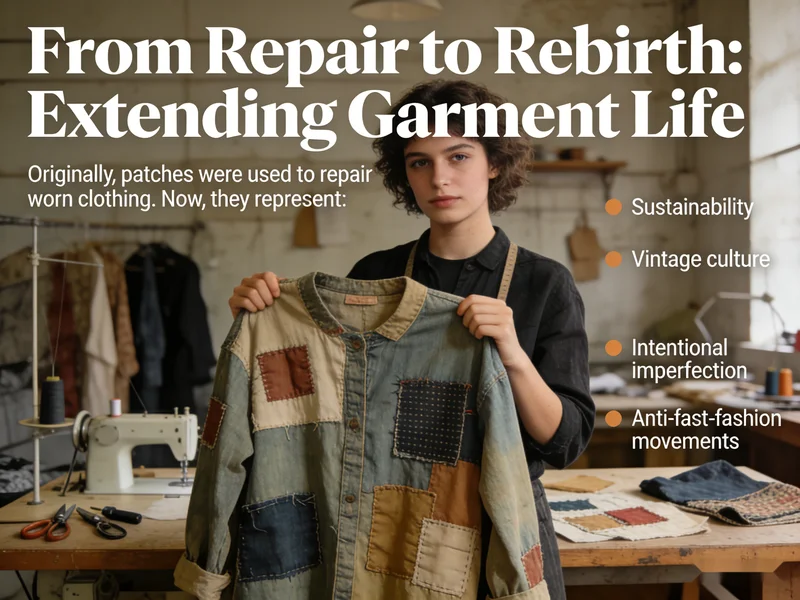
Originally, patches were used to repair worn clothing.
Now, they represent:
- Sustainability
- Vintage culture
- Intentional imperfection
- Anti-fast-fashion movements
A well-placed patch doesn’t hide damage — it transforms it into character.
For brands embracing sustainability messaging, patches can symbolize durability rather than disposability.
3️⃣ Patches as Emotional Anchors
Unlike printed graphics, embroidered or textured patches have:
- Weight
- Texture
- Stitch density
- Physical presence
They feel permanent.
That tactile element creates emotional attachment.
A patch is not just seen — it is touched.
For clubs, sports teams, or subcultures, a patch becomes a wearable badge of belonging.
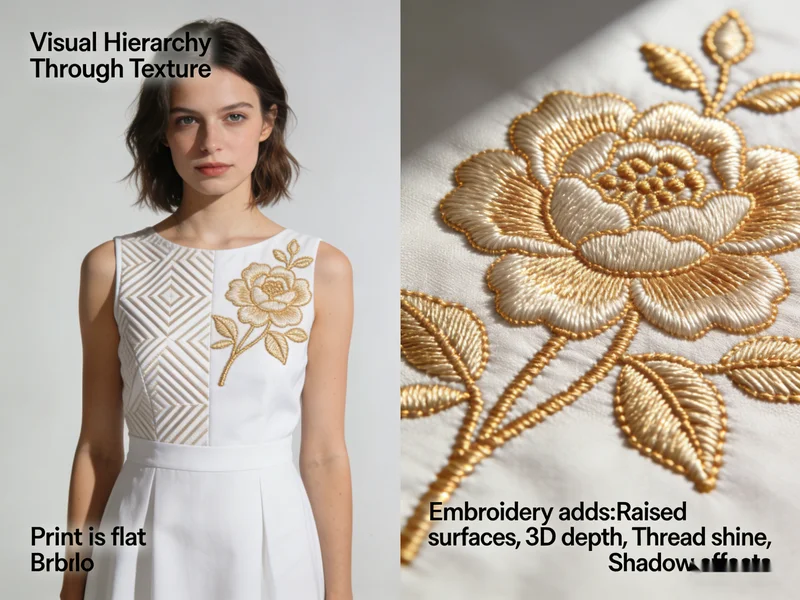
4️⃣ Layered Branding Strategy
Most brands print logos.
Smart brands layer identity.
Consider this structure:
- Base garment (neutral design)
- Main brand patch (logo placement)
- Secondary theme patch (campaign-based)
- Limited edition patch (numbered or seasonal)
Instead of overprinting garments, patches allow layered messaging without overwhelming the design.
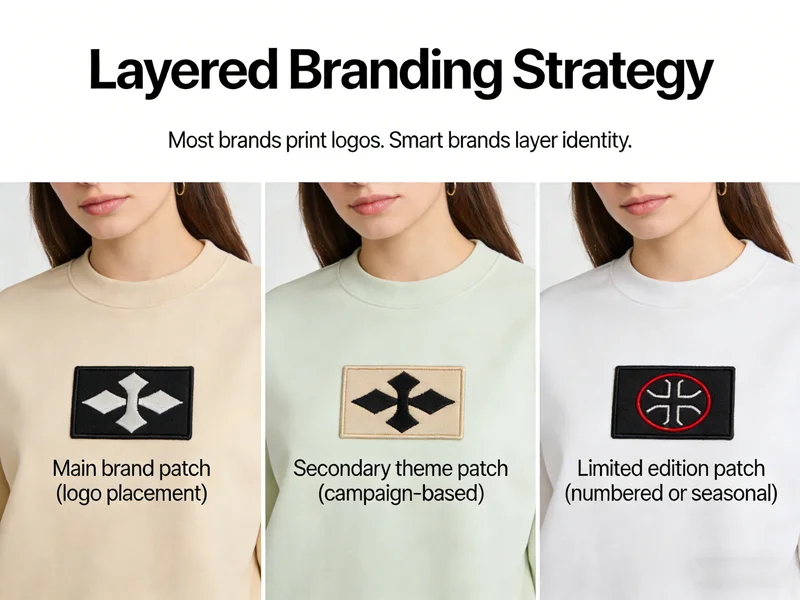
5️⃣ Visual Hierarchy Through Texture
Print is flat.
Embroidery adds:
- Raised surfaces
- 3D depth
- Thread shine
- Shadow effects
This creates a visual hierarchy naturally.
Designers can:
- Highlight the brand name
- Add subtle background texture
- Combine chenille + embroidery
- Introduce dimensional contrast
Patches make garments visually dynamic without adding complexity to the garment structure itself.
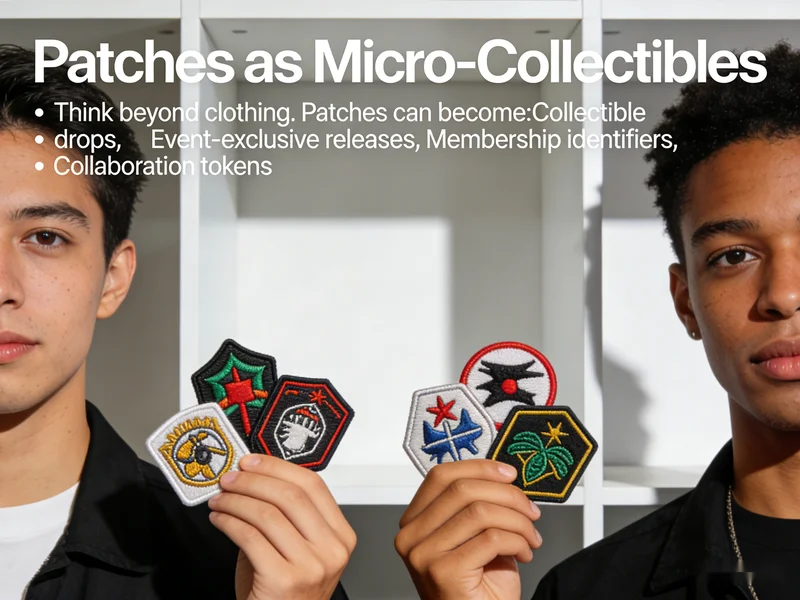
6️⃣ Patches as Micro-Collectibles
Think beyond clothing.
Patches can become:
- Collectible drops
- Event-exclusive releases
- Membership identifiers
- Collaboration tokens
Streetwear brands increasingly treat patches as standalone merchandise that can be applied to jackets, bags, or hats.
This creates:
✔ Secondary revenue streams
✔ Brand loyalty
✔ Community engagement
7️⃣ Placement Innovation: Beyond the Chest
Traditional placements:
- Left chest
- Sleeve
- Back
Modern placements:
- Collar edge
- Hemline
- Pocket flap
- Inside lining
- Overlapping seams
Unexpected placement makes patches feel integrated rather than added.
8️⃣ Hybrid Material Play
Patches are no longer limited to flat embroidery.
Creative directions include:
- Chenille + embroidery mix
- 3D puff embroidery
- Appliqué layering
- Reflective thread elements
- Woven detail overlays
This allows designers to treat patches as textile architecture rather than labels.
9️⃣ Strategic Cost Design
From a production perspective, patches for clothes offer strategic advantages:
- Lower sampling cost than full garment rework
- Flexible reordering
- Easier quality control
- Faster turnaround for new collections
For brands testing new markets, patches reduce risk while keeping product fresh.
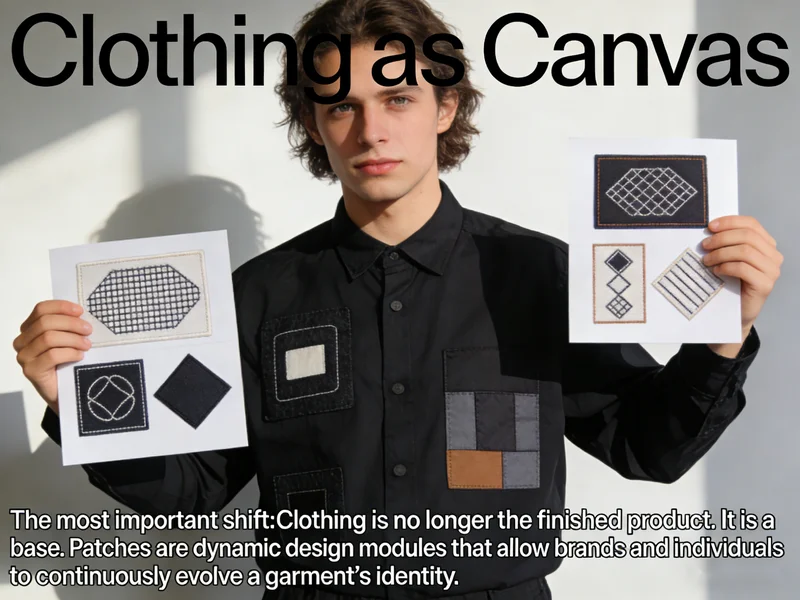
10️⃣ Clothing as Canvas
The most important shift:
Clothing is no longer the finished product.
It is a base.
Patches are dynamic design modules that allow brands and individuals to continuously evolve a garment’s identity.
Final Thought
Patches for clothes are not simply decorative accessories.
They are:
- Branding devices
- Emotional symbols
- Sustainable design tools
- Modular fashion components
- Community markers
When used strategically, patches turn clothing into an evolving storytelling platform.
About Author
——————————————————————————————————————————————

Apollo
Senior E-commerce Manager
Apollo is an experienced e-commerce manager specializing in patches, apparel accessories, and digital marketing, helping global textile brands grow with proven online strategies.
——————————————————————————————————————————————