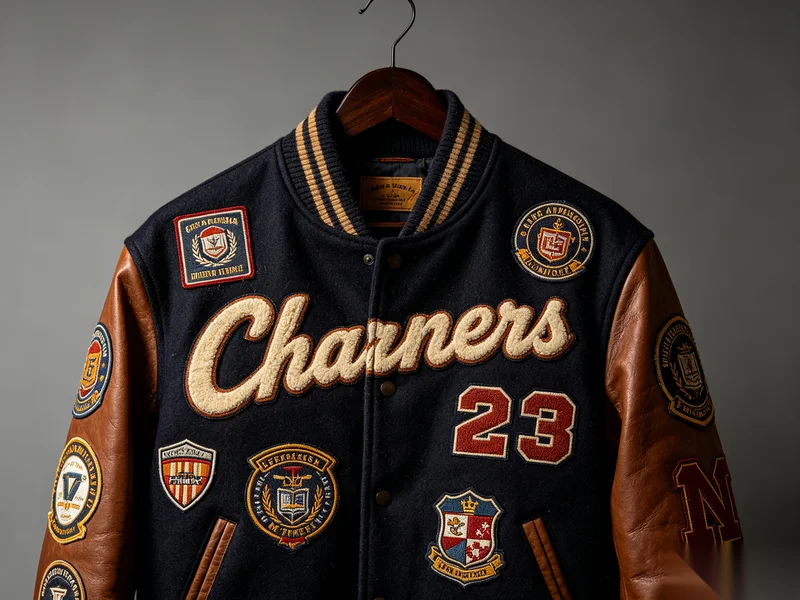
Name tags are small identification labels or badges that display a person’s name, role, or affiliation. Commonly used in workplaces, events, schools, and organizations, name tags help people quickly recognize and communicate with one another.
Although simple in appearance, name tags play an important role in professional identity, brand representation, and customer interaction.
What Are Name Tags?
A name tag is typically a small badge worn on clothing that includes a person’s name, title, company, or organization logo. They can be attached to uniforms, jackets, shirts, or lanyards.
Name tags may be made from various materials such as:
- Fabric or embroidered patches
- Metal badges
- Plastic name plates
- Printed label tags
Each material serves different industries and usage scenarios.
Common Types of Name Tags
Name tags come in several styles depending on how they are used.
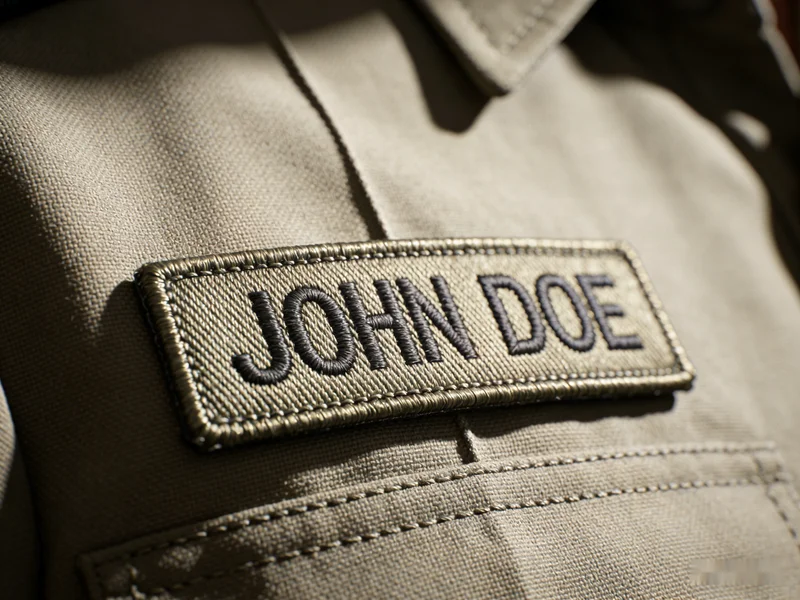
Embroidered Name Tags
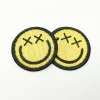
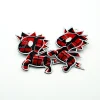
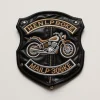
Fabric patches with embroidered names or logos. These are commonly sewn onto uniforms or workwear.
Printed Name Badges
Plastic or metal badges printed with names and job titles, often used in offices or retail stores.
Magnetic Name Tags
Badges attached with magnets instead of pins, preventing damage to clothing.
Iron-On Name Tags
Heat-applied fabric name tags used for clothing, uniforms, and school apparel.
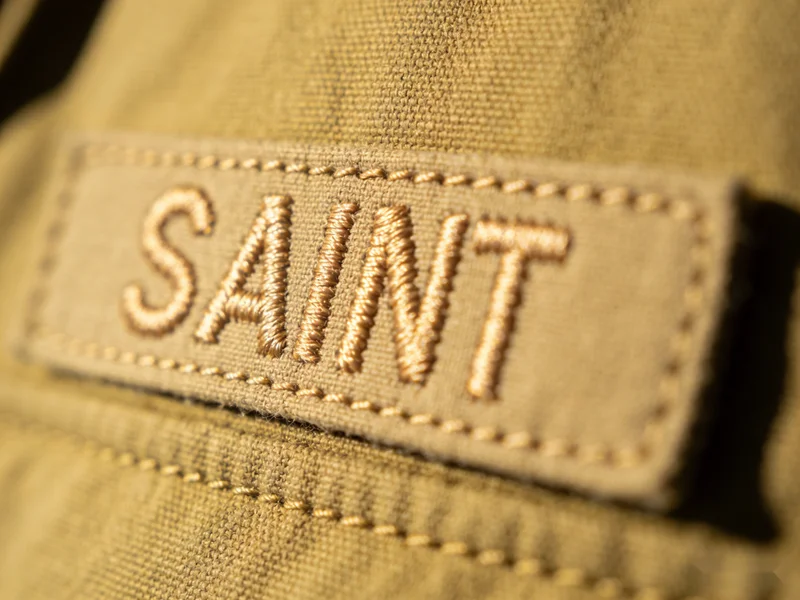
Velcro Name Tags
Removable name patches commonly used for tactical gear, military uniforms, or security teams.
Where Name Tags Are Commonly Used
Name tags are widely used in environments where quick identification improves communication and professionalism.
Corporate Offices
Employees wear name tags to help customers and coworkers easily identify them.
Retail and Customer Service
Staff members use name tags to build trust and improve customer interaction.
Hospitals and Medical Facilities
Doctors, nurses, and staff wear name badges for identification and safety.
Events and Conferences
Participants wear name tags to facilitate networking and introductions.
Uniformed Services
Security teams, military personnel, and technicians often wear embroidered name tags.

Benefits of Using Name Tags
Improved Communication
Name tags make it easier for people to address each other directly, creating a more welcoming environment.
Professional Appearance
Uniform name tags give organizations a more organized and professional image.
Stronger Brand Identity
Including company logos on name tags reinforces brand recognition.
Better Team Recognition
Employees and team members can quickly identify roles and responsibilities.
Fabric Name Tags and Embroidery
In workwear and uniforms, embroidered fabric name tags are particularly popular. These tags are made with stitched lettering that remains clear even after repeated washing.
Advantages include:
- Durable stitching that does not fade easily
- Professional and textured appearance
- Compatibility with uniforms and work clothing
- Long-lasting performance in industrial environments
Because of these qualities, embroidered name tags are widely used in manufacturing, service industries, and outdoor workwear.
Design Tips for Effective Name Tags
When designing name tags, clarity and readability are essential.
- Use simple and bold fonts
- Maintain strong contrast between text and background
- Keep the name large and easy to read
- Include logos without overcrowding the design
- Choose durable materials for long-term use
A well-designed name tag should be readable from a reasonable distance while remaining visually clean.
Final Thoughts
Name tags may be small, but they play a big role in communication, professionalism, and brand presentation. Whether used in corporate offices, service industries, or uniforms, a well-designed name tag helps create clear identification and strengthens organizational identity.
From embroidered fabric patches to modern magnetic badges, name tags continue to be an essential tool for businesses and organizations worldwide.
About Author
——————————————————————————————————————————————

Apollo
Senior E-commerce Manager
Apollo is an experienced e-commerce manager specializing in patches, apparel accessories, and digital marketing, helping global textile brands grow with proven online strategies.
——————————————————————————————————————————————