Quick Answer (40–50 words for Featured Snippet):
When comparing iron on vs sew on patches, iron-on patches are faster and easier to apply, while sew-on patches offer maximum durability and professional finish. For fashion or temporary use, choose iron-on. For uniforms, workwear, or frequent washing, sew-on patches are the better choice.
FAQ: Iron On vs Sew On Patch
❓ What’s the difference between iron on and sew on patches?
Answer:
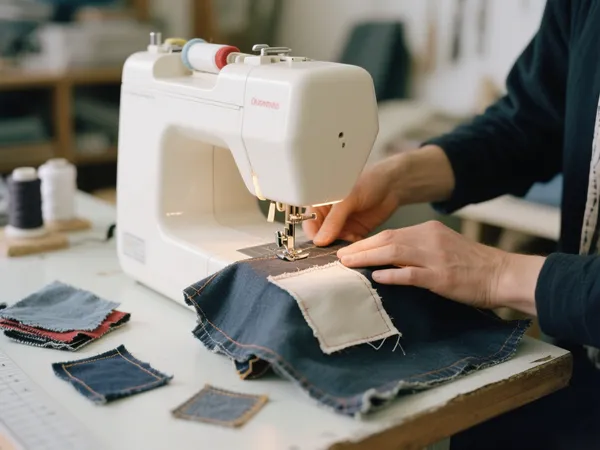
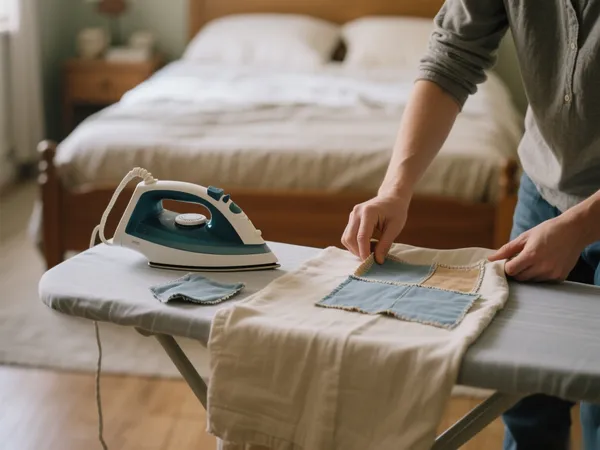
The main difference lies in application. Iron-on patches use a heat-activated adhesive that bonds to fabric, while sew-on patches are stitched directly onto the garment for long-lasting hold.
In Detail:
- Iron-on patches are best for quick, decorative customization on items like denim jackets, tote bags, or hats.
- Sew-on patches are recommended for uniforms, workwear, outdoor gear, or apparel that requires frequent washing.
For B2B clients such as clothing brands or manufacturers, sew-on patches are often chosen for reliability, while iron-on patches are used in fashion lines for seasonal collections.
❓ What are the limitations of iron on patches?
Answer:
Iron-on patches may not withstand heavy washing, stretching, or use on specialty fabrics.
Professional Considerations:
- Adhesive can weaken after 20–30 wash cycles.
- Not suitable for waterproof or heat-sensitive textiles.
- Often combined with stitching in high-wear industries like workwear and sports apparel.
Many brands solve this by heat pressing + edge stitching—a hybrid method used by manufacturers to ensure durability without sacrificing efficiency.
❓ Why should businesses choose sew on patches?
Answer:
Sew-on patches are stronger, longer-lasting, and versatile across fabric types.
Expanded Benefits:
- Durability: Withstands industrial washing, heavy friction, and daily use.
- Fabric Versatility: Works on leather, nylon, polyester, and elastic materials where heat adhesives fail.
- Professional Look: Preferred for uniforms, corporate branding, and performance apparel.
Example: Military, police, and firefighter uniforms almost exclusively use sew-on patches due to safety standards and durability requirements.

❓ What are the drawbacks of sew on patches?
Answer:
They require more time, skill, and equipment compared to iron-on patches.
Challenges for Businesses:
- Slower production if handled manually.
- Needle holes remain if patches are removed.
- Machine setup required for bulk manufacturing.
However, for B2B clients such as workwear suppliers or sportswear brands, the investment is justified since it ensures product longevity and reduces returns from patch failures.
❓ Iron On vs Sew On Patch: How should businesses decide?
Answer:
It depends on usage, fabric, and production goals.
Comparison Table:
| Situation | Recommended Patch Type |
|---|---|
| Need fast, low-skill application | Iron-On Patch |
| Workwear, uniforms, backpacks | Sew-On Patch |
| Heat-sensitive fabrics | Sew-On Patch |
| Fashion apparel, denim jackets | Either (Iron-on + stitch optional) |
| Mass production for B2B clients | Sew-On Patch (machine stitching) |
For global apparel brands, combining iron-on adhesive with machine stitching often achieves both speed and reliability.

Which Patch Should You Use?
Here are a few considerations to help decide between iron on vs sew on patch:
| Situation | Recommended Patch Type |
|---|---|
| Need a quick fix | Iron-On Patch |
| Heavy-duty clothing or bags | Sew-On Patch |
| High heat-sensitive fabric | Sew-On Patch |
| Fashion apparel or denim | Either (Iron-on with optional stitching) |
| Custom uniforms | Sew-On Patch |
❓ What’s the best way to apply iron on patches?
Answer:
Use proper heat and pressure for lasting adhesion.
Steps:
- Preheat fabric area.
- Place patch with pressing cloth.
- Apply firm heat for 15–30 seconds.
- Let it cool completely before handling.
For bulk orders, manufacturers use industrial heat presses instead of household irons, ensuring consistent results.
❓ What’s the best way to sew on patches?
Answer:
Secure patch position and use strong stitching methods.
Steps:
- Pin or baste patch in place.
- Select matching thread.
- Use zigzag stitch for flexibility.
- Double-stitch for heavy-duty items.
For high-volume B2B production, automated embroidery machines are used to increase efficiency and maintain precision.
Final Thoughts: Iron On vs Sew On Patch for B2B
When deciding between iron on vs sew on patch, the right choice depends on the end use. Iron-on patches are best for speed, fashion, and decorative items, while sew-on patches dominate in uniforms, workwear, and outdoor apparel where durability is critical.
👉 Many professional manufacturers—including Qinghan, established in 1998—recommend a hybrid approach: heat-activated adhesive for quick placement, followed by machine stitching for long-term security. This ensures patches not only look great but also withstand heavy usage in global markets.