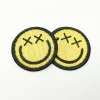
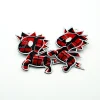
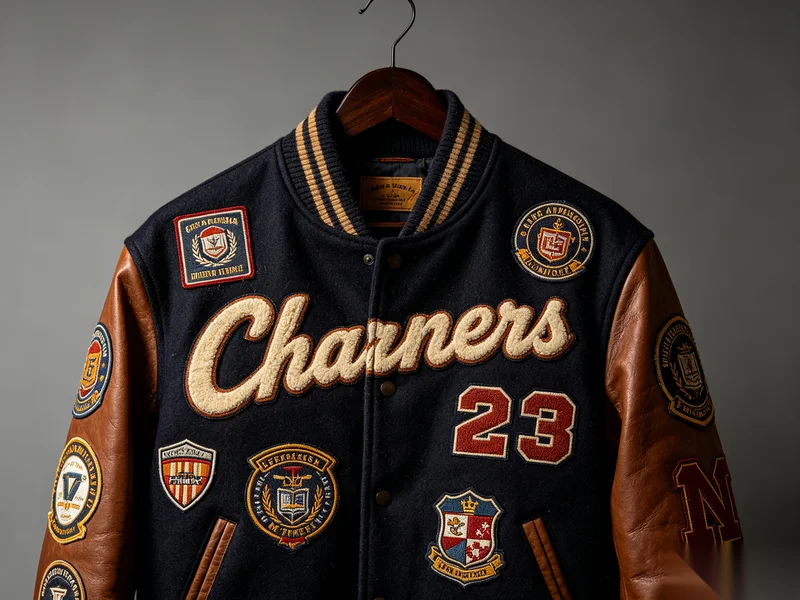
Silicone ink screen printing allows brands to create high-detail, layered heat-transfer graphics with excellent durability and a premium 3D look. For designs requiring depth—such as lip shapes, shadows, or highlights—Silk Screen Silicone Heat Transfer Labels provide a cleaner, more stable, and cost-efficient solution than woven or embroidered bases.
Key Takeaways (Snippet-Friendly List)
- Silicone ink screen printing = best for layered effects and color depth
- Works for precise shapes like lips, shadows, highlights
- Avoids fraying issues common with Tatami embroidery textures
- Ideal for cost control and mass-production stability
- Produces premium Silicone Screen Print Heat Transfer Patches with strong wash resistance

What Is Silicone Ink Screen Printing?
Short Answer:
Silicone ink screen printing is a process that uses silicone-based inks to create soft, elastic, heat-transfer graphics that can be applied to garments through a heat-pressing process.
Deep Explanation:
Compared with traditional ink types, silicone ink offers:
- Higher elasticity
- Better color clarity
- Superior wash resistance
- Thicker, cleaner 3D edges
- Eco-friendly and skin-safe properties
This makes it ideal for apparel brands developing Silk Screen Silicone Heat Transfer Labels and premium patches for fast fashion, sportswear, outdoor apparel, and specialty logos.
Why Did the Client Fail With the First Concept (Tatami + Silicone Print)?
Short Answer:
Because the black Tatami base disappeared visually on black clothing, and the lip section required finer layering and depth than Tatami embroidery could achieve.
Detailed Background:
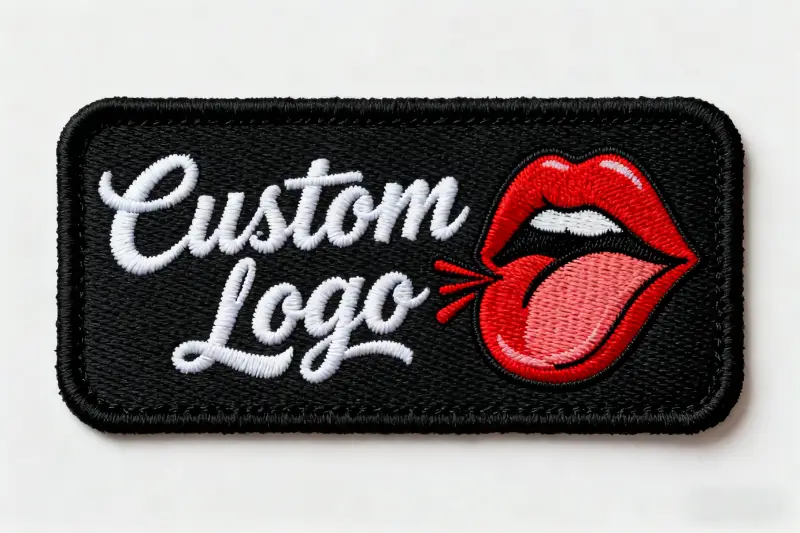
Initially, the customer planned to create a logo combining:
- Tatami (flat embroidered texture) as the base
- Silicone ink screen printing for the lip shape
The design goal: highlight the layered depth of the lips.
However, two major issues appeared:
Problem 1 — Black Tatami on Black Fabric Looked Flat
Once the first sample was received, the client realized:
- The black Tatami base completely blended into the black garment
- The lips lost visual contrast
- The intended depth effect disappeared
Tatami is textured but not reflective, so on dark garments the effect is minimal.
Problem 2 — Only Doing the Lip Section in Tatami Causes Fraying
If the Tatami is applied only to a small curved area (like lips), then:
- Edges become unstable
- Fraying risk increases
- Shape accuracy is difficult
- Production consistency drops
For fast-fashion production volumes, this is a major B2B concern.
Problem 3 — Splitting the Logo Increases Production Cost
Producing lips separately:
- Requires additional molds or embroidery programs
- Adds labor cost
- Adds quality-control difficulty
The client requested a better solution that maintained depth while reducing cost.
3. What Was the Final Recommended Solution?
Short Answer:
Replace all Tatami/embroidery elements with a full Silk Screen Silicone Heat Transfer Label, then add white highlight layers on top of the red silicone lips.
Why It Works:
Our experienced designers reviewed the structure and proposed a cleaner, more efficient solution:
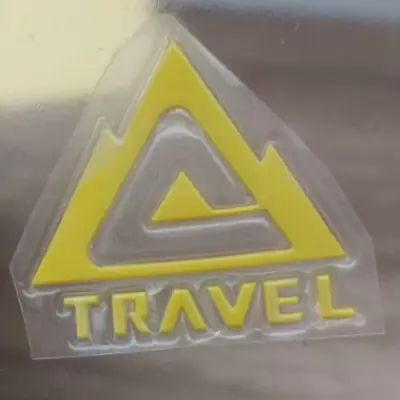
✔ Use 100% silicone ink screen printing for the entire patch
This achieves:
- clean edges
- uniform thickness
- stronger adherence
- reduced production cost
- better consistency in bulk orders
✔ Add a white silicone highlight layer inside the red lip graphic
This delivers:
- smooth depth gradient
- natural highlight reflection
- stronger “dimensional” effect
- visually fuller lip shape
✔ Use heat-transfer application instead of embroidery
This prevents:
- fraying
- shape distortion
- shrinkage differences
- color incompatibility
The client approved this plan because it perfectly matched their artistic requirements while staying within a reasonable cost structure.
4. How Does Silicone Ink Create the Lip Layering Effect?
Short Answer:
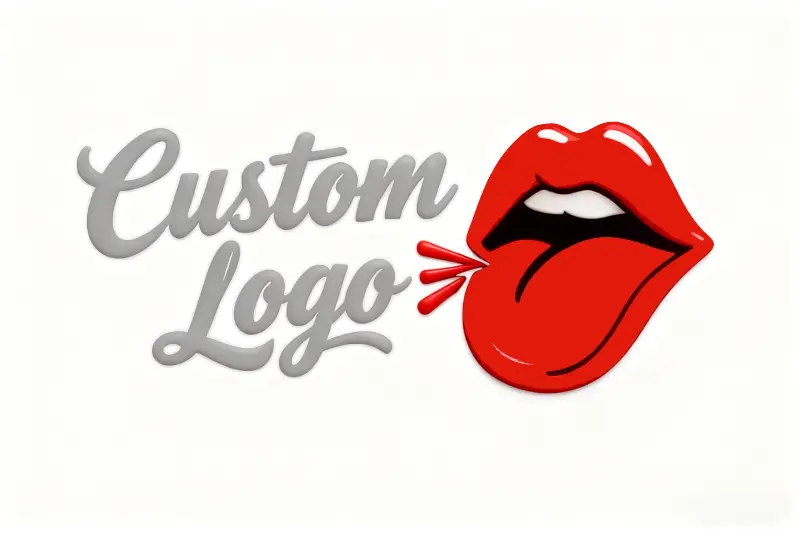
By stacking silicone inks in separate layers, manufacturers can simulate highlights, shadows, and curved surfaces—ideal for lip shapes or textured designs.
Technical Explanation:
Silicone ink can be:
- printed in multiple layers
- stacked at different thickness levels
- tinted with high-pigment colors
- cured at stable temperatures
This allows effects such as:
- highlight shine
- soft shadow gradients
- raised or recessed textures
- glossy or matte contrasts
Embroidery cannot achieve this level of smooth layering, especially on small curved shapes.
5. Why Is Silicone Screen Printing Better Than Tatami for This Design?
Below is a direct comparison:
| Feature | Tatami Embroidery | Silicone Ink Screen Printing |
|---|---|---|
| Edge Precision | Medium | Very high |
| Detail Level | Limited for curves | Excellent |
| Layered Effects | Hard to achieve | Easy |
| Risk of Fraying | High | Zero |
| Cost | Higher for small shapes | More cost-effective |
| Wash Durability | Good | Excellent |
| Soft Touch | Moderate | Very soft & elastic |
For designs like lips—which require smooth curvature and natural highlights—silicone ink is clearly the better technical choice.
6. What Did the Final Silicone Screen Print Heat Transfer Patch Look Like?
We delivered a Silicone Screen Print Heat Transfer Patch with:
- Full-silicone construction
- Clean red lip silhouette
- Soft raised structure
- White highlight layer for depth
- Strong visual contrast on garments
- Smooth edges without fraying
- Consistent mass-production quality
The client response:
They were pleased that the new design:
- looked more premium
- had better visual depth
- solved all fraying issues
- lowered production cost
- matched their brand style perfectly
7. What Should Brands Consider When Using Silicone Ink Screen Printing?
Below are expert tips for B2B clothing manufacturers:
✔ 1. Avoid embroidery for small, curved or floating shapes
Silicone is more stable and precise.
✔ 2. Use highlight or shadow layers to increase depth
Especially useful for shapes like lips, waves, folds, and text shadows.
✔ 3. Ensure proper thickness control
Typical recommended silicone thickness:
- 0.3 mm–0.8 mm depending on design complexity
✔ 4. Always test on the actual garment fabric
This prevents color loss or contrast issues like the black-on-black problem in this case.
Conclusion
This case demonstrates how silicone ink screen printing can outperform traditional techniques when designs require clean curvature, layered highlights, or smooth depth effects. By replacing Tatami with a complete Silk Screen Silicone Heat Transfer Label and adding a white highlight layer, we delivered a stable, beautiful, and cost-efficient solution that exceeded the client’s expectations.
For garment brands looking to create expressive, durable, and visually layered graphics, a Silicone Screen Print Heat Transfer Patch is one of the most reliable and flexible options in today’s apparel industry.
About Author
——————————————————————————————————————————————

Mary
Sales Manager
Hi, I’m Mary. Passionate about exploring new industry trends, I stay ahead of the curve and offer clients forward-thinking solutions tailored to their needs.
——————————————————————————————————————————————