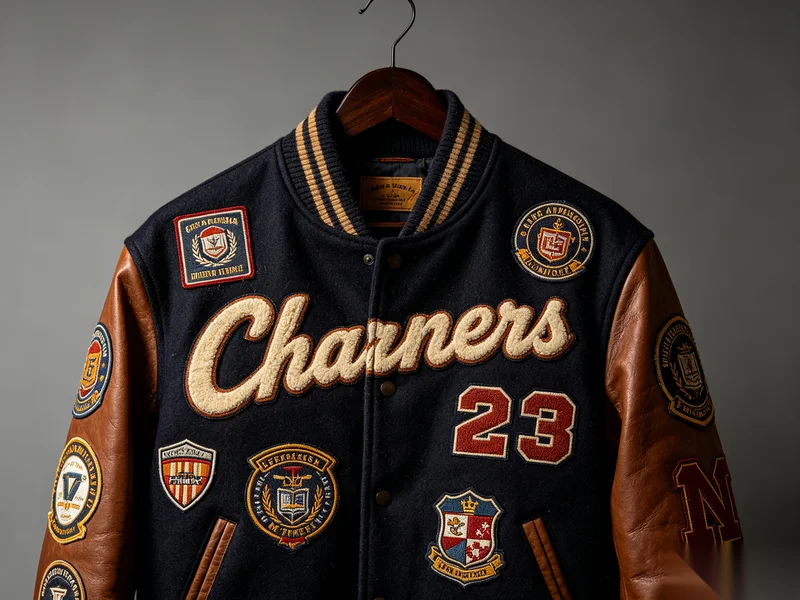
A mold drawing for custom PVC patches and silicone labels is a 3D production blueprint. To read it correctly, focus on the top view for shape and details, and the side view for thickness and layering. Understanding layers, thickness, sewing channels, and production limits ensures your final product matches expectations.
What Is a Mold Drawing for Custom PVC Patches?
Short Answer:
A mold drawing is a technical diagram used to define the structure, thickness, and layers of a patch before production.
In custom silicone labels or custom PVC patches, clients usually provide artwork, and manufacturers convert it into a mold drawing for approval before sampling or mass production.
👉 It is not just a visual design—it is a manufacturing instruction.

How Do You Read a Mold Drawing?
Short Answer:
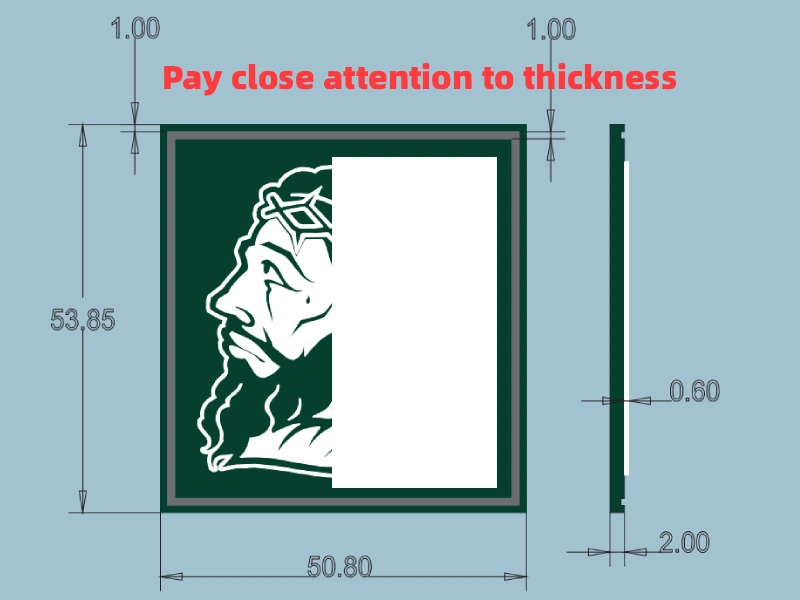
Read the front view for design details and the side view for structure and thickness.
Core Logic
- Top View (Front View)
→ Confirms shape, logo, text, and layout - Side View (Cross Section)
→ Shows thickness, layering, and 3D structure
👉 A mold drawing is essentially a 3D structural guide, not just a flat design.
How Many Layers Should a Custom PVC Patch Have?
Short Answer:
Most patches use 2–3 layers, depending on the desired 3D effect and budget.
Layer Structure Explained
- Base Layer (Bottom)
Defines the overall shape and foundation - Middle Layer
Adds depth and transitions - Top Layer
Highlights logos, text, or key elements
Key Insight
- More layers → stronger 3D effect
- More layers → higher cost
👉 For B2B projects, the goal is optimized layering, not maximum layering.
Do You Need a Sewing Channel in Custom PVC Patches?
Short Answer:
Yes, if the patch will be sewn onto garments, a sewing channel is highly recommended.
Why Add a Sewing Channel?
- Ensures smooth stitching
- Prevents thread slipping
- Improves stitching accuracy and appearance
- Reduces edge deformation
Recommended Specification
- Width: approx. 0.5mm
- Position: around the edge or specified areas
👉 This small detail significantly improves production efficiency and final quality.
What Is the Recommended Thickness for Custom PVC Patches?
Short Answer:
The standard thickness is 1.2mm–1.5mm, with 1.5mm being the preferred option.
Why Thickness Matters
- Affects durability and flexibility
- Determines 3D appearance
- Impacts overall product feel
Professional Recommendation
👉 Choose 1.5mm for most applications because it offers:
- Better structure
- Enhanced 3D effect
- Improved durability
Can Mold Drawings Achieve Sharp Corners?
Short Answer:
No—perfect sharp corners are not achievable due to tooling limitations.
Important Manufacturing Reality
- All inner corners will have slight rounded edges (R angles)
- This is a technical constraint, not a defect
Why?
- Cutting tools have physical diameter
- Sharp angles increase risk of mold damage
- Sharp corners may cause product tearing
👉 Best practice: design with rounded corners from the beginning
What Should You Check Before Approving a Mold Drawing?
Short Answer:
Focus on structure, function, and manufacturability—not just appearance.
Final Checklist (Featured Snippet Friendly)
- ✔ Is the shape correct? (Top view)
- ✔ Are thickness and layers clearly defined? (Side view)
- ✔ Is a sewing channel required?
- ✔ Is the thickness suitable for the application?
- ✔ Are there any unproducible details (e.g., sharp angles)?
Why Mold Drawing Confirmation Is Critical in B2B Production?
Short Answer:
Because it directly determines product quality, cost efficiency, and production accuracy.
Industry Insight
In custom PVC patches and silicone label manufacturing:
- The mold drawing = final product blueprint
- Any misunderstanding → leads to sampling delays, extra cost, or inconsistent bulk production
👉 Clear confirmation ensures:
- Faster sampling cycles
- Fewer revisions
- Stable mass production quality
Conclusion
Understanding how to read a mold drawing is essential for developing high-quality custom PVC patches and silicone labels. By focusing on structure, thickness, layering, and production feasibility, buyers can avoid common mistakes and achieve consistent results.
For B2B clients, a well-reviewed mold drawing is not just a step—it is the foundation of successful product development.
👉 A high-quality patch starts with a correctly understood mold drawing.
About Author
——————————————————————————————————————————————

Amy
Sales Manager
Hi, I’m Amy, Sales Manager. With a detail-oriented and friendly approach, I listen carefully to clients’ needs and deliver attentive service, ensuring they find the best solutions with ease.
——————————————————————————————————————————————