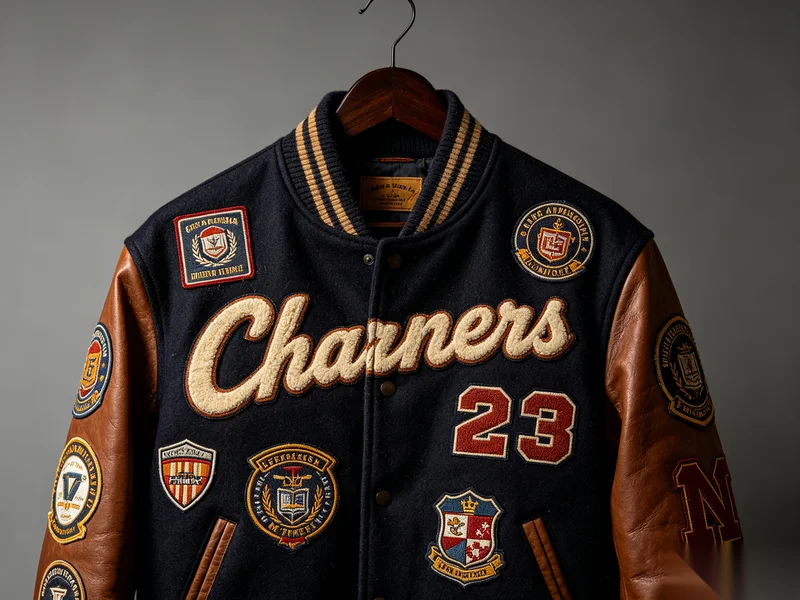
TPU silicone patches combine silicone framing with TPU textures to create lightweight, durable, and stylish garment labels. When working with small sizes, optimizing grooves, textures, and frame depth is essential. The best results come from refining the design through engineering evaluation rather than simply following the initial artwork.
Key Insights (Snippet-Friendly List)
- TPU silicone patches require precise balance between size and texture
- Too many details in small areas may reduce clarity
- Vertical lines and textured surfaces add visual depth
- Removing excessive grooves improves manufacturability
- Engineering review is crucial for small-dimension patches
What Are TPU Silicone Patches and Why Are They Used in Apparel?
Short Answer:
TPU silicone patches are hybrid labels that combine silicone frames with TPU film centers, offering a premium, modern look suited for sportswear, outerwear, and accessories.
Detailed Explanation:
Compared with standard woven labels or PVC, TPU silicone patches offer:
- A lightweight and sleek surface
- Excellent durability
- High-definition text and texture
- Strong flexibility and temperature stability
- A premium aesthetic appealing to fast fashion and outdoor brands
The combination of silicone (for structure) and TPU (for metallic or brushed textures) makes them ideal for modern apparel branding.
What Was the Client’s Original Requirement?
A fast-growing apparel brand approached us to produce a brushed TPU + silicone patch, with a compact size of:
➡ 2 cm × 2.75 cm
This project was challenging from the start because:
- The patch was extremely small
- The client wanted both texture and TPU gloss
- The design contained custom text (confidential)
- The customer requested visual richness without increasing size
Small patches leave very limited space for complex structures, so engineering optimization becomes essential.
Why Was the First Version Considered “Too Simple”?
Short Answer:
The initial design followed the client’s artwork exactly, but the visual effect appeared flat due to the small surface area.
First Version Contents:
- Black silicone border
- Silver TPU center
- Custom black text on TPU (blurred for privacy)
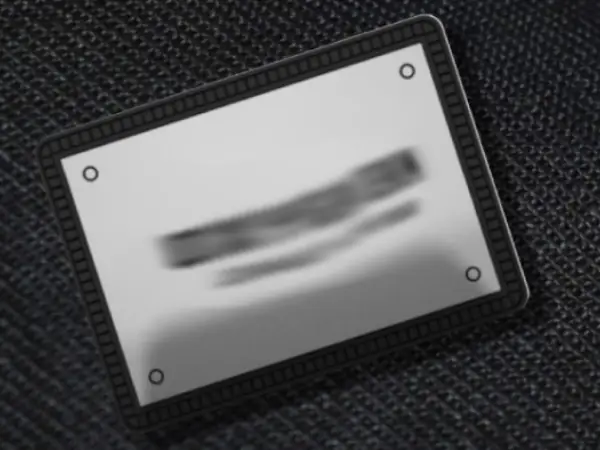
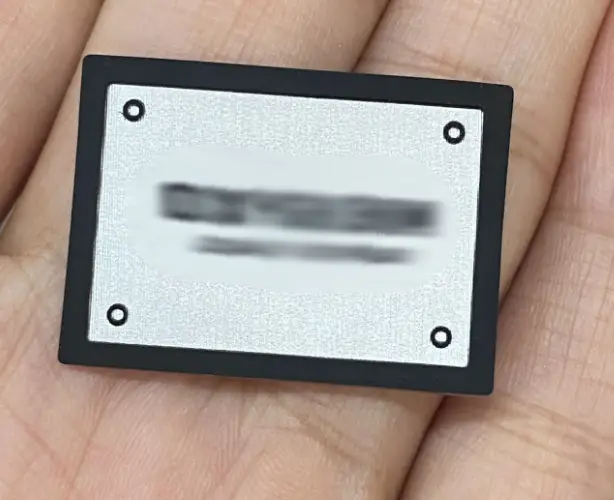
Although accurate, this version lacked:
- Depth
- Texture contrast
- Visual hierarchy
For brands positioning themselves above competitors, “simple but flat” is not enough. They needed a richer, more tactile effect.
What Modifications Did the Client Request in the Second Version?
For the second revision, the client wanted:
✔ Vertical lines on the outer frame
✔ Grooves added to the border
✔ All improvements to be done without increasing the patch size
This added significant complexity because within 2 × 2.75 cm:
- Each groove must remain sharp
- Vertical textures must be visible
- Borders must stay structurally stable
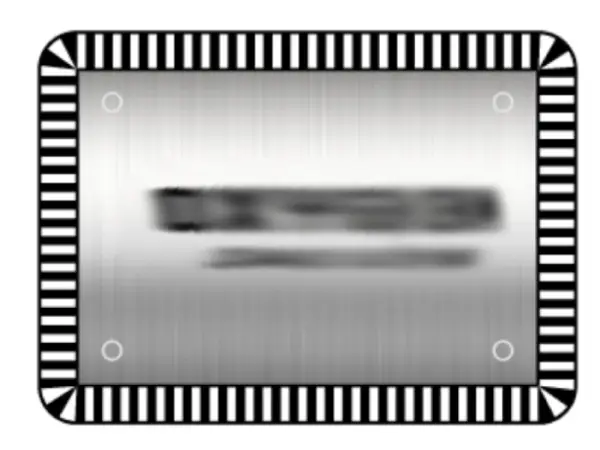
Adding too many micro-details may lead to:
- Production inconsistency
- Mold difficulty
- Unclear textures after curing
But we moved forward with evaluation and visualization to guide the client.
Why Was a Third Revision Necessary?
Short Answer:
Because adding grooves in such a small frame reduced clarity and introduced molding challenges. We advised removing the grooves and enhancing the TPU texture instead.
Engineering Review Insights:
After receiving the second revision request, our design and engineering team jointly analyzed the structure. We found:
❌ Problem: Small-size grooves cause confusion
Grooves around the frame at a small scale:
- appear messy
- weaken frame structure
- increase risk of mold marks
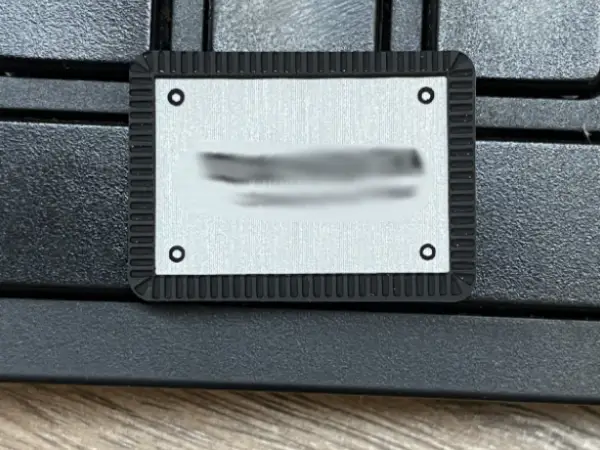
✔ Better Solution: Keep frame clean, add vertical texture on TPU
Vertical lines on the TPU:
- increase depth
- enhance metallic/brushed effect
- keep manufacturing smooth
- highlight the logo area more clearly
We presented effect drawings to the client, making the differences visible immediately.
What Was the Final Optimized Version?
The final and approved version contained:
✔ Clean silicone border (no grooves)
Ensures durability, mold precision, and clean visual structure.
✔ Vertical brushed texture on the TPU center
Enhances depth without increasing size.
✔ High-contrast custom black text
Sharp and clear, even at small dimensions.
✔ Balanced thickness for premium appearance
Not too heavy, not too thin—ideal for jackets, sportswear, and small accessories.
Result:
When the sample arrived, the client was extremely satisfied.
This version not only looked more premium but also solved all production concerns.
What Does This Case Teach About Designing Small TPU Silicone Patches?
This case is a strong example of why engineering expertise matters more than simply following artwork.
Below are critical lessons for apparel brands:
Lesson 1: Small patches cannot handle excessive micro-detail
Grooves, multiple layers, tiny borders may:
- blur after mold curing
- weaken silicone structure
- reduce consistency in bulk production
Better solution: use texture, contrast, and depth masterfully.
Lesson 2: TPU texture is more effective than adding border complexity
Vertical brushed lines, matte/gloss contrasts, or micro-patterns:
- improve visual richness
- maintain structural stability
- stay consistent across thousands of pieces
Lesson 3: Size is a strict limitation, not a flexible parameter
When clients want “more detail but same size,” the only way to succeed is through:
- structural analysis
- material evaluation
- professional visual engineering
This is where suppliers with real experience outperform average vendors.
Lesson 4: The best solution often comes from understanding what the client really needs
At first, the client asked for “more grooves and textures.”
But through conversations and visual references, we discovered:
➡ What the client actually wanted was a richer, more premium look—not necessarily more complexity.
So we provided the optimal approach instead of blindly adding details.
Final Outcome: Client Satisfaction & Long-Term Trust
Once the final sample was received, the client expressed strong satisfaction because:
- The patch looked premium
- Details remained clear despite small size
- Manufacturing was stable and cost-efficient
- The design reflected the brand’s quality positioning
This reinforced their trust and deepened cooperation for future garment labels.
Conclusion
Designing tpu silicone patches—especially at small sizes—requires more than good artwork. It demands engineering evaluation, material knowledge, and a deep understanding of garment branding aesthetics. By simplifying the frame and enhancing the TPU texture, we delivered the perfect balance between beauty, function, and manufacturability.
For fashion brands seeking high-end, durable, and modern-looking patches, TPU + silicone structures offer one of the best solutions in today’s apparel market.
About Author
——————————————————————————————————————————————

Amy
Sales Manager
Hi, I’m Amy, Sales Manager. With a detail-oriented and friendly approach, I listen carefully to clients’ needs and deliver attentive service, ensuring they find the best solutions with ease.
——————————————————————————————————————————————