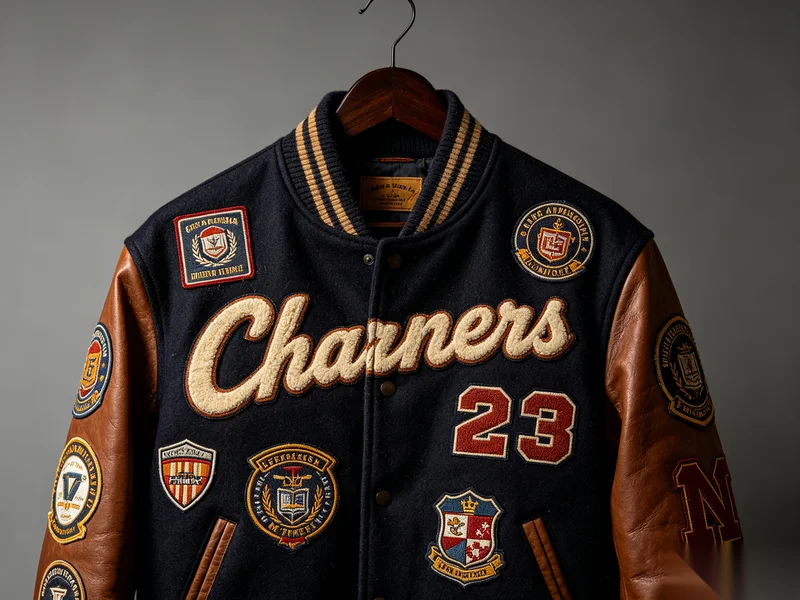
Choosing the right material for leather patches depends on your brand positioning, durability requirements, budget, and visual style. The three most common options—PU leather, microfiber leather, and genuine leather—each offer different advantages in texture, color consistency, durability, and premium appearance.
Why Does Leather Material Matter in Leather Patches?
Short Answer:
Because the leather type directly affects the patch’s appearance, texture, durability, and brand perception.
In apparel trims and branding applications, leather patches are often used to elevate product value and visual identity.
Different materials influence:
- Surface texture
- Embossing quality
- Color consistency
- Aging performance
- Production cost
👉 Choosing the wrong material can weaken the final brand presentation.
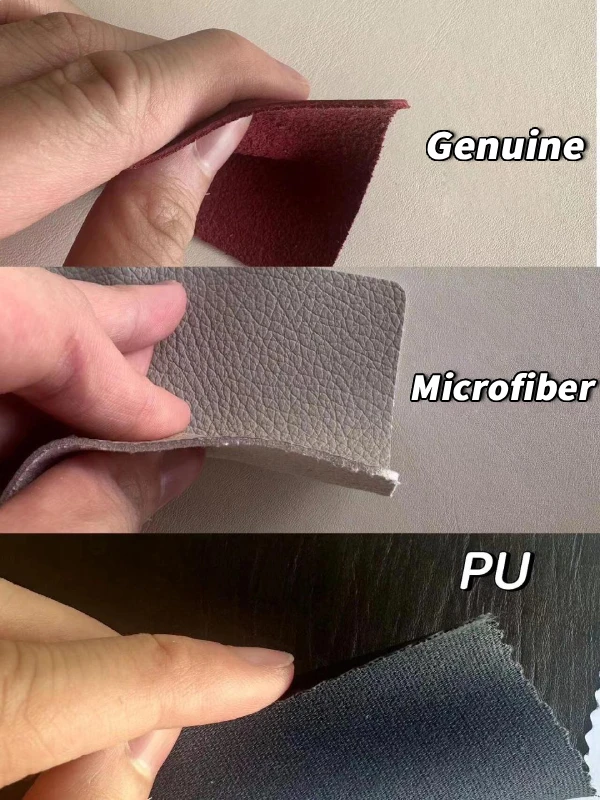
Quick Comparison: Which Leather Material Is Best?
| Material | Cost | Durability | Texture | Color Stability | Best For |
|---|---|---|---|---|---|
| PU Leather | Low–Medium | Medium | Flexible | Excellent | Fashion / mass production |
| Microfiber Leather | Medium–High | High | Premium synthetic feel | High | Sports / outdoor |
| Genuine Leather | High | High (with care) | Natural luxury | Variable | Premium / vintage |
1. What Is PU Leather and Why Is It So Common for Leather Patches?
Short Answer:
PU leather is the most widely used synthetic leather because it offers versatility, stable color, and cost efficiency.
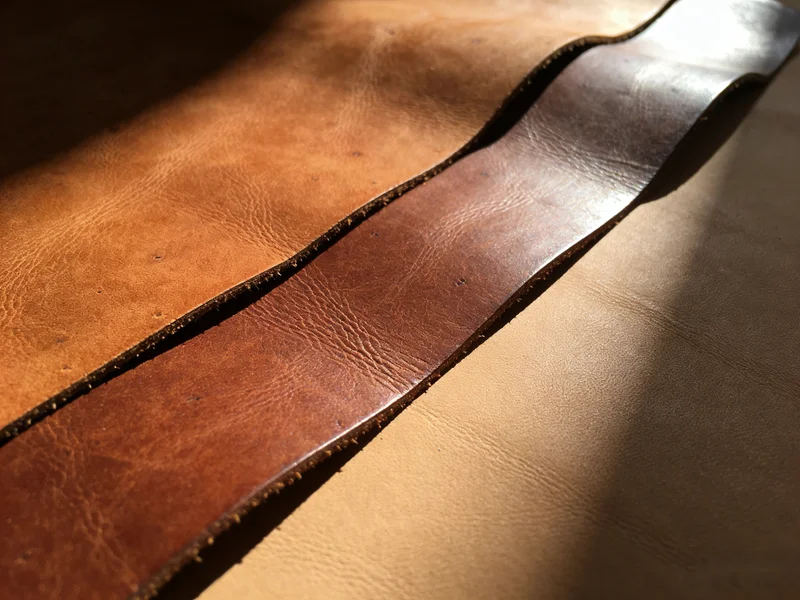
Key Features of PU Leather
PU (Polyurethane Leather) supports many visual effects:
- Matte finish
- Glossy finish
- Embossed textures
- Metallic effects
- Sanded surfaces
It also works well with:
- Logo embossing
- Heat pressing
- Screen printing

Advantages of PU Leather Patches
- ✔ Wide color selection
- ✔ Stable pricing
- ✔ Easy to process
- ✔ Suitable for large-scale production
- ✔ Good compatibility with multiple patch techniques
👉 Ideal for brands requiring:
- Consistent appearance
- Fast production
- Controlled costs
Limitations of PU Leather
- Durability is moderate
- Some low-grade PU may:
- Crack over time
- Peel at edges
- Become sticky under high heat
👉 Material quality selection is critical.
Best Applications for PU Leather Patches
- Fashion apparel
- Sports casualwear
- Large-volume projects
- Cost-sensitive branding programs
2. Why Is Microfiber Leather Considered an Upgraded Option?
Short Answer:
Because microfiber leather offers a more premium feel and stronger durability than standard PU.
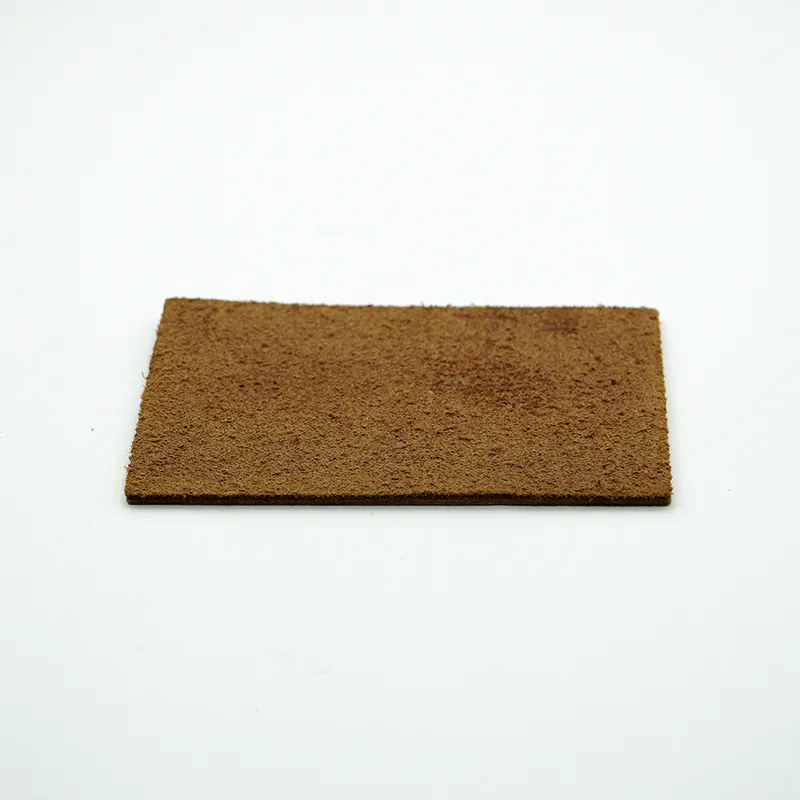
What Is Microfiber Leather?
Microfiber leather is an advanced synthetic leather designed to mimic genuine leather more closely.
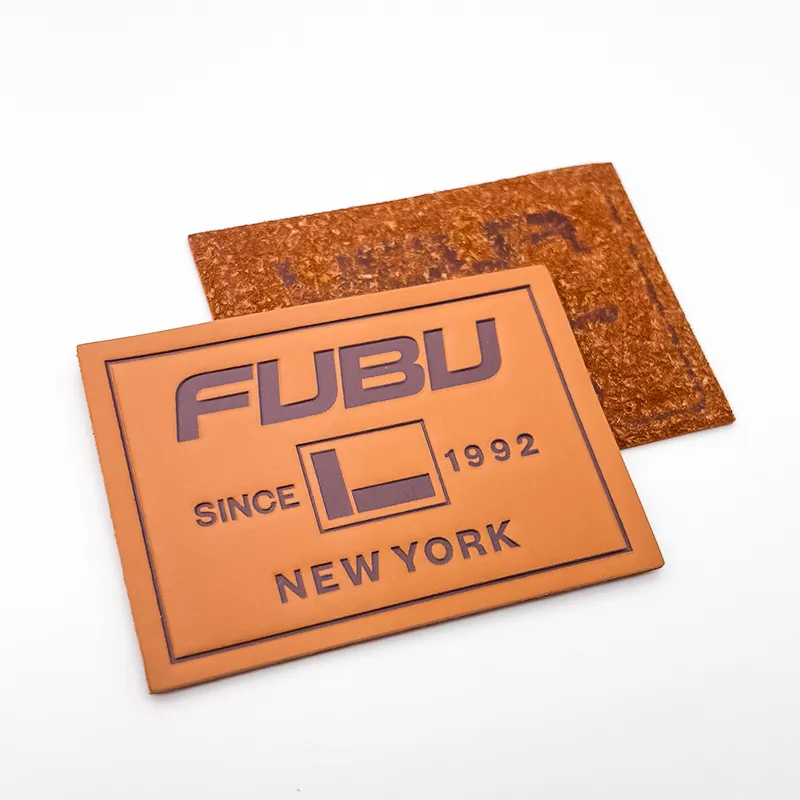
Key Characteristics
- Finer texture
- More natural surface appearance
- Better wear resistance
- Stronger shape retention
👉 Widely used by:
- Mid-to-high-end sports brands
- Outdoor apparel brands
Advantages of Microfiber Leather Patches
- ✔ Premium hand feel
- ✔ Excellent abrasion resistance
- ✔ Better structural stability
- ✔ Strong color consistency
- ✔ Suitable for both thin and thick constructions
Limitations of Microfiber Leather
- Higher cost than standard PU
- Very deep embossing may slightly rebound, reducing edge sharpness
👉 Requires proper mold and pressure control.
Best Applications for Microfiber Leather Patches
- Outdoor products
- Functional apparel
- Performance sportswear
- Premium branding projects
3. Why Do Premium Brands Still Choose Genuine Leather?
Short Answer:
Because genuine leather provides authentic texture and natural luxury that synthetic materials cannot fully replicate.

What Makes Genuine Leather Special?
Common types include:
- Cowhide
- Sheepskin
Unique Characteristics
- Natural grain texture
- Organic touch and appearance
- Develops vintage patina over time
👉 Creates strong premium and heritage positioning.
Advantages of Genuine Leather Patches
- ✔ Authentic luxury appearance
- ✔ Natural texture variation
- ✔ Unique aging effect
- ✔ Strong premium perception
Limitations of Genuine Leather
- Higher cost
- Natural color variation between batches
- Thickness and grain inconsistency
- Sensitive to humidity and sunlight
Possible long-term changes:
- Darkening
- Surface variation
- Patina development
👉 These are natural material characteristics—not defects.
Best Applications for Genuine Leather Patches
- Premium fashion brands
- Vintage collections
- Denim products
- Workwear and heritage styles
How Should Brands Choose Between PU, Microfiber, and Genuine Leather?
Short Answer:
The best choice depends on brand positioning and product requirements.
Practical B2B Selection Guide
Choose PU Leather If:
- Cost efficiency is important
- You need stable bulk production
- You require many color options
Choose Microfiber Leather If:
- Durability matters
- You want a premium synthetic solution
- Product positioning is mid-to-high-end
Choose Genuine Leather If:
- Authentic luxury is the priority
- Natural aging effect is desired
- Brand focuses on craftsmanship and heritage
What Is the Most Important Factor in Leather Patch Development?
Short Answer:
Matching the material with the brand image and application scenario.
Professional Insight
A successful leather patches project is not about selecting the “most expensive” material—it is about choosing the material that best aligns with:
- Brand identity
- Product function
- Expected lifespan
- Production scalability
👉 The right material enhances both product quality and brand perception.
Conclusion
When developing leather patches, material selection is one of the most important decisions in the entire branding process.
- PU leather → versatile and cost-effective
- Microfiber leather → durable and premium
- Genuine leather → authentic and luxurious
👉 There is no universal “best” option—only the material that best matches your brand strategy, product positioning, and customer expectations.
About Author
——————————————————————————————————————————————

Jason
Sales Manager
With extensive industry knowledge and a responsible work ethic, I deliver professional guidance and reliable support for every client collaboration.
——————————————————————————————————————————————