A hockey iron on patch is a heat-activated patch commonly used on hockey jerseys, warm-ups, and fan apparel. For reliable results, designers must plan proper artwork, confirm fabric compatibility, and follow strict heat, pressure, and testing guidelines before bulk application.
What Is a Hockey Iron On Patch?
A hockey iron on patch is a heat-transfer patch designed to be applied using controlled temperature and pressure. Instead of sewing, the patch bonds to the fabric surface, making it ideal for jerseys and performance apparel where flexibility and speed of application matter.
For teams and brands, iron on patches allow consistent graphics without slowing production.

Why Iron On Patches Are Popular in Hockey Apparel
Hockey garments often involve synthetic fabrics, stretch panels, and layered construction. Iron on patches help avoid needle damage while supporting fast customization.
Key benefits include:
- clean, flat appearance
- quick installation on jerseys
- suitability for names, numbers, and logos
- efficient updates for seasons or tournaments
However, success depends on correct application and testing.
Popular Design Styles for Hockey Iron On Patches
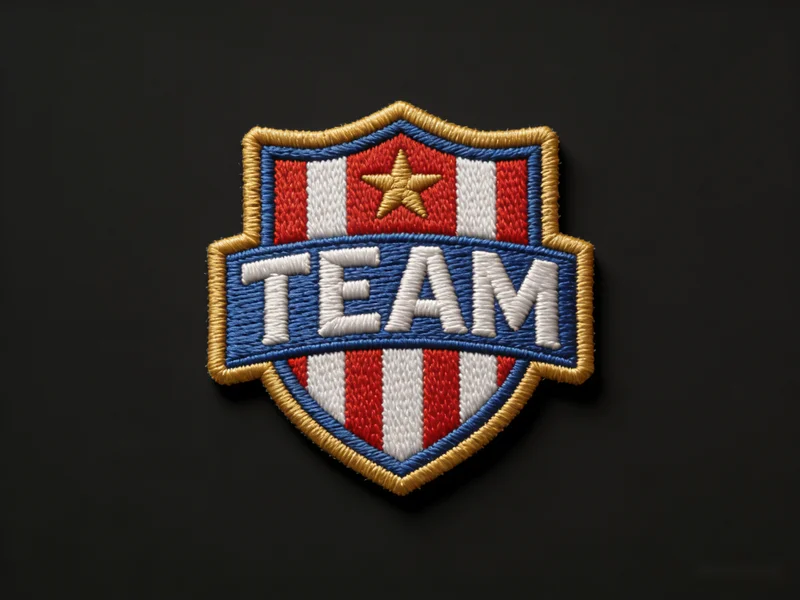
Team Logo Patches
Crest-style or shield logos designed with bold shapes and limited detail.
Number & Name Elements
Flat designs that maintain readability during movement.

Event & Tournament Patches
Special-edition graphics for championships or matches.

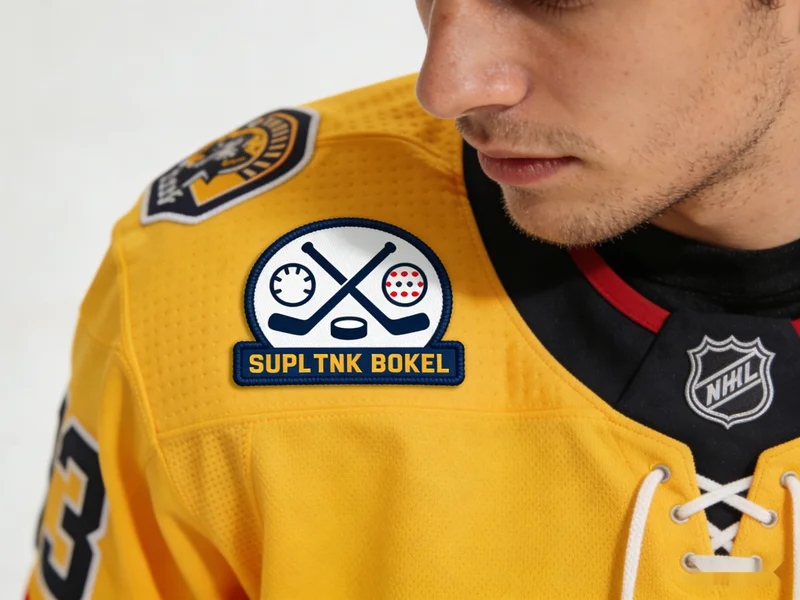
Minimal Graphic Badges
Simple icons or symbols placed on shoulders or chest areas.
Designs should remain bold and uncomplicated.
Design Considerations for Iron On Hockey Patches
Simplified Artwork
Fine lines and tiny details may not transfer cleanly.
High Contrast Colors
Enhances visibility on fast-moving athletes.
Flat, Solid Areas
Large filled shapes bond more reliably than fragmented details.
Edge Definition
Clean edges improve durability after washing.
Designs should prioritize function over decoration.
Fabric Compatibility: Why Testing Is Critical
Hockey jerseys use a wide range of fabrics, including polyester meshes and performance knits. Not all fabrics respond the same way to heat.
Fabric testing is mandatory before bulk production to avoid:
- fabric scorching
- adhesive failure
- color migration
- texture distortion
Designers should always request pre-production testing.
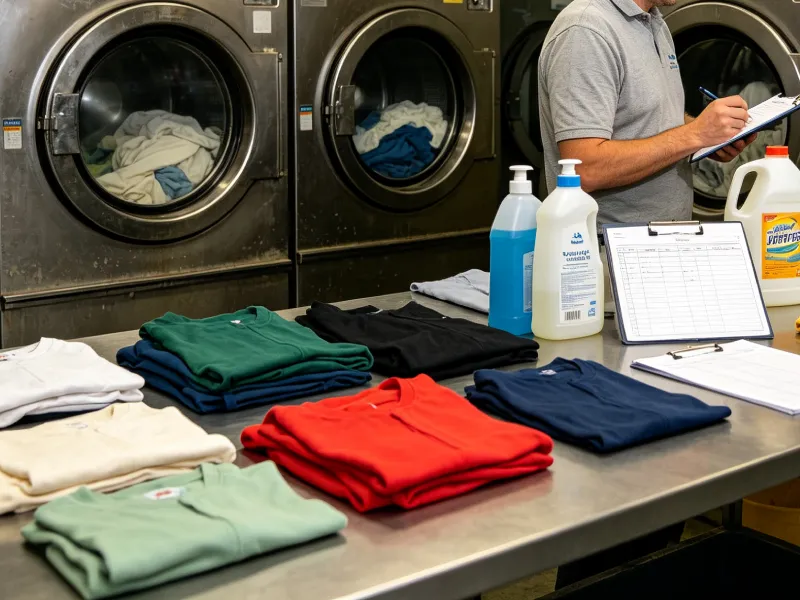
Water Wash Testing: Do Not Skip This Step
Even if a patch looks perfect after application, durability must be verified.
Wash testing helps confirm:
- bond strength after laundering
- edge lifting resistance
- color stability
- long-term appearance
Skipping wash tests increases the risk of returns and rework.
Heat Transfer Application Guidelines
Correct installation is just as important as design.
Designers and production teams must follow:
- specified temperature range
- recommended pressure level
- correct dwell time
Never exceed or guess settings. Each hockey iron on patch is engineered for specific conditions.
Common Application Mistakes to Avoid
Overheating the Fabric
Can damage jerseys or distort patches.
Insufficient Pressure
Leads to weak bonding and early peeling.
Skipping Test Presses
Always test before full production.
Applying on Uneven Surfaces
Seams and textures reduce adhesion.
Avoiding these mistakes protects product quality.
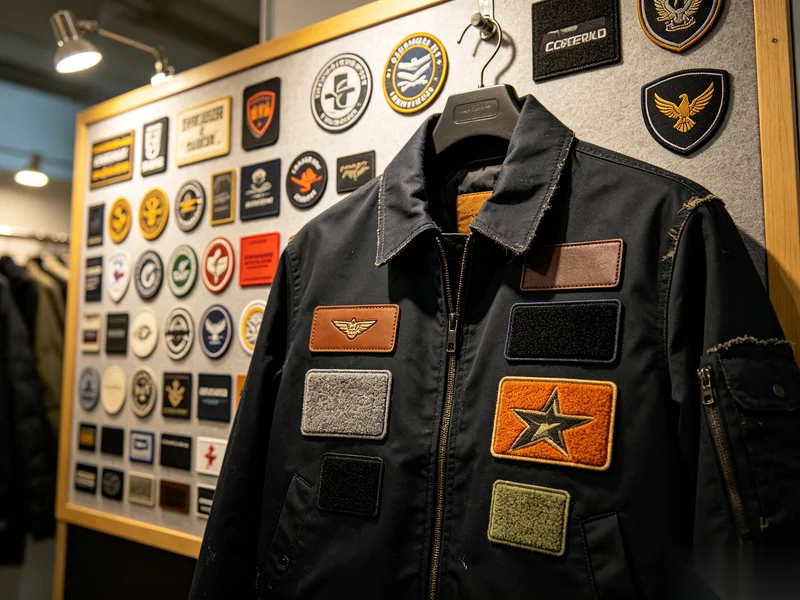
Placement Tips for Hockey Iron On Patches
Chest & Crest Areas
Ideal for team identity patches.
Shoulder Placement
Popular for league or sponsor patches.
Sleeve Areas
Works well for numbers or secondary graphics.
Flat Zones Only
Avoid mesh transitions or seam intersections.
Placement should always consider garment construction.
Iron On Patch vs Sew-On Patch in Hockey
| Aspect | Iron On Patch | Sew-On Patch |
|---|---|---|
| Application speed | Fast | Slower |
| Fabric damage risk | Low | Moderate |
| Surface finish | Flat | Textured |
| Testing requirement | High | Moderate |
Iron on patches demand stricter control but offer efficiency.
Best Practices for B2B Hockey Patch Programs
For teams, leagues, and apparel brands:
- request fabric test reports
- approve wash test results
- document heat press settings
- train installation staff
These steps reduce risk and ensure consistency.
FAQ: Hockey Iron On Patch
Q: Are hockey iron on patches suitable for game jerseys?
Yes, when correctly tested and applied.
Q: Can iron on patches handle frequent washing?
Only if wash testing is completed in advance.
Q: Is heat transfer safe for mesh jerseys?
It can be, but fabric testing is essential.
Q: Can installation settings vary by fabric?
Yes, temperature and pressure may need adjustment.
Conclusion
A hockey iron on patch offers speed, flexibility, and clean aesthetics for modern hockey apparel—but only when supported by proper design planning and strict application control. Designers must simplify artwork, choose appropriate placements, and prioritize fabric testing, wash testing, and correct heat-press settings.
For B2B buyers, teams, and apparel manufacturers, following these guidelines ensures iron on patches perform as intended—on the ice, in the locker room, and through repeated wear and washing.
About Author
——————————————————————————————————————————————

Apollo
Senior E-commerce Manager
Apollo is an experienced e-commerce manager specializing in patches, apparel accessories, and digital marketing, helping global textile brands grow with proven online strategies.
——————————————————————————————————————————————