Heat transfer printing is a decoration method that uses heat and pressure to transfer designs onto fabric or other surfaces. It allows brands to apply detailed graphics, photos, or text with flexibility, making it ideal for short runs, customization, and design-driven apparel programs.
What Is Heat Transfer Printing?
Heat transfer printing is a process where a pre-printed design—created on transfer paper or film—is applied to a garment using a heat press. Under controlled temperature and pressure, the design bonds to the fabric surface.
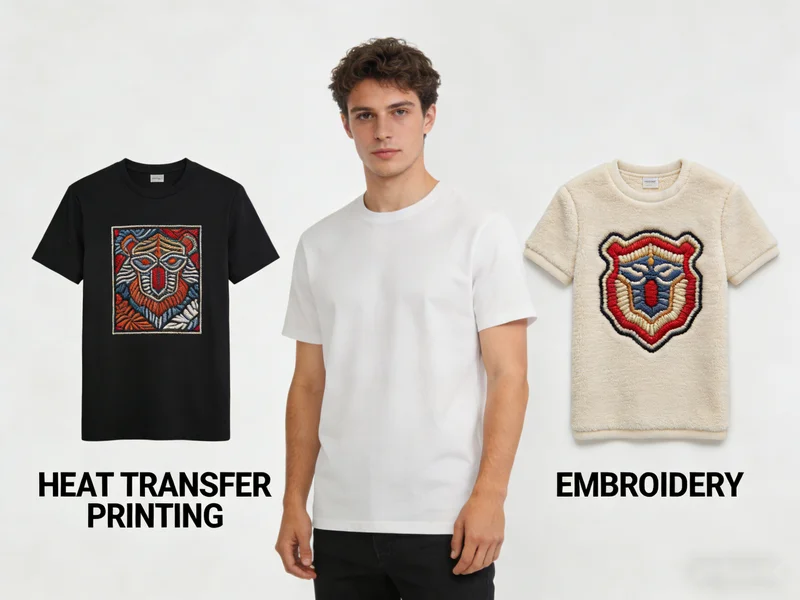
Unlike embroidery, heat transfer printing focuses on visual accuracy and flexibility, rather than texture.
Why Brands Choose Heat Transfer Printing
Heat transfer printing is popular because it adapts easily to modern apparel needs.
Brands use it to:
- reproduce complex artwork
- achieve smooth, flat finishes
- support fast customization
- reduce setup time for small batches
This makes it especially attractive for fashion, promotional apparel, and private-label programs.
Common Applications of Heat Transfer Printing
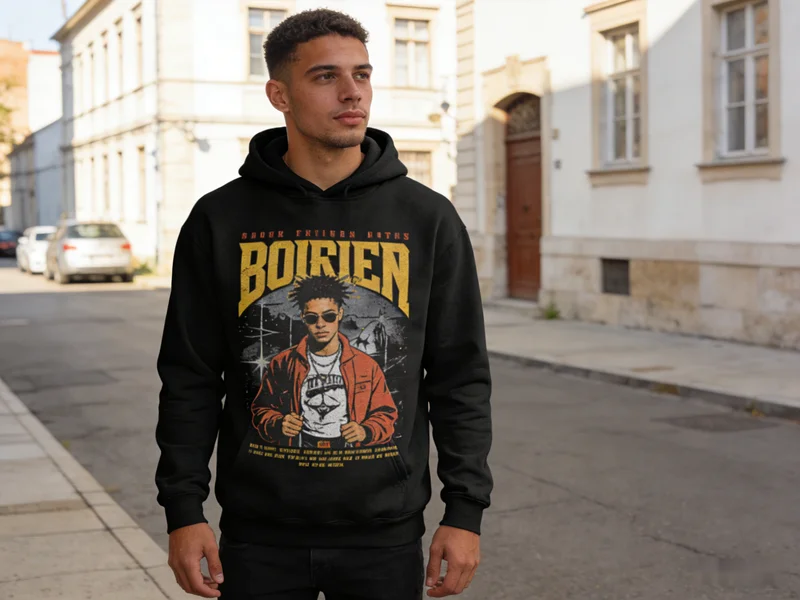
Fashion & Streetwear
Designers use heat transfers to apply illustrations, typography, and artistic graphics without stitch limitations.
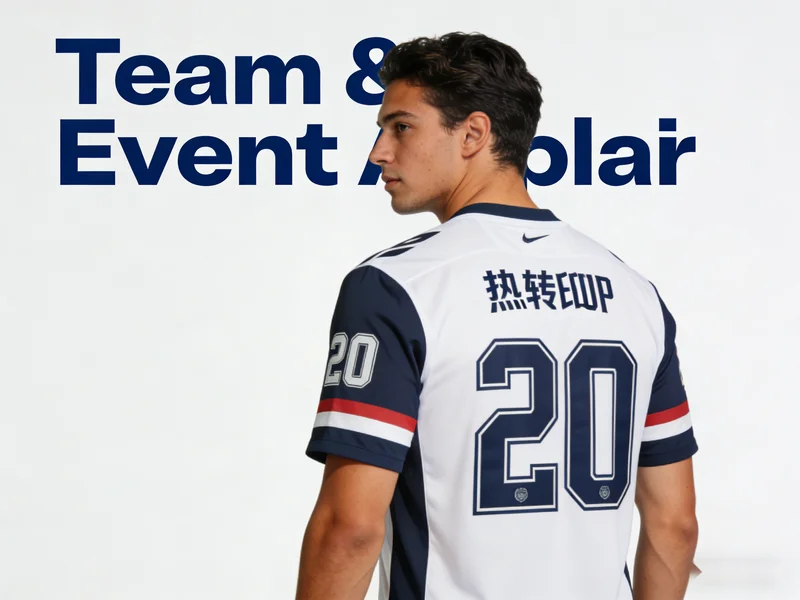
Team & Event Apparel
Heat transfer printing supports names, numbers, and event-specific designs efficiently.
Promotional Clothing
Logos and messages can be added quickly for campaigns and giveaways.
Accessories & Non-Woven Items
Bags, caps, and performance fabrics often use heat transfer methods.
Design Ideas That Work Well with Heat Transfer Printing
Photographic & Gradient Artwork
Heat transfer printing handles color transitions better than embroidery.

Fine-Line Typography
Thin fonts and detailed text remain crisp and readable.
Large Graphic Statements
Oversized front or back designs benefit from the flat application.
Seasonal or Limited Designs
Transfers are ideal for short-term collections that change frequently.
These ideas emphasize creativity over structure.
Heat Transfer Printing vs Embroidery
| Aspect | Heat Transfer Printing | Embroidery |
|---|---|---|
| Visual detail | Very high | Moderate |
| Texture | Flat | Raised |
| Flexibility | High | Limited |
| Best for | Graphics & photos | Logos & symbols |
Understanding this difference helps brands select the right method.
When Heat Transfer Printing Makes the Most Sense
Heat transfer printing is often the best choice when:
- designs include photos or gradients
- customization is required
- production volumes are limited
- turnaround time is tight
It complements, rather than replaces, embroidery in many collections.
Design Tips for Successful Heat Transfer Printing
Use High-Resolution Artwork
Better source files produce cleaner results.
Mind Garment Color
Contrast improves visibility and impact.
Avoid Overcrowding
Clean layouts age better and feel more intentional.
Plan Placement Early
Design placement affects wearability and visual balance.
Heat Transfer Printing in B2B Apparel Programs
For B2B buyers, heat transfer printing offers agility.
It allows brands to:
- test new designs quickly
- customize apparel per order
- reduce inventory risk
- respond to market trends
This flexibility is valuable for modern apparel supply chains.
Design Inspiration: Current Heat Transfer Trends
Today’s designs often feature:
- minimal color palettes
- bold typography
- photo-based storytelling
- layered graphic compositions
These trends highlight heat transfer printing as a creative tool.
FAQ: Heat Transfer Printing
Q: Is heat transfer printing durable?
When applied correctly, it offers good durability for everyday wear.
Q: Can heat transfer printing be used on all fabrics?
It works best on compatible fabrics like cotton blends and performance materials.
Q: Is heat transfer printing suitable for large orders?
It is often used for small to medium runs, but can scale when needed.
Q: Does heat transfer printing feel heavy?
Well-designed transfers remain flexible and comfortable.
Conclusion
Heat transfer printing is a versatile and design-friendly solution for modern apparel decoration. By enabling high-detail graphics, fast customization, and flexible production, it empowers brands to experiment, personalize, and respond quickly to changing demands.
For B2B apparel brands, designers, and uniform programs, heat transfer printing is a valuable complement to embroidery—opening new creative possibilities while keeping production efficient and adaptable.
About Author
——————————————————————————————————————————————

Apollo
Senior E-commerce Manager
Apollo is an experienced e-commerce manager specializing in patches, apparel accessories, and digital marketing, helping global textile brands grow with proven online strategies.
——————————————————————————————————————————————