Cycling apparel is designed for performance, comfort, and durability. Unlike ordinary casual clothing, cycling jerseys and shorts must meet specific requirements: moisture management, elasticity, lightweight construction, breathability, and long-lasting performance.
These special fabric characteristics also influence the choice of garment labels, logos, and trims.
A label that works perfectly on a cotton T-shirt may not be suitable for a high-performance cycling jersey. The wrong material or construction can affect comfort, flexibility, appearance, and even the garment’s durability.
So, what should apparel brands consider when selecting labels and trims for cycling apparel?
Let’s explore the key fabric characteristics and the best trim solutions for each application.
Understanding the Key Characteristics of Cycling Apparel Fabrics
Before choosing labels and trims, it is important to understand the fabrics commonly used in cycling apparel.
1.1 High Stretch and Elasticity
Most cycling jerseys and shorts use stretch fabrics, commonly made from polyester, nylon, and elastane (spandex).
These materials allow the garment to fit closely to the body while maintaining freedom of movement. Cycling shorts, in particular, need excellent stretch and recovery to maintain a comfortable fit during long rides.
What does this mean for labels and trims?
Labels should be lightweight, flexible, and capable of following the movement of the fabric. Thick, rigid labels or bulky edges may create discomfort or interfere with the garment’s natural stretch.
Recommended options:
Soft heat transfer labels
Flexible silicone logos
Lightweight stretch-compatible printed labels
1.2 Moisture-Wicking and Quick-Drying Performance
Cycling generates considerable body heat and sweat. Therefore, cycling fabrics are often engineered to transport moisture away from the skin and dry quickly.
Polyester is widely used because of its moisture-management properties, while certain nylon and blended fabrics offer different combinations of softness, durability, and comfort.
What does this mean for labels and trims?
Labels should not unnecessarily compromise the fabric’s breathability or create uncomfortable areas against the skin.
Recommended options:
Thin heat transfer labels
Lightweight printed care labels
Soft, low-profile branding applications
1.3 Lightweight Construction
Every detail matters in performance cycling apparel. Lightweight fabrics help reduce unnecessary weight and improve wearing comfort.
Adding heavy or oversized labels can work against the garment’s lightweight design.
What does this mean for labels and trims?
Keep branding elements lightweight and proportionate to the garment. Avoid unnecessarily thick materials, bulky stitching, or heavy backing layers.
Recommended options:
Thin silicone prints
Lightweight heat transfer logos
Fine woven labels for external applications
1.4 Breathability and Soft Hand Feel
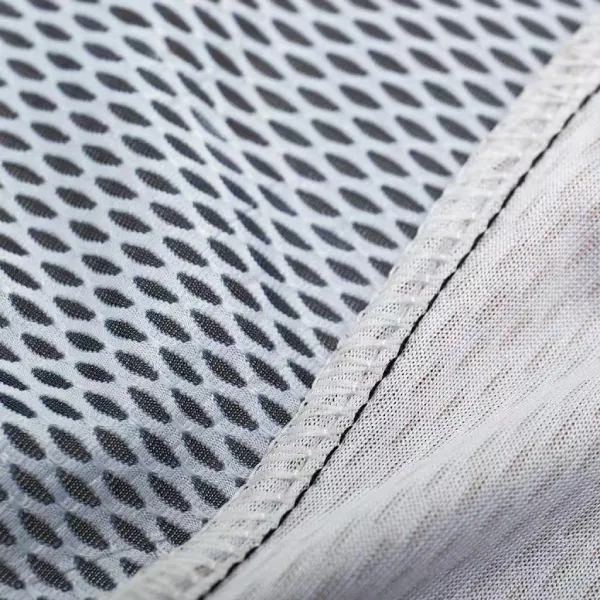
Many cycling fabrics feature mesh structures or specialized knitting techniques to improve airflow and ventilation.
These fabrics are often soft and lightweight, especially in areas where the garment comes into direct contact with the skin.
What does this mean for labels and trims?
The comfort of the wearer should always come first. Labels placed against the skin should have smooth edges, a soft hand feel, and minimal thickness.
Recommended options:
Soft printed labels
Heat transfer labels with smooth edges
Soft woven labels placed in suitable external or non-contact areas
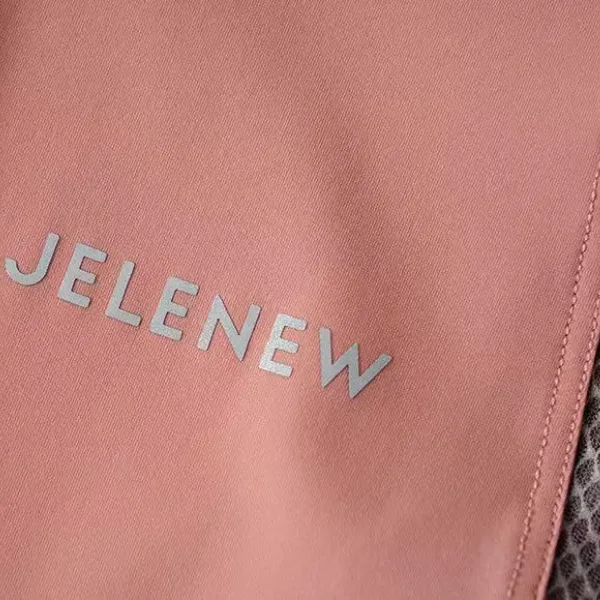
1.5 Durability and Frequent Washing
Cycling apparel is frequently exposed to sweat, friction, sunlight, and repeated washing. Its labels and logos must maintain their appearance and attachment throughout the garment’s service life.
What does this mean for labels and trims?
Colorfastness, wash resistance, adhesion, and compatibility with the garment fabric are essential considerations.
Recommended options:
Wash-tested silicone logos
Durable heat transfer labels
High-quality woven labels
Printed care labels with suitable ink and substrate combinations
The final solution should always be validated through testing on the actual garment fabric.
Which Labels and Trims Are Best for Different Parts of Cycling Apparel?
Different garment positions have different functional requirements. There is no single label solution that works best everywhere.
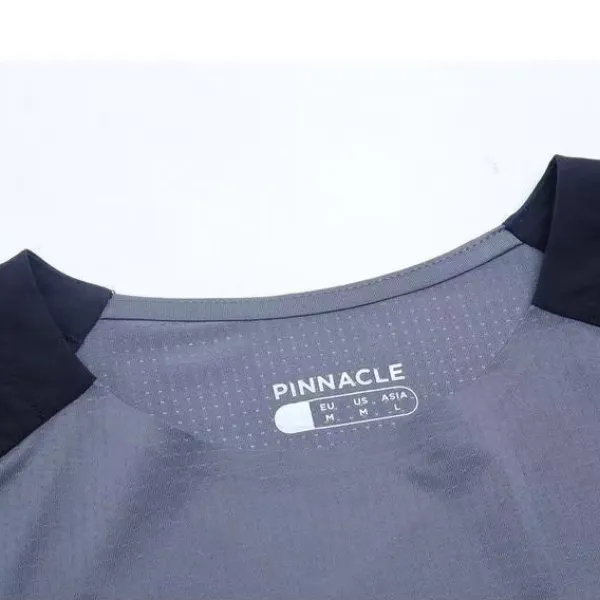
2.1 Heat Transfer Labels – Ideal for Inner Neck Branding
Heat transfer labels are widely used in performance sportswear because they can provide a clean, lightweight, and low-profile branding solution.
Without traditional sewn edges, they can reduce the risk of irritation against the skin.
They are particularly suitable for:
Inner neck size and brand information
Care and composition information
Small logos and technical information
Important: The adhesive, transfer film, printing system, and application temperature must be compatible with the cycling fabric. Stretch and repeated-wash testing are recommended.
2.2 Silicone Logos – For a Premium and Technical Look
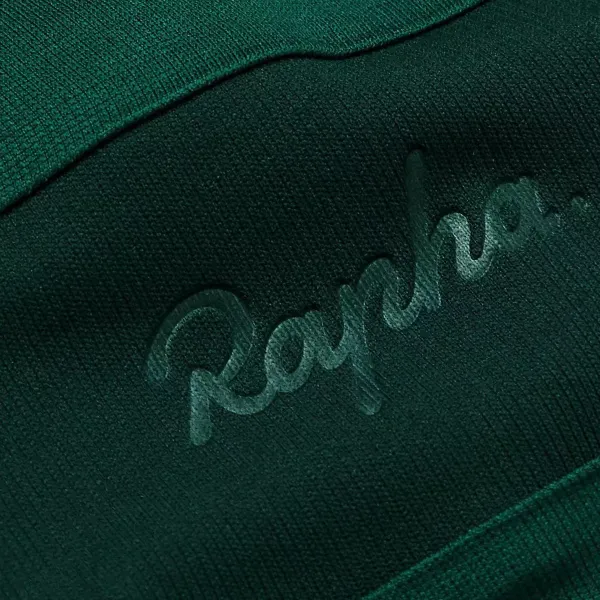
Silicone labels and logos are popular in sportswear because they offer a distinctive three-dimensional appearance and a soft-touch finish.
Depending on the formulation and construction, silicone can provide:
Flexible and soft hand feel
Raised or textured visual effects
Finitions mates ou brillantes
Multi-color and customized designs
For cycling jerseys, silicone logos can be applied to the chest, sleeves, back pockets, or other external areas.
For highly elastic fabrics, the silicone construction and bonding process must be carefully selected to prevent cracking, peeling, or discomfort during movement.
2.3 Reflective Transfers – Enhancing Visibility
Visibility is an important consideration for cyclists, especially when riding in low-light conditions.
Reflective transfers can be incorporated into cycling jerseys, jackets, and shorts to help improve visibility when illuminated by external light sources.
They can be used for:
Reflective brand logos
Decorative reflective graphics
Functional reflective details on sleeves and back panels
Reflective performance depends on the material, construction, application, and testing conditions. Brands should define their required reflectivity and durability standards before production.
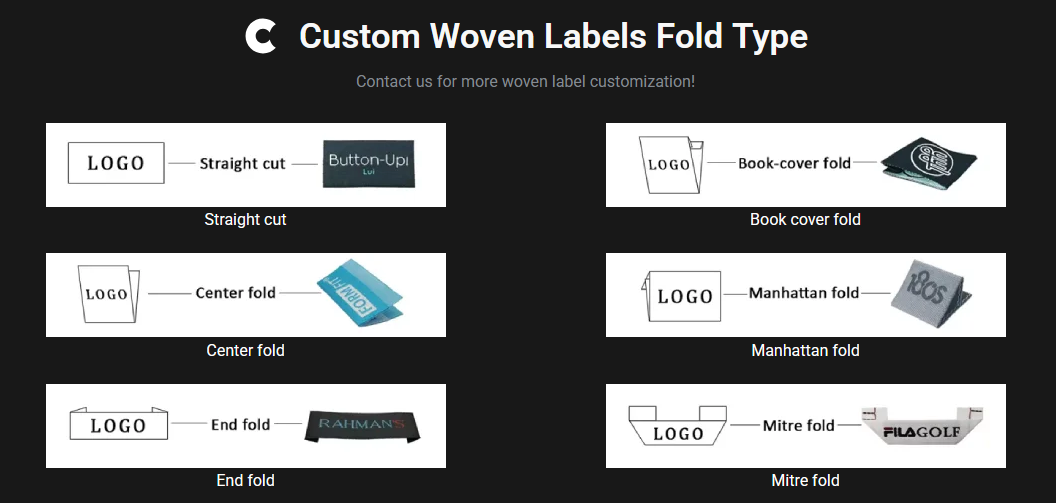
2.4 Woven Labels – For Brand Identity and Premium Details
Although cycling apparel focuses heavily on performance, brand identity remains important.
Woven labels can add a premium and distinctive touch, particularly on external areas such as:
Back pockets
Waistbands
Side seams
Packaging and accessories
For cycling apparel, we recommend considering lightweight woven constructions with soft edges and suitable finishing.
The label placement should also be evaluated to avoid unnecessary friction against the skin.
2.5 Printed Care Labels – Clear Information Without Extra Bulk
Cycling garments often require detailed care instructions because of their technical fabrics and functional construction.
Printed care labels can communicate:
Fiber composition
Washing and drying instructions
Size information
Country of origin
Brand and product information
Soft materials and clear, durable printing are important to ensure that the information remains readable after repeated washing.
Five Important Factors When Selecting Trims for Cycling Apparel
Choosing the right trim is not simply about appearance. It requires understanding how the label interacts with the garment.
- Fabric Compatibility
Always consider the fabric composition, stretch, surface structure, and finishing before selecting a label or transfer.
- Flexibility and Thickness
A label should move naturally with the garment. Excessive thickness or stiffness may affect comfort and appearance.
- Skin Comfort
For labels positioned next to the body, soft materials, smooth edges, and low-profile construction are essential.
- Washing and Durability
Cycling apparel is exposed to sweat and frequent washing. Test the complete label-and-fabric combination rather than relying only on the label’s individual test results.
- Branding and Design
Different branding techniques create different visual effects. Silicone offers a dimensional look, heat transfer creates a clean appearance, reflective materials add functional visibility, and woven labels provide a traditional textile identity.
The best solution balances performance, comfort, appearance, and cost.
Why Work with a Specialized Garment Accessories Manufacturer?
For sportswear and cycling apparel brands, choosing the right trim supplier can make a significant difference.
At Qinghan, we understand that performance apparel requires more than attractive branding. Labels and trims must work together with the garment’s fabric, construction, and intended use.
With 28 years of experience in garment accessories manufacturing, Qinghan provides a wide range of customized solutions, including:
- Woven labels
- Printed care labels
- Silicone and TPU logos
- Heat transfer labels
- Reflective transfers
- Embroidered patches
- Customized branding and packaging accessories
Our design and R&D team can help develop suitable trim solutions based on your fabric samples, artwork, application requirements, and target performance.
From the first concept to sample development and mass production, we aim to help brands create better-performing and more distinctive apparel products.
Réflexions finales
Cycling apparel fabrics are designed for movement, comfort, and performance. The labels and trims used on these garments should follow the same principles.
A good label should not simply look attractive. It should be lightweight, flexible, comfortable, durable, and compatible with the fabric.
The right trim choice helps protect the garment’s performance while strengthening brand identity.
Looking for customized labels and trims for your cycling apparel collection?
Contact Qinghan to discuss your project. Share your fabric samples, artwork, or application requirements, and our team will help you explore the right solution.
Qinghan – Your One-Stop Garment Accessories Partner.
À propos de l'auteur
——————————————————————————————————————————————

Vicky
Directeur des ventes
Forte d'une vaste expérience dans le secteur et d'un ensemble de compétences bien équilibré, j'excelle à la fois dans la collaboration en équipe et dans le service à la clientèle, en faisant toujours preuve de professionnalisme et d'efficacité afin de garantir la meilleure expérience possible pour le client.
——————————————————————————————————————————————