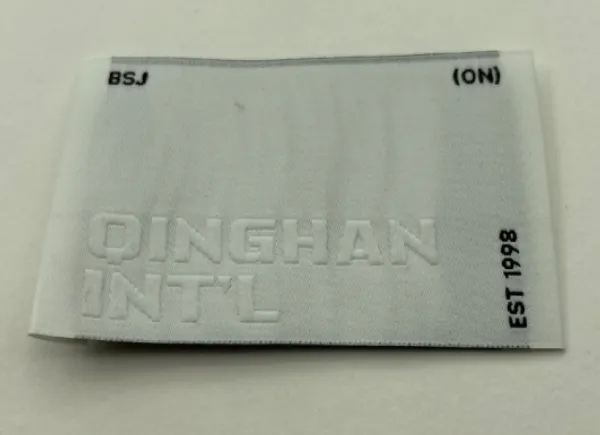
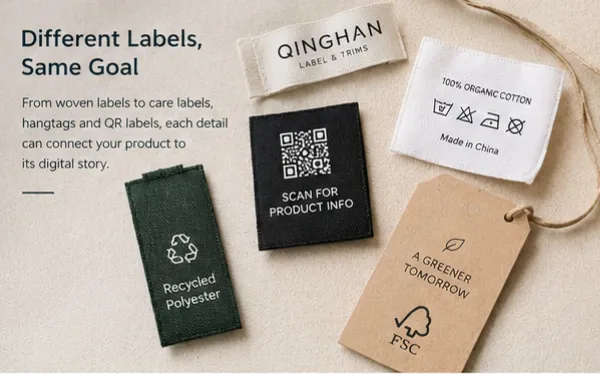
When developing sew-on labels and patches, the garment factory should be one of the key parties involved from the beginning.
Why? Because a design that looks good on its own may not always deliver the best result when sewn onto a garment.
Several details can directly affect the final appearance and sewing process.
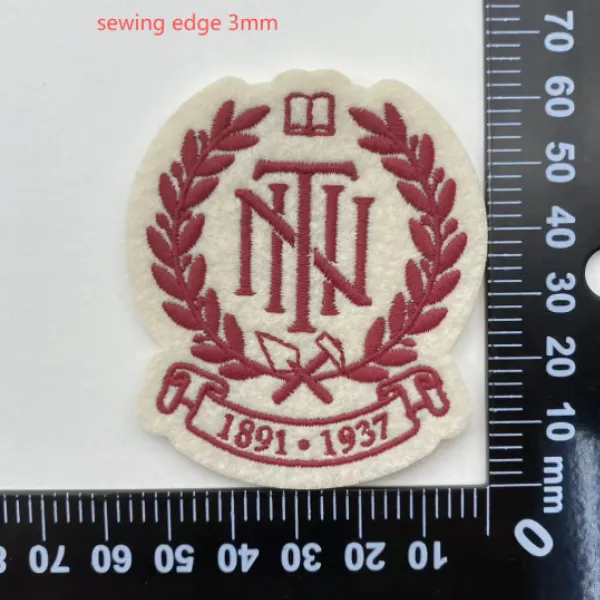
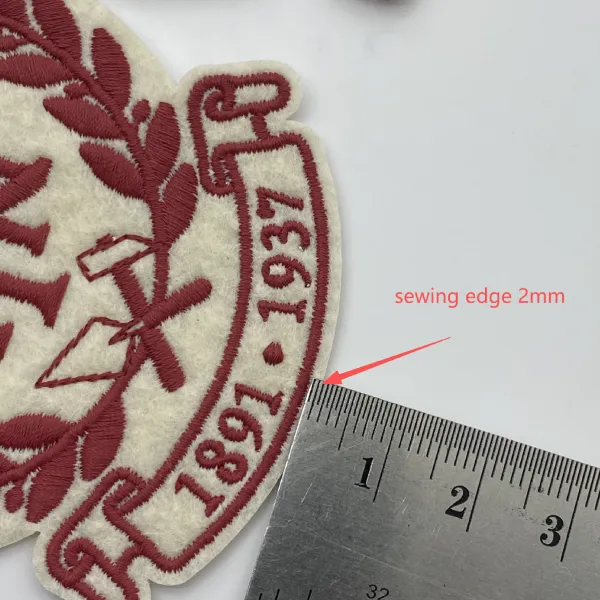
Border Allowance
The space reserved around the logo determines where the stitching can be placed. If the border is too narrow, sewing may damage the design or affect its appearance.
Logo Shape and Sharp Corners
Irregular shapes can make sewing more challenging, especially when the design includes very tight corners or sharp turns.
The sewing machine needs enough space to follow the outline smoothly. Sharp corners may require slower sewing, additional adjustments, or changes to the original design. In some cases, the final stitched result may not fully match the original shape.
A design that works well on screen may not always be practical for sewing onto a garment.
Thickness and Flexibility
A label or patch that is too thick or stiff may not follow the shape of the garment well, especially on lightweight fabrics. It can also make sewing more difficult, depending on the material and construction.
Sewing Method and Position
Different sewing methods can affect both the appearance and durability of the finished product. Some labels are sewn along the edges, while others are inserted into garment seams. The best method depends on the label’s design, structure, and application.
These details may seem minor during the design stage, but they can make a significant difference once the label or patch is attached to the garment.
Why Early Communication Matters
The design team understands the brand’s visual requirements, the trims manufacturer understands the materials and production possibilities, and the garment factory understands the actual sewing process.
Bringing these perspectives together early helps identify potential problems, reduce unnecessary adjustments, and achieve a better final result.
At QINGHAN, we believe successful trim development is not just about making a logo. It is about making sure the logo works well on the finished garment.
Acerca del autor
——————————————————————————————————————————————

Jason
Director de ventas
Con amplios conocimientos del sector y una ética de trabajo responsable, ofrezco orientación profesional y apoyo fiable para cada colaboración con el cliente.
——————————————————————————————————————————————