When choosing custom silicone patches, brands often focus on logo color, size, thickness, and 3D effects. However, the background texture is another important detail that can significantly influence the finished appearance. Knife edge mold silicone and laser mold silicone use different mold-making approaches, which can affect how background patterns and fine surface details are produced.
Why Does Background Texture Matter in Silicone Patches?
Silicone patches are widely used on sportswear, outdoor clothing, hats, bags, footwear, and other branded products.
Their appearance is not determined by the logo alone. The background surrounding the logo also plays an important role in the overall design.
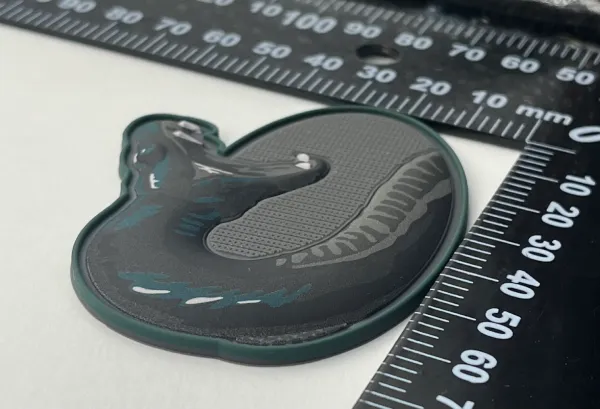
If you examine different silicone patches closely, you may notice that some have relatively smooth backgrounds, while others feature fine dots, grid patterns, or subtle textured surfaces.
These differences are related to several production factors, including mold-making methods, mold surface treatment, silicone material, and molding conditions.
Two approaches worth understanding are knife edge mold making and laser mold making. Knowing how they differ can help apparel brands make better decisions when developing custom silicone patches.
What Is Knife Edge Mold Silicone?
Knife edge mold making is a mold-production approach that uses cutting or machining methods to create the required mold outline and structural details.
In silicone patch manufacturing, the mold determines important product features such as the outer shape, logo outline, raised areas, recessed areas, and dimensional structure.
The final surface appearance also depends on how the mold is designed and finished.
For some relatively simple silicone patch designs, a knife edge mold may be a suitable option, particularly when the background does not require highly detailed or customized surface patterns.
However, the actual background finish is not determined by the cutting method alone. Additional mold surface treatment and production requirements also need to be considered.
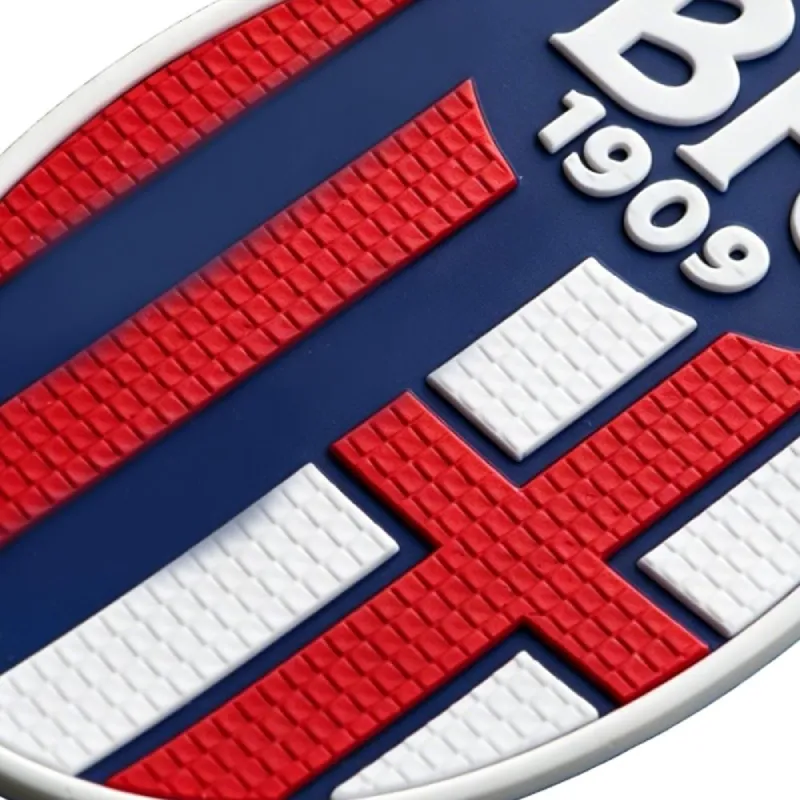
What Is Laser Mold Silicone?
Laser mold making uses laser equipment to process selected areas of a mold surface with fine detail.
Compared with conventional outline-focused machining approaches, laser processing offers greater flexibility for producing certain intricate patterns, graphic details, and surface textures.
For silicone patches, this can be particularly useful when the background needs a distinctive textured appearance.
Depending on the mold material, laser equipment, processing parameters, and design requirements, possible background effects include:
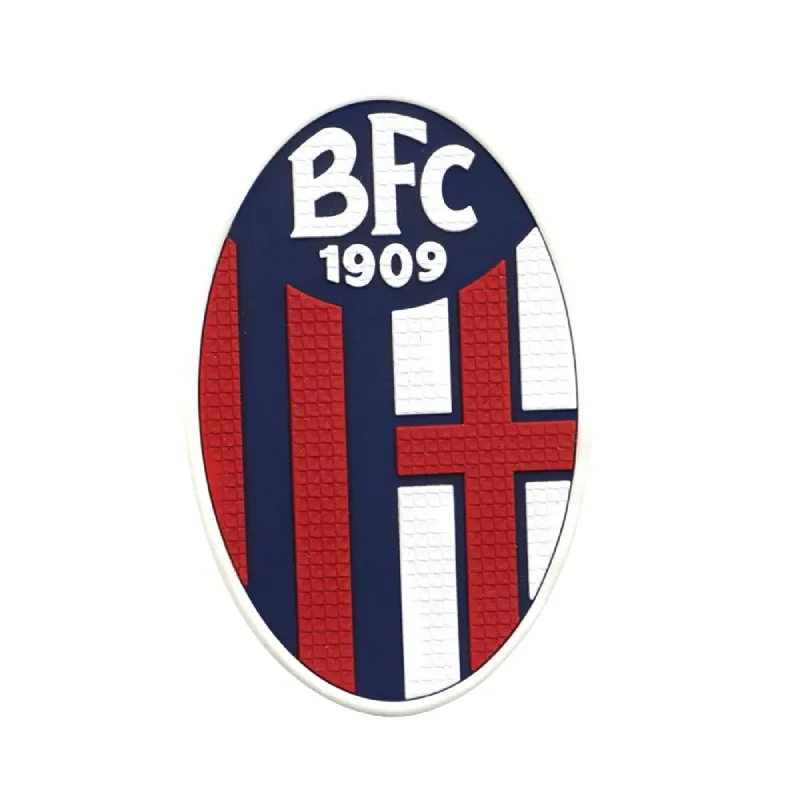
- Fine dot texture: Small, closely spaced dots create a subtle patterned surface.
- Grid texture: Repeated geometric lines form a structured background.
- Matte or frosted texture: A fine surface finish creates a softer visual appearance.
- Custom graphic patterns: Selected decorative elements can be incorporated into the background design.
These textures help transform a plain background into a more detailed design element.
Laser processing does not automatically guarantee every texture or level of detail. The achievable result depends on the mold material, laser parameters, and subsequent production process.
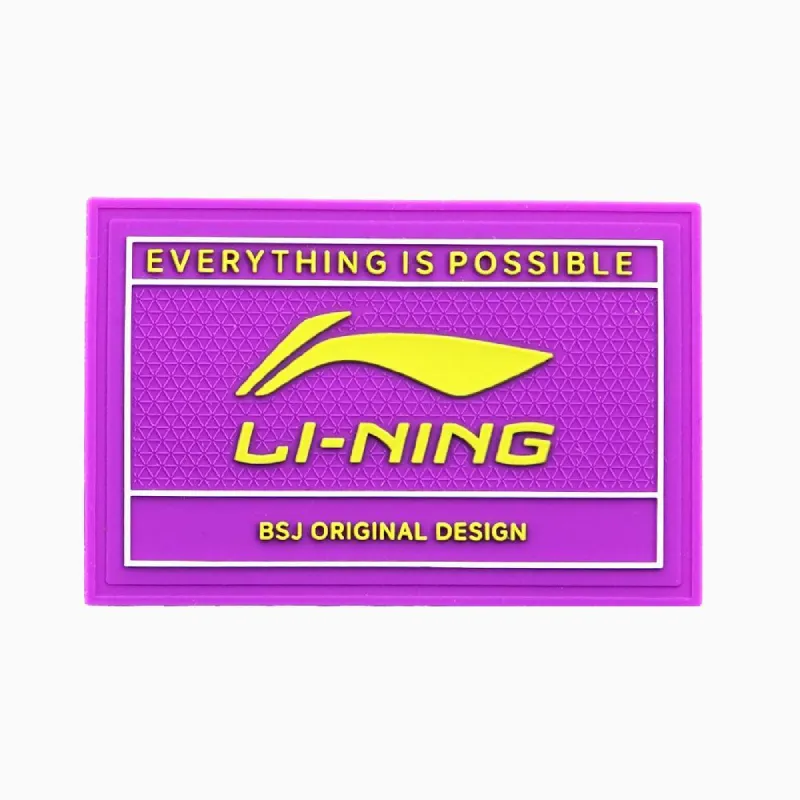
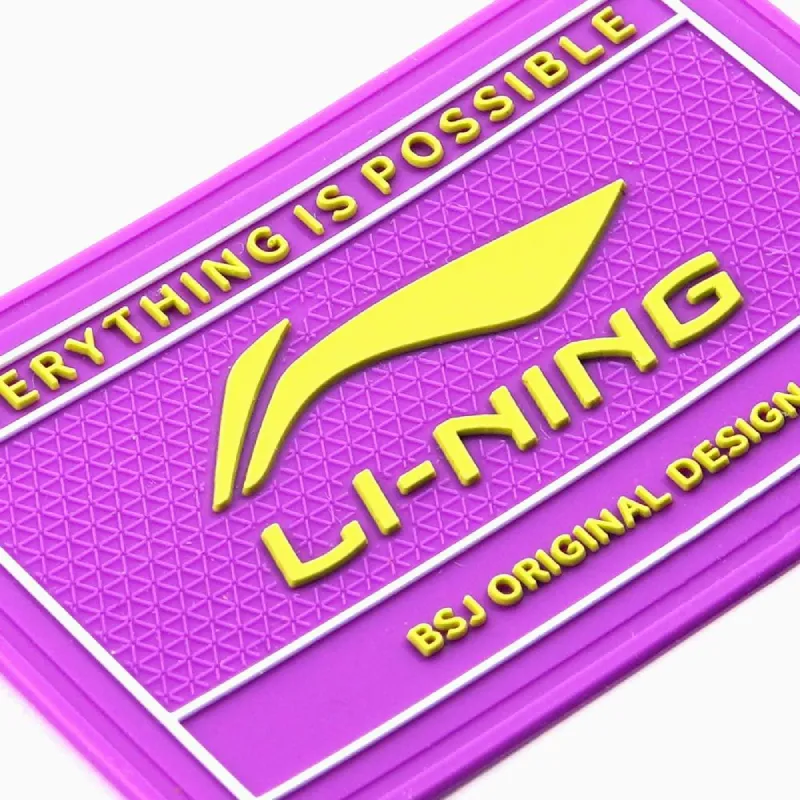
Knife Edge Mold Silicone vs. Laser Mold Silicone: What Are the Main Differences?
Both approaches can be used to develop silicone patch molds with different shapes and dimensional structures.
The most noticeable difference in many projects is the flexibility available for processing fine surface details, particularly background textures.
1. Different Background Texture Possibilities
The mold-making and surface-processing methods influence how background details can be created.
A knife edge mold may be suitable for designs with relatively straightforward structures and background requirements. Its final surface appearance depends on the mold design and any additional finishing processes.
Laser mold processing offers more options for creating fine, repeated, or customized surface patterns. This makes it worth considering when a brand wants the background to have a distinctive visual texture.
When comparing samples, pay close attention to the areas surrounding the logo rather than examining only the raised design.
2. Different Levels of Texture Design Flexibility
Background texture is not always a standard production detail. Some brands prefer a clean, smooth surface, while others want a more recognizable pattern.
Laser processing can provide additional flexibility for certain fine patterns, including small dots, geometric textures, and decorative details.
Knife edge mold making may be sufficient when the design focuses primarily on the product outline and main dimensional structure.
The right choice depends on the required pattern, mold construction, and production capabilities.
3. The Final Appearance Depends on More Than the Mold-Making Method
It is important to understand that the mold-making method alone does not determine the entire appearance of a silicone patch.
The final result can also be influenced by:
- Mold surface finish
- Silicone material and formulation
- Mold structure and depth
- Production and curing conditions
- Patch thickness and dimensional design
- Surface treatment and finishing requirements
For this reason, two silicone patches made using different mold-making approaches may have similar background appearances, while patches made using the same general approach may look different because of their surface treatments.
The best way to evaluate the result is to compare actual samples or confirm the proposed texture through a production test.
Comparison Table: Knife Edge Mold vs. Laser Mold
| Vergleich | Knife Edge Mold | Laser Mold |
|---|---|---|
| Main processing approach | Cutting or machining to form mold outlines and structures | Laser processing of selected mold areas |
| Main design focus | Product outline and structural details | Fine mold details and surface patterns |
| Background texture | Depends on mold design and surface finishing | Offers flexibility for certain fine and customized textures |
| Fine pattern processing | Depends on the selected machining method | Suitable for many intricate pattern requirements |
| Typical design consideration | Relatively straightforward structures | More detailed background and surface effects |
| Final result | Depends on mold construction and production | Depends on laser parameters, mold material, and production |
This is a general comparison rather than a fixed rule. Actual capabilities should be confirmed with the manufacturer based on the artwork and required mold specifications.
Why Should Apparel Brands Pay Attention to Silicone Patch Background Texture?
For apparel brands, a silicone patch is more than a logo attachment. It is also a visual branding element.
This is particularly important for sportswear, outdoor clothing, hats, backpacks, and footwear, where silicone patches are often used to create distinctive brand details.
A carefully selected background texture can offer several advantages.
1. Create Better Visual Separation Between the Logo and Background
A textured background can help distinguish the main logo from the surrounding surface.
For example, a raised logo placed against a fine dot or matte background may create a clearer visual hierarchy than a completely flat design.
The contrast does not always need to come from different colors. Differences in height, surface texture, and light reflection can also contribute to the effect.
2. Add More Surface Character
Different textures create different visual impressions.
A fine dot pattern may produce a technical appearance, while a subtle matte texture can create a more understated finish.
Choosing the right background helps the silicone patch match the overall style of the garment or accessory.
3. Make Simple Logo Designs More Distinctive
A relatively simple logo can become more visually interesting when combined with a carefully designed background.
Instead of adding unnecessary graphic elements to the logo itself, designers can use surface texture to create additional detail.
4. Expand Design Possibilities
Background patterns provide another way to customize silicone patches.
Brands can select a texture that matches their product positioning, logo style, and intended application rather than using the same plain background for every design.
How to Choose the Right Mold for Your Custom Silicone Patch
If you are developing a new silicone patch, we recommend considering the background and mold structure before production begins.
Here are five questions worth discussing with your manufacturer.
1. Do You Want a Smooth or Textured Background?
First, decide whether the background should remain relatively smooth or include a special texture.
If you have a specific visual effect in mind, provide a reference photograph or sample whenever possible.
2. Should the Logo Be Raised or Recessed?
The relationship between the logo and background affects the overall appearance.
A raised logo can stand out against a lower background, while recessed details can create a different dimensional effect.
These structural requirements should be considered during mold development.
3. Do You Have a Reference for the Background Pattern?
If you want a fine dot pattern, grid texture, frosted finish, or another customized effect, provide a clear reference image.
This helps the manufacturer evaluate whether the pattern can be produced through the proposed mold-processing method.
4. Where Will the Silicone Patch Be Used?
The application affects material selection, thickness, flexibility, and attachment requirements.
A patch designed for sportswear may have different requirements from one used on a backpack, cap, or footwear product.
5. What Surface Feel and Thickness Do You Expect?
Visual appearance is only part of the evaluation.
The patch should also have an appropriate thickness, flexibility, and surface feel for its intended use.
Discussing these details early can help avoid unnecessary adjustments during sampling.
Frequently Asked Questions About Silicone Mold Making
1. Is laser mold silicone always better than knife edge mold silicone?
No. Neither method is universally better. Laser processing may be more suitable for certain fine background patterns, while other mold-making approaches may be sufficient for simpler designs. The decision should be based on the required texture, mold structure, production feasibility, and cost.
2. Can knife edge molds produce textured silicone patch backgrounds?
Potentially, yes. Background appearance depends on the mold’s surface design and finishing, not just the basic cutting method. The specific texture should be confirmed with the manufacturer.
3. What background textures can be created using laser mold processing?
Depending on the mold material and processing parameters, possible effects include fine dots, geometric patterns, matte textures, and customized decorative details. The actual result should be verified through a sample.
4. Does background texture affect the 3D effect of a silicone patch?
It can influence how the dimensional structure is perceived. A textured background may create visual contrast with a raised logo, making the different height levels easier to distinguish. However, the actual 3D effect is primarily determined by the mold structure and silicone thickness.
5. Do I need to provide a background texture reference when ordering custom silicone patches?
It is recommended if you have a specific texture in mind. A reference photograph, existing sample, or design drawing helps the manufacturer understand your expectations and evaluate the appropriate mold-making approach.
Abschließende Gedanken
Knife edge mold silicone and laser mold silicone are different approaches to mold production, each with its own applications and processing considerations.
When developing custom silicone patches, the key is not simply choosing one method over another. It is determining whether the selected mold-making approach can reproduce the required logo details, background texture, dimensional structure, and overall appearance.
At QingHan, we pay attention not only to the color and shape of silicone patches but also to the mold details that influence the finished product.
If you are developing custom silicone patches and have a specific background texture in mind, feel free to send us your artwork, reference images, or physical samples. Our team can evaluate the design and help identify a suitable mold-making solution for your project.
Über den Autor
——————————————————————————————————————————————

Amy
Verkaufsleiter
Hallo, ich bin Amy, Verkaufsleiterin. Mit meiner detailorientierten und freundlichen Herangehensweise höre ich genau auf die Bedürfnisse der Kunden und biete einen aufmerksamen Service, der sicherstellt, dass sie mit Leichtigkeit die besten Lösungen finden.
——————————————————————————————————————————————