Quick Answer (40–50 words for Featured Snippet):
You should avoid ironing patches onto genuine leather. Heat can damage or warp the surface, and adhesives won’t bond properly. Instead, use sewing, leather-safe glue, Velcro, or custom leather patches for secure, professional results that preserve the integrity of your leather garment or accessory.
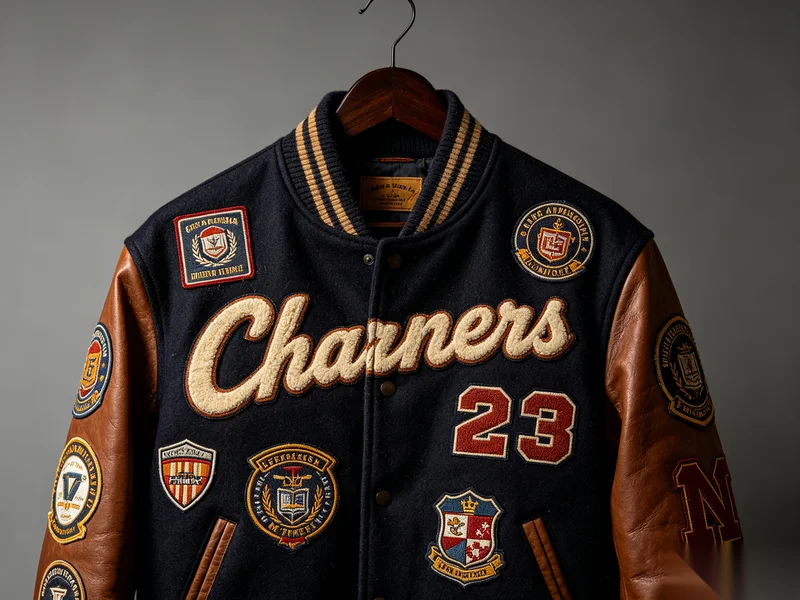
Leather jackets and accessories are timeless, tough, and stylish—but when it comes to adding custom patches, things can get tricky. While iron on patches work great on cotton and denim, applying them to leather is a different story. In this article, we’ll explore whether you can use iron on patches on leather, safer alternatives, and how to properly customize leather gear without damaging it.
If you’re planning to upgrade your leather jacket, vest, or bag with patches, read this before you reach for the iron.
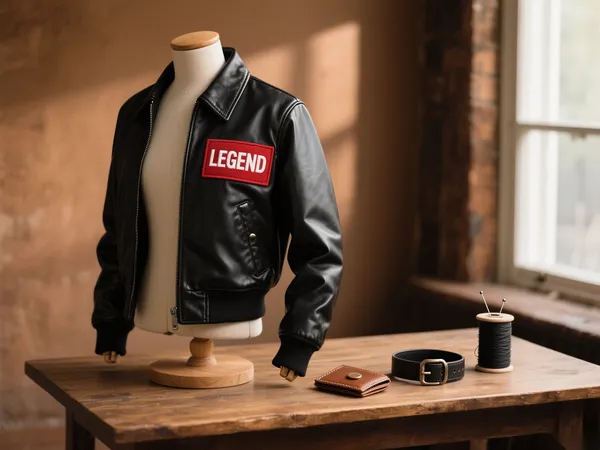
FAQ: Can You Iron a Patch onto Leather?
❓ Can you iron a patch onto leather?
Answer:
Technically yes, but it’s not recommended. Leather is heat-sensitive, and iron-on adhesives are not designed for non-porous materials.
Why it fails:
- Heat can scorch or discolor leather.
- Glue doesn’t absorb or bond to smooth surfaces.
- Pressure leaves permanent dents or distortions.
For genuine leather jackets, vests, or bags, sewing is the industry standard. For faux leather or PU, you may attempt iron-on with caution, but it still risks peeling over time.
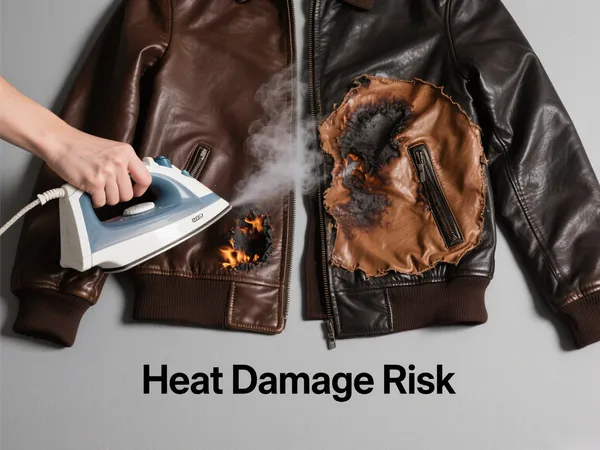
If you’re working with genuine leather, it’s best to avoid iron-on applications. However, for faux leather or PU materials, there’s a slightly better chance of success—though still with caution.
What are the safest alternatives to iron on patches for leather?
Answer:
There are four reliable options:
1. Sewing the Patch
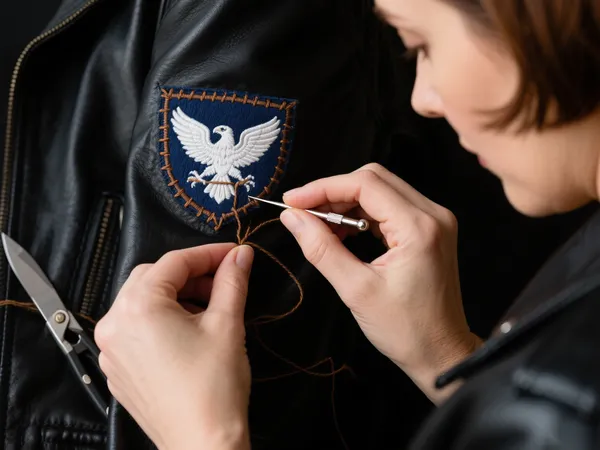
This is the most reliable and long-lasting way to attach a patch to leather. Use a leather needle and strong nylon or polyester thread. If the patch is thick or the leather is stiff, you may want to take it to a tailor or leather specialist.
- Works for: leather jackets, vests, bags
- Best patch types: custom leather patches, embroidered patches with sew-on backing
2. Using Leather-Safe Adhesives
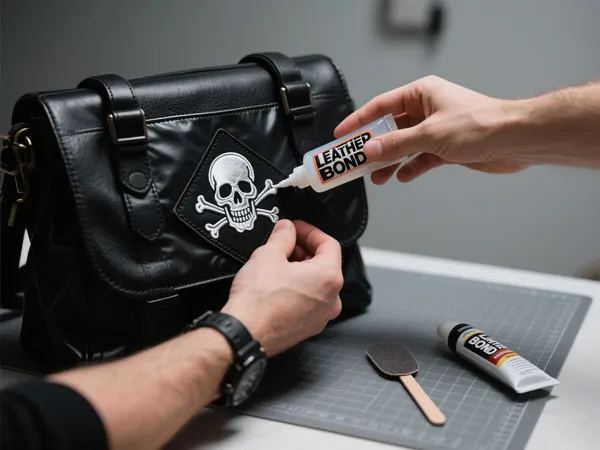
Some industrial-strength fabric glues or leather-specific adhesives can work well. Look for adhesives that remain flexible after drying and are waterproof.
- Application tip: Roughen the leather surface slightly with fine-grit sandpaper for better grip, then apply the glue evenly.
3. Velcro or Snap-on Backing
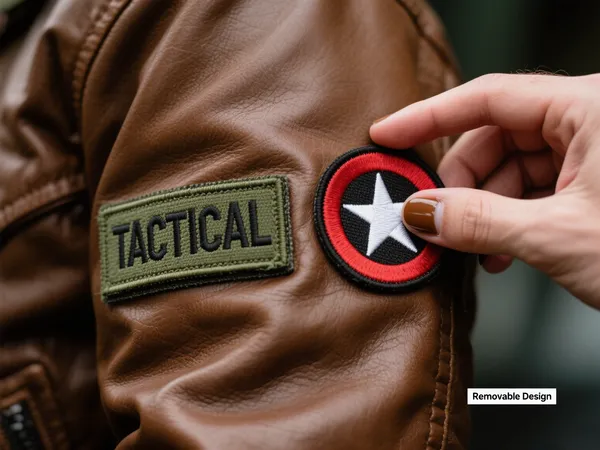
This option is ideal for removable patches, especially if you want to switch designs. Velcro patches can be sewn onto the leather or attached using adhesive bases designed for leather goods.
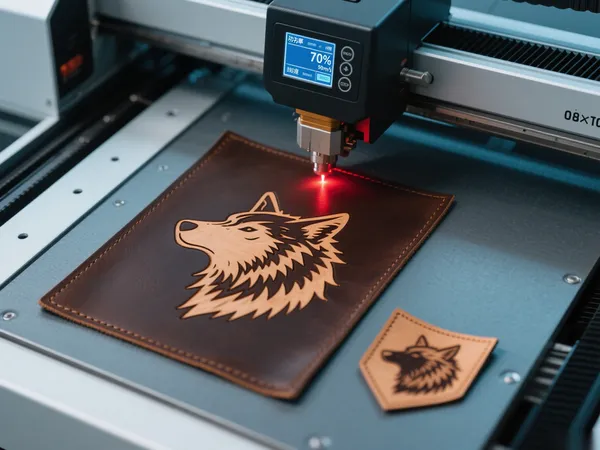
4. Custom Leather Patches with Pre-sewn Borders
These are specially designed patches meant for leather jackets and bags. They often come with decorative stitching or rugged finishes that complement leather’s texture and can be sewn or glued on.
How do you sew patches onto leather?
Answer:
Follow this step-by-step method:
- Choose the right patch – Flat-edged embroidered, woven, PVC, or leather patches.
- Mark placement – Use chalk or removable marker.
- Use proper tools – A leather needle with strong nylon/polyester thread.
- Stitch carefully – Hand-sew for thick leather or use an industrial sewing machine for bulk.
- Seal the stitching – Apply leather sealant to prevent thread fraying and moisture issues.
This method is the gold standard for apparel factories, clubs, and workwear brands.
What patch types work best on leather?
Answer:
- Embroidered Patches (sew-on backing) – Classic look for biker jackets or denim/leather hybrids.
- Custom Leather Patches – Perfect for fashion brands and luxury bags, with embossing or engraving.
- Woven Patches – Sleeker, lighter, and suitable for minimalist or premium products.
- PVC Patches – Flexible, waterproof, and ideal for outdoor/tactical leather gear.
Professional manufacturers often recommend custom leather patches since they integrate seamlessly into jackets, belts, and bags without adhesive issues.
What mistakes should businesses avoid when patching leather?
Answer:
- Direct ironing – Risks burns, discoloration, and adhesive failure.
- Using cloth barriers – Minimal protection; doesn’t solve adhesion problems.
- Skipping a test area – Always test glue or adhesive on a hidden spot first.
- DIY with wrong tools – Regular needles break; sewing leather requires specialized equipment.
For bulk production, avoid shortcuts. Using industrial sewing or specialized adhesives ensures consistent quality and prevents costly damage to leather products.
Final Thoughts: Can You Iron a Patch onto Leather?
Ironing patches directly onto leather is not a professional solution. The risks of heat damage and adhesive failure outweigh the convenience.
For brands, clubs, and manufacturers, the best approach is to use sew-on methods, leather-safe adhesives, or custom leather patches designed for durability. These techniques ensure patches last as long as the leather itself, maintaining both performance and style.
👉 Qinghan, as a professional patches manufacturer, provides custom leather, embroidered, woven, and PVC patches tailored for jackets, uniforms, and accessories—helping global brands achieve high-quality customization without compromising on material integrity.