A brand tag is a visible branding element attached to apparel that communicates brand identity, product value, and positioning. Well-designed brand tags help clothing brands create strong first impressions, support storytelling, and elevate the perceived quality of garments in retail and wholesale environments.
What Is a Brand Tag in the Apparel Industry?
A brand tag is typically attached to a garment before sale and removed by the end user. Unlike sewn-in labels, brand tags are designed to be read, touched, and noticed—making them a critical part of the brand’s first interaction with customers.
For B2B apparel brands, brand tags function as a front-facing branding tool, not just an informational add-on.

Why Brand Tags Play a Key Role in Brand Identity
Brand tags influence how customers perceive a product within seconds.
They help brands:
- establish credibility
- communicate positioning (premium, casual, heritage, modern)
- reinforce brand recognition
- differentiate similar products on the rack
A strong brand tag can make a product feel intentional and complete.
How Brand Tags Support Brand Storytelling
Brand tags provide a controlled space to share a message.
Common storytelling approaches include:
- brand mission or values
- inspiration behind the collection
- craftsmanship or design philosophy
- usage or lifestyle context
This transforms a simple tag into a narrative touchpoint.
Popular Brand Tag Design Styles
Minimal Brand Tags
Clean layouts with limited text and strong typography.
Often used by:
- modern fashion brands
- premium basics labels
- corporate apparel programs

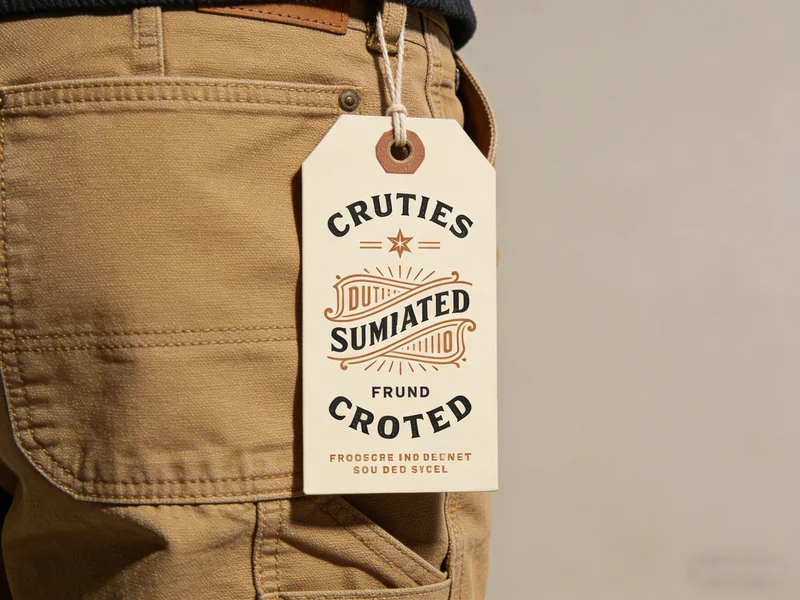
Heritage-Inspired Brand Tags
Classic fonts and balanced compositions.
Popular for:
- workwear brands
- denim labels
- heritage or outdoor apparel
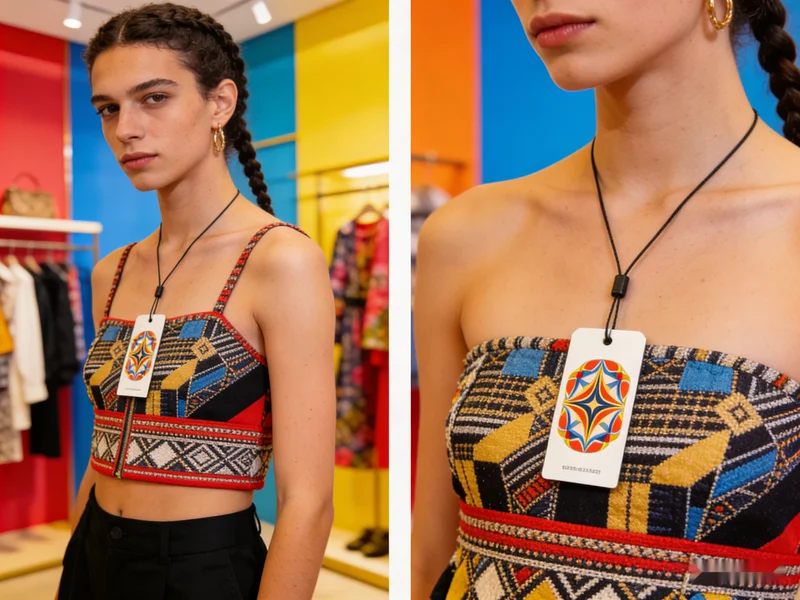
Graphic or Illustrated Brand Tags
Visual elements that express personality.
Used to:
- stand out in retail settings
- reinforce creative brand identity
- support themed collections
Informational Brand Tags
Focused on clarity and function.
Common in:
- uniforms
- functional apparel
- wholesale programs
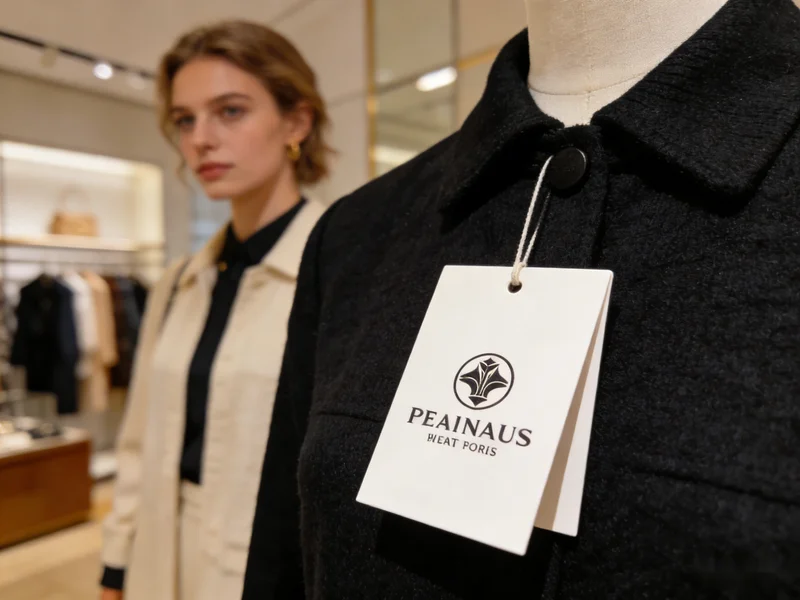
Designing a Brand Tag That Feels Intentional
Prioritize the Core Message
Decide what the tag should communicate first.
Align With Overall Brand Style
Tags should visually match garments and packaging.
Use Both Sides Strategically
Front for branding, back for details or story.
Keep Layouts Clean
White space improves readability and perceived value.
Design for Reuse
Tags should work across multiple products and seasons.
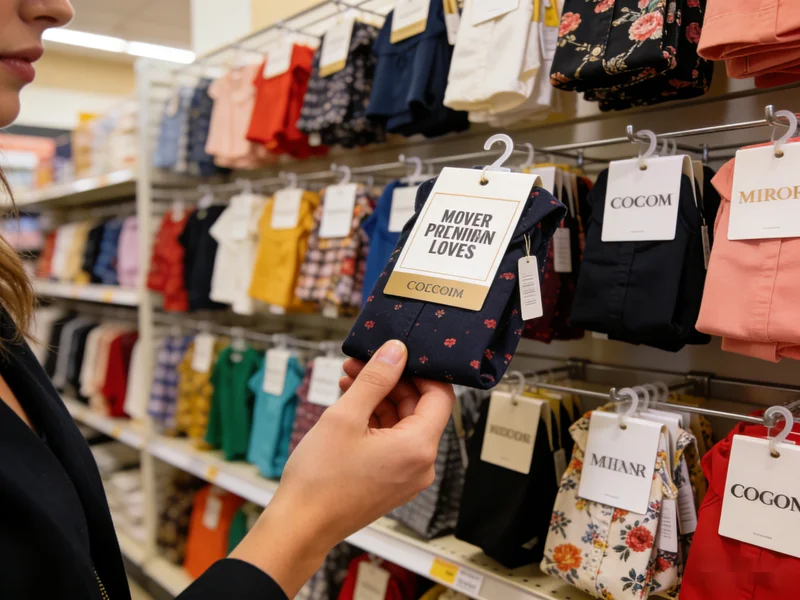
Where Brand Tags Are Commonly Used
Retail Apparel
Price, size, and brand presentation.
Private-Label Clothing
Establishes brand ownership and professionalism.
Uniform & Workwear Programs
Clear identification and consistency.
Promotional & Event Apparel
Adds polish to limited-edition products.
Brand Tag vs Other Apparel Branding Elements
| Aspect | Brand Tag | Sewn-In Label |
|---|---|---|
| Visibility | High at purchase | Subtle |
| Purpose | Story & presentation | Long-term identity |
| Lifespan | Temporary | Permanent |
| Branding role | First impression | Ongoing recognition |
The two work best as a system.
Design Inspiration: Making Brand Tags Memorable
Effective brand tags often:
- use consistent brand typography
- reflect the garment’s purpose
- maintain cohesive color systems
- feel deliberate rather than generic
Small design decisions create strong impressions.
Common Mistakes in Brand Tag Design
- overcrowding with information
- inconsistent tag designs across collections
- ignoring brand tone
- treating tags as an afterthought
These issues can weaken brand perception.
How B2B Brands Use Brand Tags at Scale
For manufacturers and growing brands, brand tags support efficiency and control.
Examples include:
- standardized tag templates
- adaptable layouts for different products
- private-label solutions for multiple clients
Well-planned brand tags streamline branding across production runs.
FAQ: Brand Tag
Q: Is a brand tag necessary for every garment?
Most retail apparel benefits from a clear, branded tag.
Q: Can brand tags improve perceived quality?
Yes. Design and messaging strongly influence perception.
Q: Should brand tags match labels and packaging?
They should align visually for a cohesive brand system.
Q: Are minimalist brand tags effective?
Absolutely. Simplicity often signals confidence and quality.
Current Trends in Brand Tag Design
- clean, minimal layouts
- storytelling-focused messaging
- cohesive branding across tags, labels, and packaging
- understated premium aesthetics
These trends emphasize clarity and long-term brand value.
Conclusion
A brand tag is more than a temporary attachment—it’s a strategic branding asset that shapes first impressions and customer perception. When designed with intention, brand tags enhance product value, reinforce identity, and support consistent branding across apparel collections.
For B2B apparel brands and manufacturers, investing in thoughtful brand tag design is a simple yet powerful way to elevate both products and brand presence in competitive markets.
About Author
——————————————————————————————————————————————

Apollo
Senior E-commerce Manager
Apollo is an experienced e-commerce manager specializing in patches, apparel accessories, and digital marketing, helping global textile brands grow with proven online strategies.
——————————————————————————————————————————————