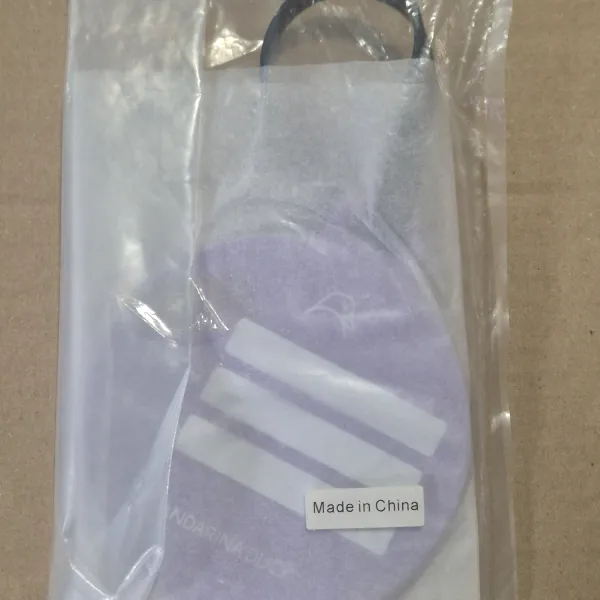
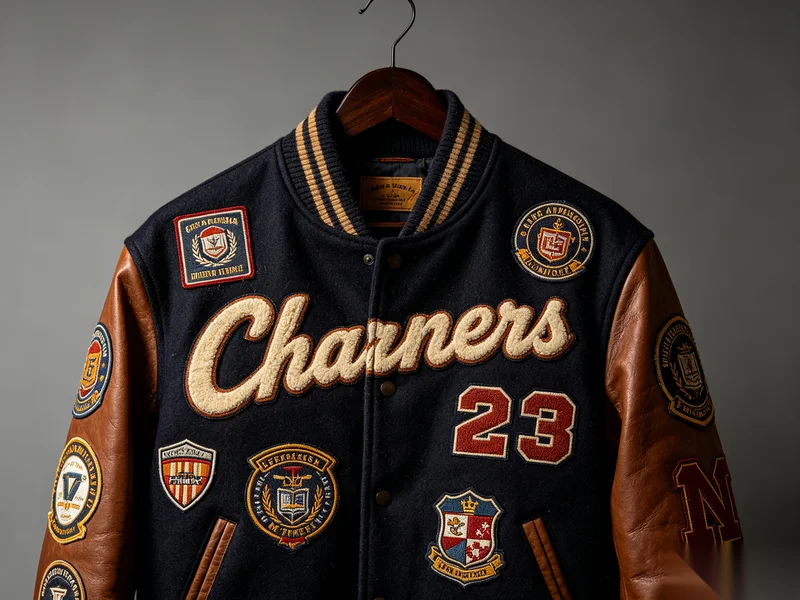
Not long ago, we received an inquiry from a client who wanted to customize a batch of PVC patches (3D rubber patches) and specifically requested:
“We want to apply them directly onto garments by heat transfer, just like silicone labels.”
This is actually a very common request—and also a very common pitfall.
Instead of quoting immediately, we first took time to explain the material characteristics and limitations of PVC. That single step helped the client avoid serious quality issues later in production and after sale.
1. Why Can’t PVC Patches Be Heat Transferred?
The answer comes down to one key reason:
PVC is not heat-resistant.
What Happens to PVC During High-Temperature Heat Pressing?
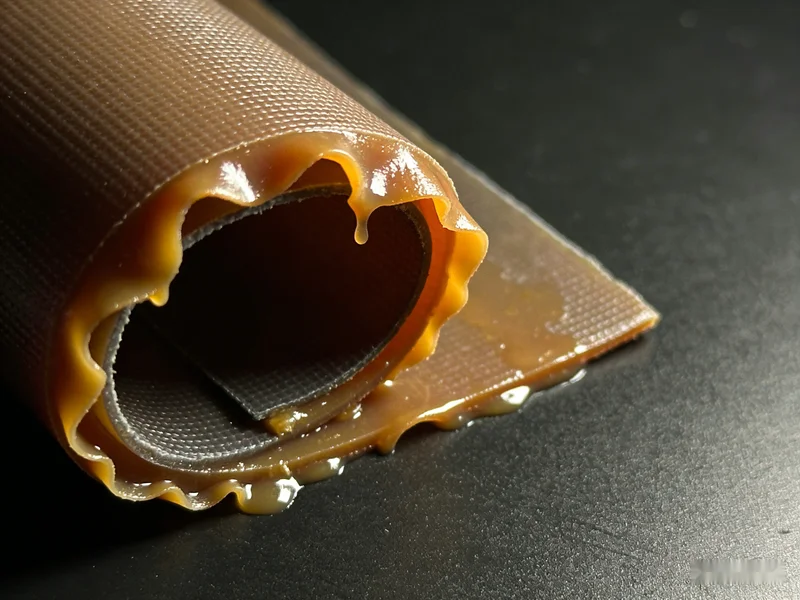
PVC (Polyvinyl Chloride) is highly sensitive to heat. During a standard heat transfer process, it can easily suffer from:
❌ Softening and deformation
❌ Collapsed edges and loss of sharp details
❌ Surface bubbling or stickiness
❌ Becoming brittle and cracking after cooling
❌ Color darkening or yellowing
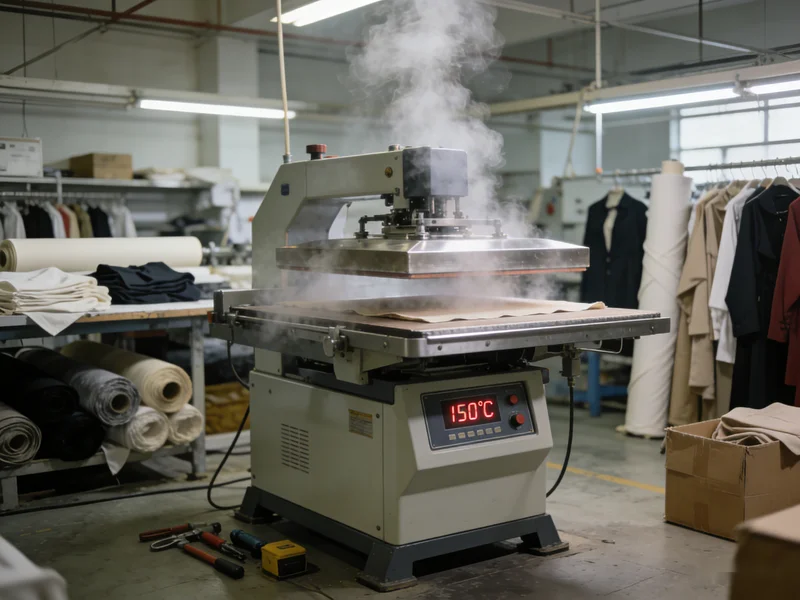
In apparel production, heat transfer temperatures typically range from 140–165°C, which already exceeds the safe heat tolerance of PVC.
Conclusion
✔️ PVC patches are not suitable for heat transfer applications.
Attempting to use PVC in heat press processes almost always leads to deformation, poor appearance, and long-term durability problems.
2. What If Heat Transfer Is a Must?
When a product must be applied by heat transfer, our recommendation is very clear and professional:
Choose silicone or dedicated heat transfer materials — not PVC.
Why Silicone Is the Better Choice
Compared with PVC, silicone patches offer significant advantages for heat-applied garments:
✅ High heat resistance (typically withstands 150–180°C)
✅ Excellent elasticity and rebound
✅ Stable performance in both high and low temperatures
✅ Higher environmental compliance (PVC-free, REACH, Prop 65, etc.)
✅ Longer service life and better wash durability
Why Most Sports & Premium Brands Avoid PVC for Heat Transfer
This is exactly why:
- Sportswear
- Outdoor apparel
- High-end fashion brands
Almost always choose silicone labels instead of PVC when heat transfer is required.
It’s not about cost—it’s about risk control, durability, and brand reputation.
Final Takeaway
PVC patches are excellent for many applications, but heat transfer is not one of them.
Understanding material limitations early in the development stage helps brands avoid:
- Product deformation
- Customer complaints
- After-sales issues
- Long-term brand damage
Choosing the right material is not just a technical decision—it’s a brand responsibility.
About Author
——————————————————————————————————————————————

Amy
Sales Manager
Hi, I’m Amy, Sales Manager. With a detail-oriented and friendly approach, I listen carefully to clients’ needs and deliver attentive service, ensuring they find the best solutions with ease.
——————————————————————————————————————————————