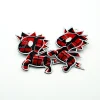
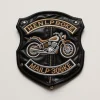
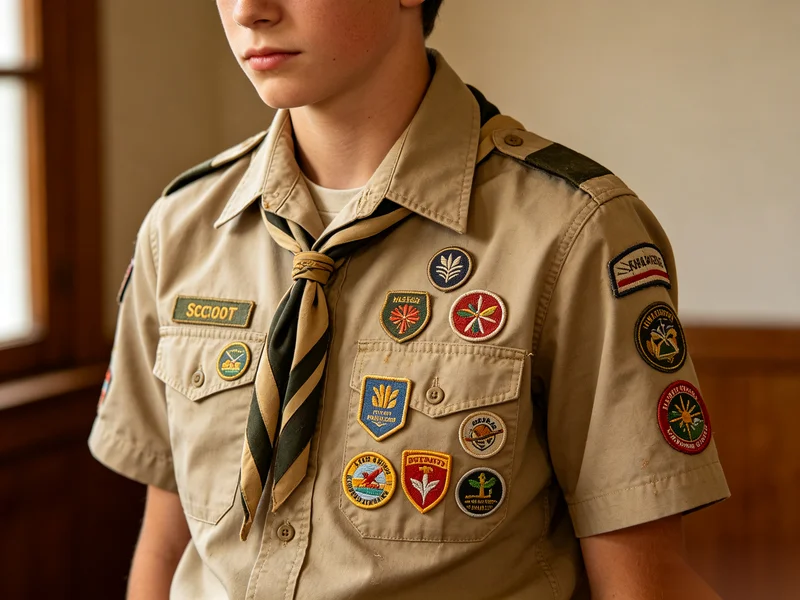
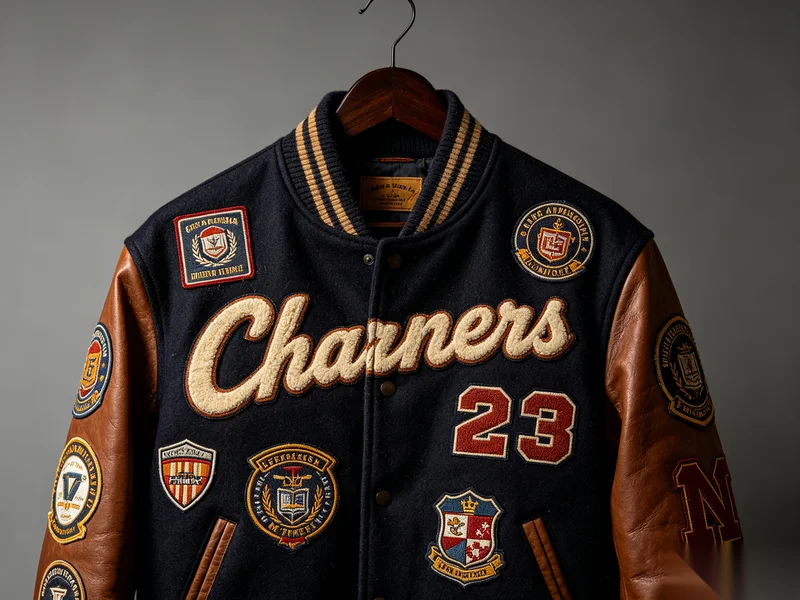
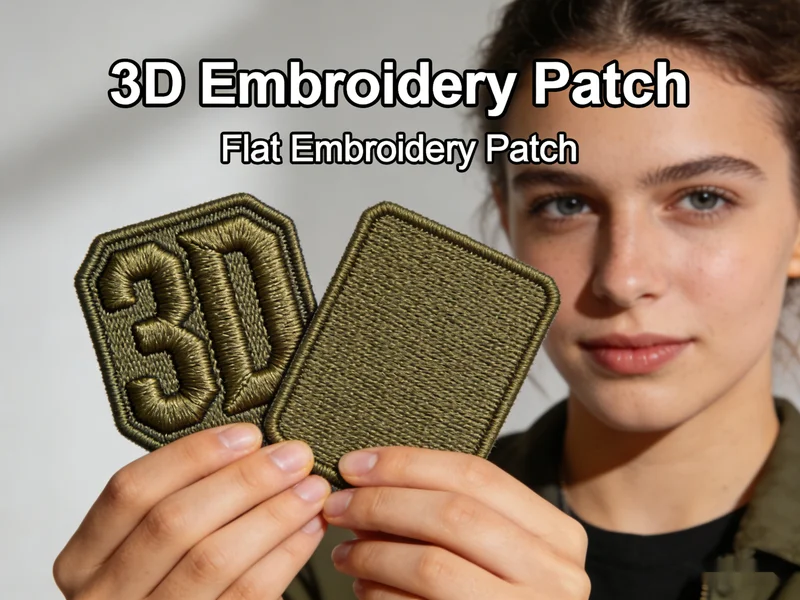
3D embroidery patches are a special type of embroidered patch designed to create a raised, dimensional effect. Unlike standard embroidery, which lies flat on the fabric surface, 3D embroidery techniques add extra thickness and structure to specific parts of the design, making logos, letters, or patterns stand out visually and physically.
These patches are widely used in fashion, branding, sports apparel, and promotional merchandise because of their bold and eye-catching appearance.
What Are 3D Embroidery Patches?
3D embroidery patches are made by increasing the thickness of certain parts of the embroidery design. This can be achieved by:
- Adding foam or filling material under the stitching
- Using dense embroidery threads to build up layers
- Sewing additional padding materials inside the patch
These methods create a raised surface that gives the design a three-dimensional effect, making the patch more dynamic and visually striking.
Key Characteristics of 3D Embroidery Patches
3D embroidery patches have several distinctive features compared to regular embroidered patches.
Raised Texture
The most obvious feature is the elevated surface, which adds depth and structure to the design.
Strong Visual Impact
Because parts of the patch stand out, logos and text become more noticeable.
Enhanced Design Layers
Designers can highlight specific elements—such as letters or symbols—by making them thicker than the background.
Premium Appearance
The dimensional embroidery effect gives the patch a more luxurious and high-end look.
Popular Design Styles for 3D Embroidery Patches
Many creative designs work well with 3D embroidery techniques.
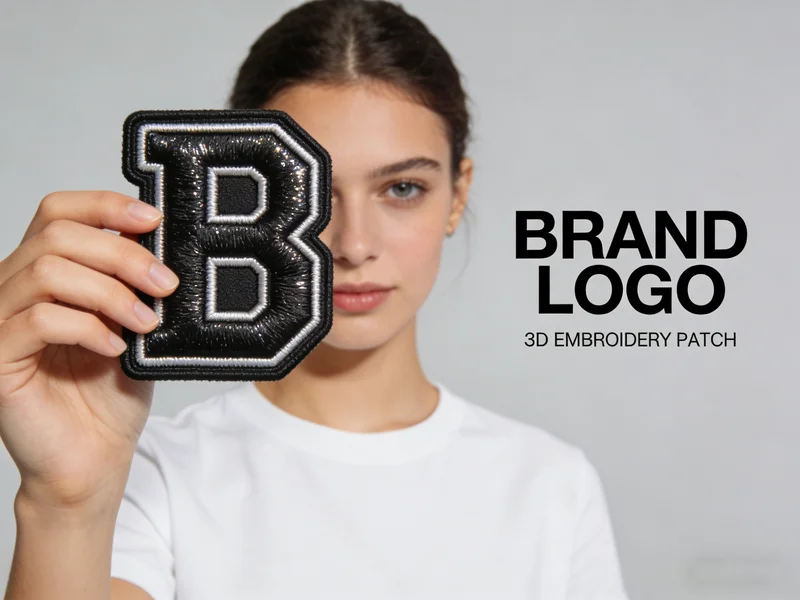
3D Lettering Patches
Raised letters are especially popular for brand logos, initials, and team names.
Logo Highlight Patches
Only certain parts of a logo are raised to emphasize the brand identity.
Sports Team Patches
Teams often use 3D embroidery for mascots, numbers, or badges.
Fashion Statement Patches
Streetwear brands frequently incorporate 3D embroidery for bold visual impact.
Where 3D Embroidery Patches Are Commonly Used
Due to their unique texture and strong visual appeal, 3D embroidery patches appear on many types of products.
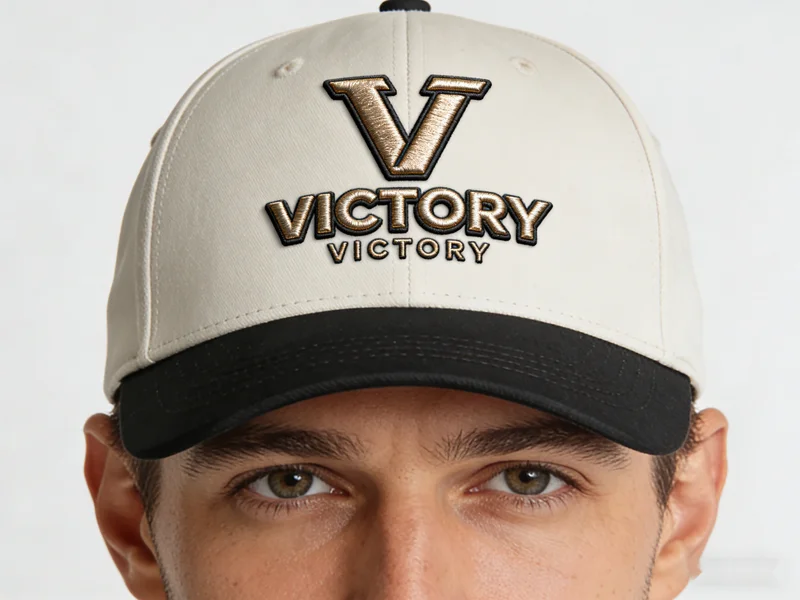
Hats and Caps
Raised logos are commonly used on baseball caps and snapbacks.
Jackets and Outerwear
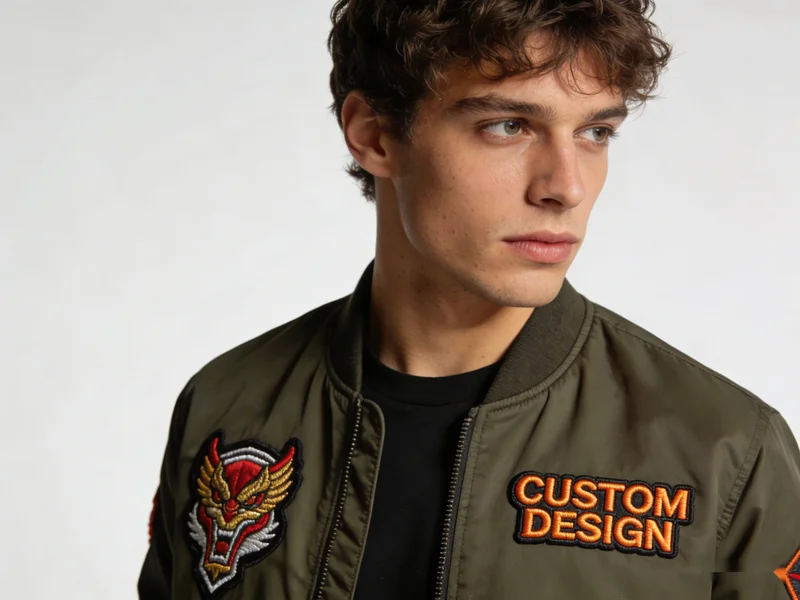
3D patches can highlight brand logos or graphic designs.
Backpacks and Accessories
Adding a dimensional patch makes accessories more distinctive.
Sports Apparel
Team logos and emblems look more dynamic with raised embroidery.
Design Considerations for 3D Embroidery Patches
When designing a 3D patch, a few technical factors should be considered.
- Keep designs bold and simple for better 3D effect
- Avoid extremely small details in raised areas
- Use contrasting colors between the raised design and background
- Ensure the patch size allows room for dimensional elements
These adjustments help maintain clarity and durability during production.
Difference Between 3D Embroidery and Standard Embroidery
| Feature | Standard Embroidery | 3D Embroidery |
|---|---|---|
| Surface | Flat stitching | Raised, dimensional surface |
| Texture | Smooth and even | Thick and textured |
| Visual effect | Classic look | Bold, eye-catching design |
| Best for | Detailed patterns | Logos, letters, and bold shapes |
Both styles are useful, but 3D embroidery is typically chosen when designers want a strong visual highlight.
Final Thoughts
3D embroidery patches bring an extra level of depth and craftsmanship to patch design. By adding thickness and dimension to specific areas, these patches create a striking visual effect that attracts attention and enhances brand identity.
Whether used for fashion apparel, sports gear, or promotional items, 3D embroidery patches offer a unique way to turn simple designs into standout pieces.
About Author
——————————————————————————————————————————————

Apollo
Senior E-commerce Manager
Apollo is an experienced e-commerce manager specializing in patches, apparel accessories, and digital marketing, helping global textile brands grow with proven online strategies.
——————————————————————————————————————————————