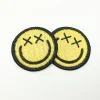
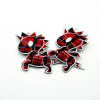
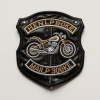
Garment patches are customized fabric or decorative components attached to clothing to display brand logos, identify product collections, reinforce damaged areas, or enhance garment design. For apparel manufacturers and fashion brands, custom garment patches offer a versatile way to strengthen brand identity, differentiate products, and create consistent visual details across clothing collections.
What Are Garment Patches and Why Are They Important for Apparel Brands?
Garment patches are decorative or functional pieces attached to garments through sewing, heat application, adhesive backing, or other fixing methods. They can feature woven designs, embroidery, printed graphics, molded materials, or other customized finishes.
For B2B buyers, garment patches are more than decorative accessories. They can support brand recognition, product differentiation, and consistent design across different product lines.
Các ứng dụng phổ biến bao gồm:
- Thương hiệu thời trang: Displaying logos, brand names, and signature graphics on jackets, shirts, jeans, and sweatshirts.
- Sportswear identification: Adding team logos, performance collection details, and sponsor graphics to athletic apparel.
- Workwear branding: Identifying departments, companies, or employee roles through durable patches.
- Streetwear customization: Creating distinctive visual elements for limited-edition collections.
- Garment repair and reinforcement: Covering damaged areas or strengthening selected sections of clothing.
- Uniform production: Maintaining consistent branding across large garment orders.
The right patch design depends on the garment material, intended use, brand positioning, production budget, and required attachment method.
What Types of Garment Patches Can Clothing Manufacturers Choose?
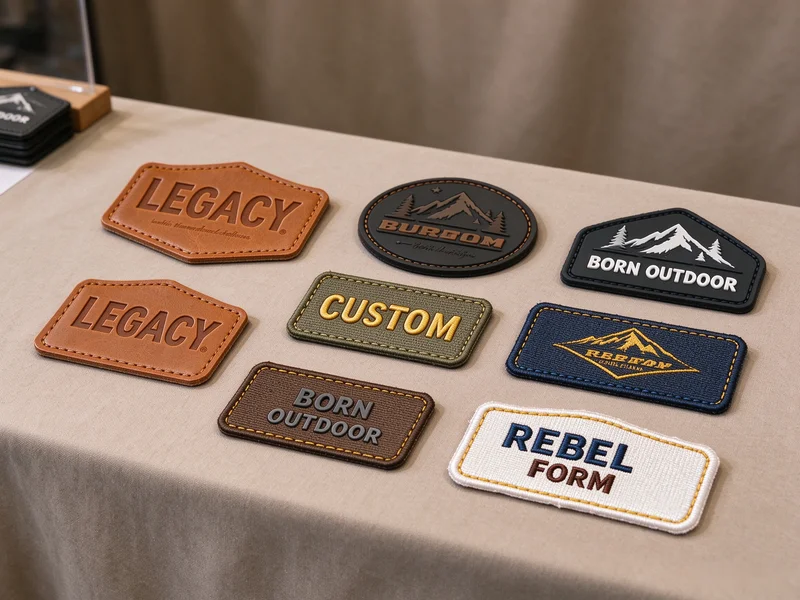
Different patch materials and production techniques create different visual effects, textures, durability levels, and costs. Understanding these differences helps apparel brands select the most appropriate solution.
Embroidered Garment Patches
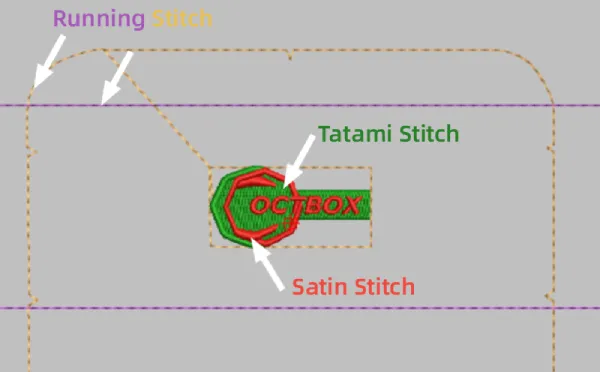
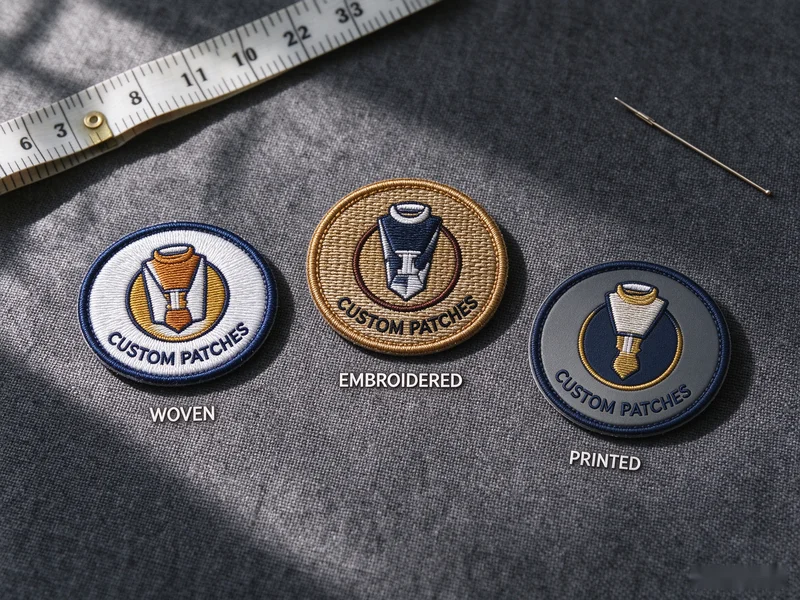
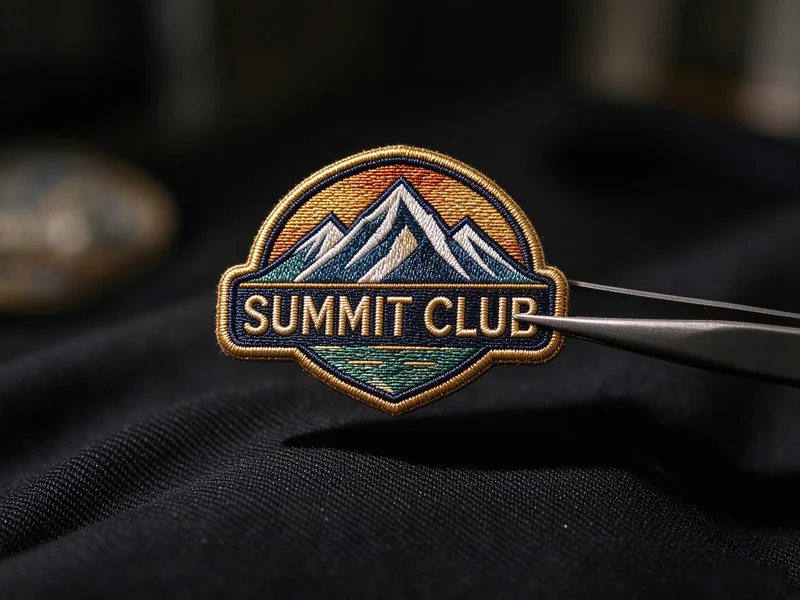
Embroidered patches use stitched threads to create raised patterns, logos, and lettering. Their textured appearance makes them suitable for workwear, denim jackets, uniforms, outdoor apparel, and heritage-inspired clothing.
They are especially useful when a brand wants a traditional, textured appearance that remains recognizable across multiple product collections.
However, very small lettering and intricate gradients may be difficult to reproduce accurately with embroidery. Buyers should confirm the artwork’s minimum detail requirements before production.
Woven Garment Patches
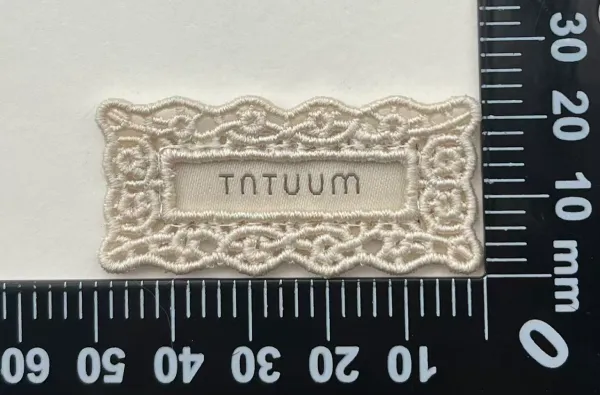
Woven patches use interlaced threads to reproduce logos, fine lines, and relatively small lettering. Compared with traditional embroidery, they can offer a flatter surface and greater detail in certain designs.
They are commonly used for clothing brand logos, neck labels, hem decorations, and lightweight apparel accessories.
For brands that prioritize clear typography and a refined finish, woven patches can be an effective alternative to embroidered designs.
Printed Garment Patches
Printed patches transfer graphics onto a suitable textile or other compatible material. They can reproduce detailed illustrations, multiple colors, and gradients that may be difficult to achieve with traditional embroidery.
These patches are useful for fashion collections, promotional apparel, graphic-heavy designs, and products requiring detailed artwork.
The printing method and base material should be selected according to the expected washing conditions, fabric type, and desired service life.
PVC and Silicone Garment Patches
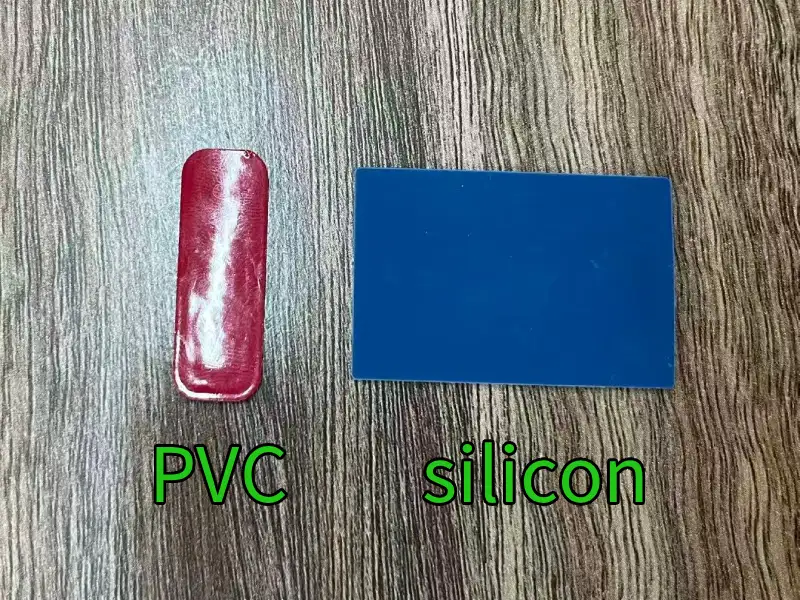
PVC and silicone patches are molded or formed to create distinctive textures, raised logos, and dimensional designs.
PVC patches are often chosen for bold graphics, flexible shapes, and durable branding applications. Silicone patches can provide a smooth, flexible feel and a modern appearance.
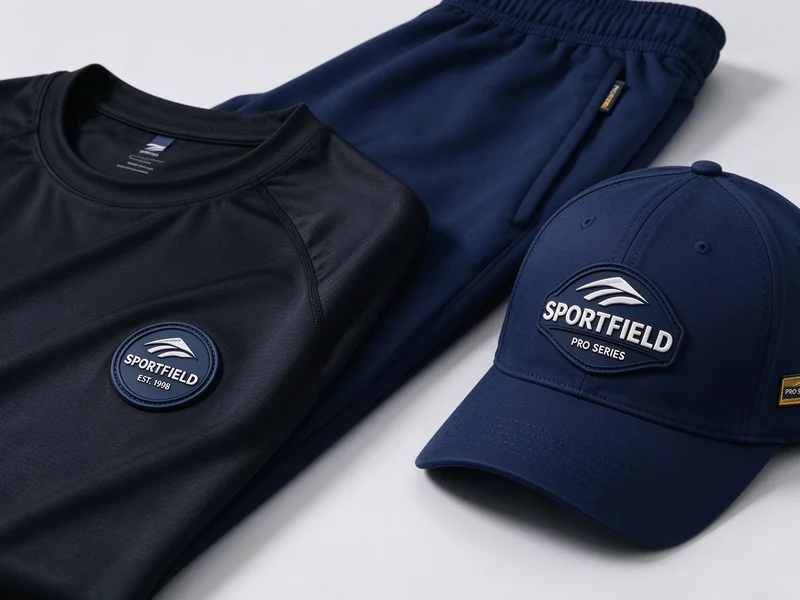
These options are suitable for outdoor clothing, sportswear, jackets, bags, and performance-oriented apparel. Before placing a bulk order, buyers should test the patch’s attachment method and compatibility with the garment fabric.
Leather and Faux Leather Garment Patches
Leather and faux leather patches offer a distinctive appearance that works well with denim, workwear, casual clothing, and premium-inspired collections.
They are frequently used on jeans waistbands, jacket sleeves, shirt hems, and other visible garment areas. Logos may be embossed, debossed, printed, or otherwise customized depending on the material.
Brands should consider material consistency, edge finishing, thickness, and washing requirements when evaluating these patches.
How Can Brands Choose the Right Garment Patches for Their Products?
Selecting the right patch involves more than choosing an attractive design. Buyers should consider the garment’s construction, intended use, target market, and production requirements.
1. Match the Patch Material to the Garment
The base fabric is one of the most important factors in patch selection.
For example, thick denim and canvas can generally support heavier patches more easily than lightweight jersey fabrics. Lightweight garments may require thinner, softer patches to reduce stiffness and prevent distortion.
Consider these common combinations:
| Loại trang phục | Suitable Patch Options | Key Consideration |
|---|---|---|
| Áo khoác denim và quần jeans | Embroidered, woven, leather | Texture and durability |
| T-shirts and lightweight tops | Printed, lightweight woven | Flexibility and comfort |
| Đồ thể thao | Printed, silicone, selected woven patches | Stretch and washing performance |
| Quần áo lao động và đồng phục | Embroidered, woven, PVC | Durability and consistent identification |
| Áo khoác ngoài trời | PVC, silicone, woven, embroidered | Weather exposure and attachment |
| Streetwear and hoodies | Embroidered, woven, leather, PVC | Visual impact and brand identity |
These combinations are starting points rather than universal rules. The final choice should be tested on the actual garment material.
2. Define the Required Visual Effect
Before contacting a manufacturer, decide whether the patch should look traditional, minimal, premium, technical, or decorative.
Embroidery creates a textured appearance, woven construction supports fine lettering, and molded materials can produce raised or dimensional logos.
Providing reference images and vector artwork helps manufacturers recommend a suitable production technique.
3. Consider Attachment Requirements
Garment patches can be attached in several ways, each with different advantages.
- Sew-on: Provides a mechanical attachment and is often preferred for heavy-duty or frequently washed garments.
- Heat-applied: Uses heat-activated adhesive and can simplify production when compatible with the garment fabric.
- Hook-and-loop: Allows removable patches, making it useful for tactical clothing, uniforms, and interchangeable branding.
- Pressure-sensitive adhesive: May suit temporary applications or certain product surfaces, but is not automatically appropriate for garments that require repeated washing.
The best method depends on fabric composition, surface texture, garment construction, and care instructions. Adhesive-backed patches should be tested for bonding strength and resistance to the expected washing and drying conditions.
How Are Custom Garment Patches Manufactured?
Understanding the manufacturing process helps apparel brands evaluate suppliers, plan product development, and reduce the risk of inconsistent bulk orders.
Step 1: Artwork and Specification Review
The buyer provides the logo, design file, patch dimensions, preferred colors, intended placement, and expected quantity.
A professional manufacturer reviews the artwork to determine whether it is suitable for embroidery, weaving, printing, molding, or another production technique.
If small text, narrow lines, or complex shapes may affect production, the manufacturer can recommend adjustments before sampling.
Step 2: Material and Production Method Selection
The supplier selects materials and production methods based on the approved specifications.
Important considerations include:
- Base material and thickness
- Thread, ink, or molded color requirements
- Kết cấu bề mặt
- Hoàn thiện mép
- Flexibility and softness
- Phương pháp gắn kết
- Expected washing and wear conditions
These specifications should be agreed upon before the sample is approved.
Step 3: Sampling and Approval
A pre-production sample allows the buyer to check appearance, size, color, texture, and attachment performance.
For garment manufacturers producing large collections, sample approval is particularly important because the patches may be applied across hundreds or thousands of garments.
If the patch will be sewn onto a finished garment, testing it on the actual fabric can reveal issues that a standalone sample may not show.
Step 4: Bulk Production and Quality Inspection
Once the sample is approved, the manufacturer begins bulk production.
Quality inspections may cover:
- Color consistency between batches
- Logo clarity and dimensional accuracy
- Edge quality and shape
- Material defects
- Attachment performance
- Quantity and packaging accuracy
For repeat orders, retaining an approved sample and written specifications can help maintain consistency between production runs.
How Can B2B Buyers Evaluate a Garment Patches Manufacturer?
Choosing a reliable clothing patches manufacturer is essential for brands that need dependable product quality, clear communication, and repeatable production.
Price matters, but selecting a supplier solely on the lowest quotation can create additional costs if patches fail inspection or require rework.
Manufacturing Capability
Check whether the supplier can produce the required patch types and manage the design complexity, materials, and quantities involved.
A supplier offering multiple customization methods may simplify sourcing when a brand needs different patches for jackets, shirts, accessories, and uniforms.
Kiểm soát chất lượng
Ask how the manufacturer checks artwork accuracy, color consistency, dimensions, finishing, and attachment performance.
For products that will be washed frequently, request suitable testing recommendations and clarify which conditions the patch is designed to withstand.
Sampling and Communication
An effective supplier should explain technical limitations, confirm specifications, and provide a clear sample approval process.
Responsive communication helps reduce misunderstandings involving dimensions, color references, backing types, and delivery schedules.
Production Capacity and Lead Time
For wholesale garment patches, production planning is important. Buyers should confirm sample lead time, bulk production time, order capacity, and shipping arrangements.
Lead times vary by design complexity, quantity, materials, and production schedules. A realistic timeline should be confirmed before the apparel production plan is finalized.
What Factors Affect the Cost of Wholesale Garment Patches?
The cost of custom garment patches depends on several variables. Understanding these factors helps purchasing teams compare quotations fairly and control production budgets.
Kích thước bản vá: Larger patches generally require more material and production resources.
Material and construction: Embroidery, weaving, printing, leather, PVC, and silicone have different production requirements.
Design complexity: Detailed artwork, multiple colors, specialized finishes, and intricate shapes can increase production costs.
Attachment method: Sewing, heat-activated adhesive, and hook-and-loop backing may involve different material and processing costs.
Order quantity: Larger orders may reduce the unit cost by distributing setup expenses across more pieces, although the actual savings depend on the production method.
Packaging and shipping: Individual packaging, special sorting, and international transportation can affect the total landed cost.
When requesting a quotation, provide the expected quantity, dimensions, artwork, materials, backing, and delivery destination. This gives manufacturers a clearer basis for pricing and reduces the likelihood of unexpected adjustments.
How Can Brands Maintain Consistent Quality Across Large Patch Orders?
Consistency becomes particularly important when a clothing brand launches seasonal collections or sources garments from multiple factories.
First, establish a documented specification that includes approved artwork, dimensions, colors, materials, edge finishing, and attachment requirements.
Second, approve a physical sample before bulk production. Digital artwork alone cannot fully communicate texture, thickness, flexibility, or the appearance of a finished patch.
Third, confirm inspection criteria with the supplier. For example, buyers may specify acceptable color variation, dimensional tolerances, and requirements for visible defects.
Finally, evaluate patches on finished garments rather than only as separate components. A patch that looks excellent on a table may wrinkle lightweight fabric, feel uncomfortable against the skin, or become distorted when sewn onto a curved surface.
A consistent quality-control process helps brands reduce rework, protect delivery schedules, and maintain a uniform appearance across product lines.
FAQ: Frequently Asked Questions About Garment Patches
What are the best garment patches for clothing brands?
The best option depends on the garment and desired appearance. Embroidered patches offer texture, woven patches support detailed lettering, printed patches reproduce complex graphics, and PVC or silicone patches create dimensional designs.
Can custom garment patches withstand repeated washing?
Many garment patches can withstand repeated washing when the materials and attachment methods are appropriate. Performance depends on patch construction, adhesive or stitching quality, garment fabric, and washing conditions. Testing on the finished garment is recommended.
What is the difference between embroidered and woven garment patches?
Embroidered patches use stitched threads to create a raised, textured design. Woven patches use interlaced threads and can reproduce finer lines and smaller lettering in many applications. The right choice depends on artwork and desired appearance.
What information is needed to request a quotation for wholesale garment patches?
Buyers should provide artwork, dimensions, quantity, preferred material, colors, backing or attachment method, application details, and delivery requirements. Reference images can also help clarify the expected finish.
Can garment patches be customized with a company logo?
Yes. Manufacturers can customize patch shapes, colors, logos, lettering, materials, and finishing methods. The production technique should be selected according to the logo’s detail level and the intended garment.
How do I choose a reliable garment patches supplier?
Evaluate manufacturing experience, available production methods, sample quality, inspection procedures, communication, production capacity, and delivery planning. Requesting a pre-production sample is a practical way to assess whether a supplier can meet your specifications.
Phần kết luận
Garment patches provide apparel brands and manufacturers with flexible solutions for branding, product differentiation, garment identification, and decorative design. By selecting suitable materials, production techniques, and attachment methods, businesses can create patches that complement their products while meeting practical requirements for durability, comfort, and appearance.
For B2B buyers sourcing custom garment patches or wholesale garment patches, the most effective approach is to define product specifications clearly, evaluate suppliers beyond unit price, approve samples before mass production, and establish consistent quality-control standards. These steps help create a reliable supply chain and ensure that garment patches contribute to a consistent, professional brand identity.
Giới thiệu về tác giả
——————————————————————————————————————————————

Apollo
Quản lý thương mại điện tử cấp cao
Apollo là một nhà quản lý thương mại điện tử giàu kinh nghiệm, chuyên về miếng dán, phụ kiện may mặc và tiếp thị kỹ thuật số, giúp các thương hiệu dệt may toàn cầu phát triển bằng các chiến lược trực tuyến đã được chứng minh.
——————————————————————————————————————————————