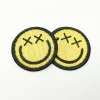
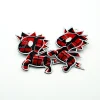
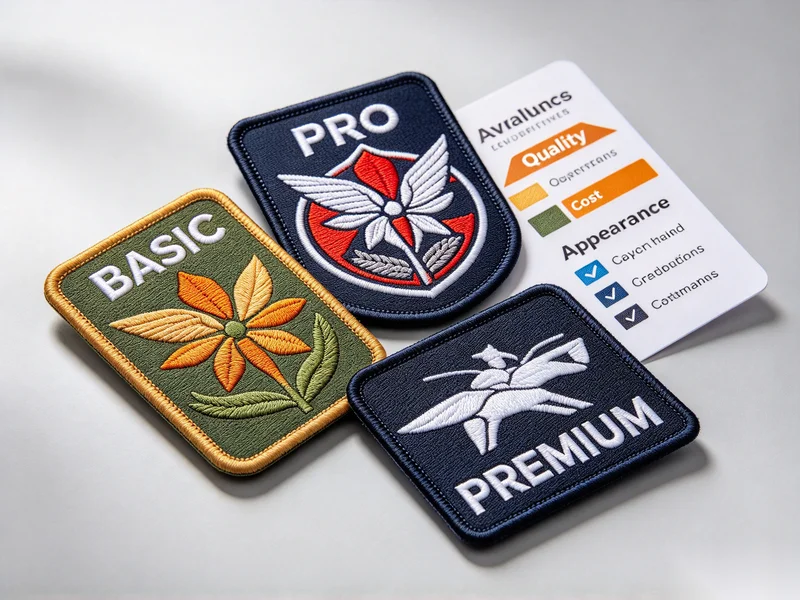
Two embroidery patches can look similar in a product image but receive very different quotes from different suppliers. The reason is that embroidery patch pricing depends on more than the design itself. Stitch density, embroidery coverage, backing fabric, edge finishing, production efficiency, and quality standards can all affect the final cost. Before choosing the cheapest supplier, buyers should make sure they are comparing the same product and expected result.
Why Similar Embroidery Patches Can Have Different Prices
When sourcing custom embroidery patches, many buyers assume that patches with similar artwork should have similar prices.
However, a digital design does not reveal every manufacturing detail.
Two suppliers may use the same logo file but interpret the production requirements differently. One may use dense embroidery across most of the design, while another may leave more of the base fabric exposed. One may use a particular edge-finishing method, while another chooses a different process to reduce production costs.
Both products can be described as embroidery patches, yet their appearance, construction, durability, and manufacturing costs may differ.
To understand embroidery patch pricing, buyers need to look beyond the artwork and examine how the patch will actually be produced.
1. Embroidery Density Directly Affects Cost
Embroidery density is one of the most important factors influencing both the appearance and price of an embroidered patch.
Higher stitch density can create a fuller surface, stronger coverage, and a more substantial embroidered appearance. It can also help reproduce certain details more clearly when the design and stitch settings are appropriate.
However, more stitches generally require more machine time and thread. Dense embroidery may also require additional attention to prevent puckering, thread buildup, or distortion, depending on the fabric and design.
Lower stitch density can reduce production time and cost, but it may leave more of the base fabric visible or produce a less filled appearance.
Neither approach is automatically better. The correct density depends on the intended visual effect, the size of the patch, the fabric, and the complexity of the artwork.
Before comparing quotes, buyers should clarify:
- How much of the design should be covered by embroidery?
- Should the surface look densely filled or relatively lightweight?
- Are small lettering and fine details important?
- Is some of the background fabric intended to remain visible?
A lower quote may reflect a different embroidery density rather than a more efficient supplier.
2. Full Embroidery vs. Fabric Base with Partial Embroidery
Another important factor in embroidery patch pricing is the construction method.
Some patches use embroidery across nearly the entire design. Others use a fabric base and embroider only selected elements, such as lettering, borders, symbols, or decorative details.
Both constructions can be classified as embroidery patches, but their material usage, texture, production time, and appearance can be quite different.
Full Embroidery
Full embroidery is suitable when the design requires extensive thread coverage and a textured, embroidered surface.
Depending on the artwork, this construction may create a rich, dimensional effect. However, it can require more stitches and machine time, especially when the design contains large filled areas or complex details.
Fabric Base with Partial Embroidery
With this construction, the base fabric forms part of the visible design, while embroidery is applied only where needed.
This can reduce stitch count and create an intentional contrast between the fabric surface and embroidered elements.
For example, a logo may use embroidered lettering and borders while leaving the background fabric exposed. The result can be visually appealing without requiring the entire surface to be covered in thread.
| Factor | Full Embroidery | Fabric Base with Partial Embroidery |
|---|---|---|
| Thread coverage | Extensive | Limited to selected areas |
| Typical stitch requirement | Often higher | Often lower |
| Surface appearance | More uniformly embroidered | Combination of fabric and embroidery |
| Textura | More thread coverage and texture | More contrast between materials |
| Considerações de custo | Can require more machine time | May reduce stitching requirements |
These are general tendencies rather than fixed rules. Actual costs depend on the design, stitch plan, materials, and production setup.
The important point is to confirm that both suppliers are quoting the same construction before comparing prices.
3. Laser-Cut Edges vs. Hot-Cut Edges
Edge finishing is another detail that can affect embroidery patch pricing.
The edge determines how the patch outline is finished, how clean the shape looks, and how the patch behaves during handling and application.
Laser cutting and hot cutting can both be used for certain patch constructions, but they are not interchangeable in every situation.
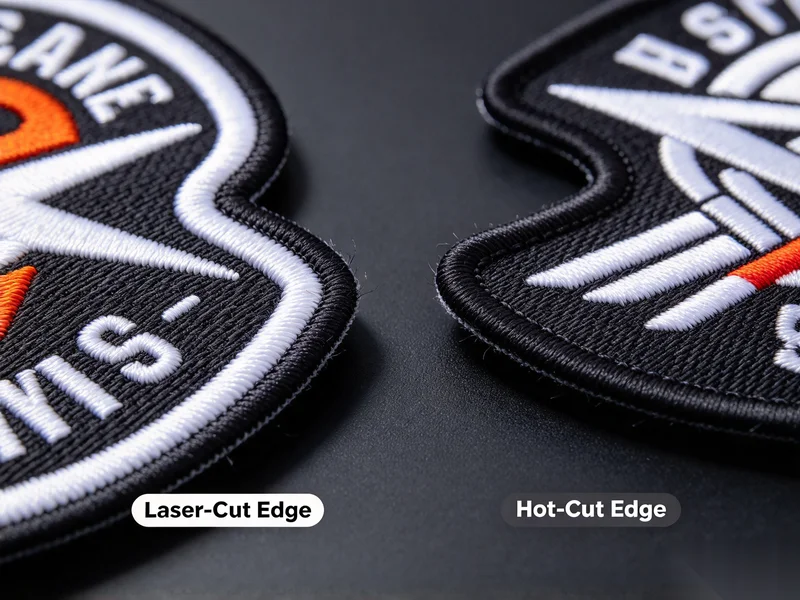
Laser-Cut Edges
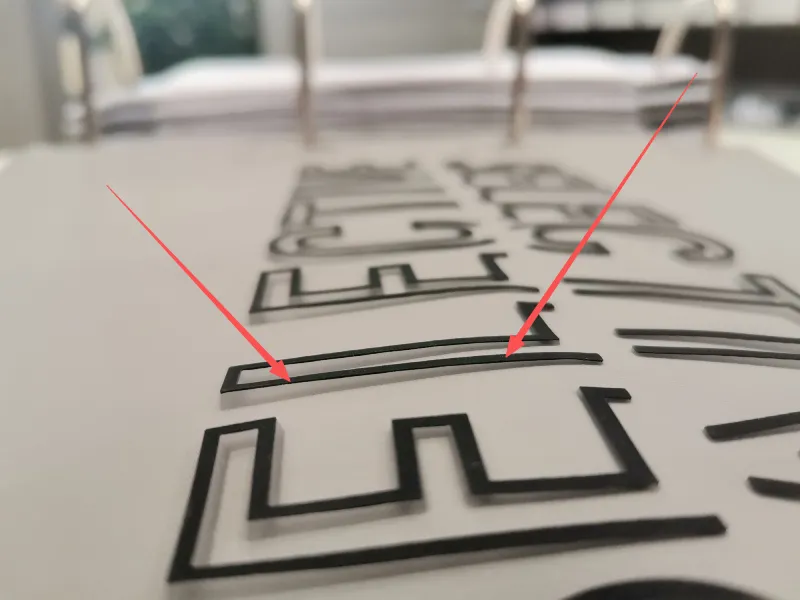
Laser cutting uses a focused laser to cut the material along a programmed outline. It can be useful for intricate shapes and precise contours, depending on the material and equipment.
The finished edge and any heat-related effects depend on the material composition, cutting parameters, and construction. For some materials, laser cutting can produce a clean outline; for others, discoloration, hardening, or other edge effects may need to be considered.
Hot-Cut Edges
Hot cutting uses a heated cutting tool to separate material and can help seal the edges of certain synthetic fabrics.
It may offer practical production efficiency for suitable shapes and materials. However, the achievable detail, edge appearance, and consistency depend on the material, cutting equipment, and design.
The most suitable method depends on the patch material, outline complexity, required finish, and production volume.
When comparing quotes, buyers should ask which edge-finishing method is included and whether the quoted sample uses the same process as bulk production.
A small difference in edge finishing may not be obvious in a digital mockup, but it can affect the finished product’s appearance and hand feel.
4. Material and Backing Requirements Also Matter
The visible embroidery is only one part of a finished patch. Base fabric, backing materials, and attachment methods can also affect the total price.
Depending on the application, an embroidery patch may use:
- Twill or another suitable fabric base
- Sew-on construction
- Suporte adesivo ativado pelo calor
- Suporte de velcro
- Pressure-sensitive adhesive backing
Each option has different material and processing requirements.
For example, a sew-on patch and a heat-transfer patch may use the same embroidery design but require different backing materials and finishing steps. A hook-and-loop patch also needs additional components and assembly.
The intended application matters, too. A patch designed for a structured cap may have different flexibility and backing requirements from one intended for a lightweight garment.
Before requesting a quote, buyers should specify how the patch will be attached and what performance is expected. Otherwise, different suppliers may quote different constructions without making those differences obvious.
5. Production Efficiency and Factory Capabilities Influence Pricing
Even when two suppliers use the same materials and production specifications, their prices may still differ because their production systems are different.
A factory’s cost structure can be affected by:
- Embroidery machine efficiency and utilization
- Automation and production workflow
- Labor costs
- Setup and digitizing requirements
- Batch size and production planning
- Inspection procedures and quality-control standards
- Rework rates and production stability
A factory with efficient equipment and well-organized production may be able to offer competitive pricing without reducing the required quality.
A supplier with higher overhead may quote more because of its cost structure, service model, or production arrangements. A lower-priced supplier may also have a legitimate efficiency advantage.
Therefore, a price difference does not automatically prove that one supplier has better quality or that another is cutting corners.
The goal is to understand what each quotation includes and whether the supplier can consistently deliver the agreed specifications.
6. Why the Cheapest Quote Is Not Always the Best Value
When comparing embroidery patch suppliers, choosing the lowest price can be tempting, particularly for large-volume orders.
However, the initial unit price is only one part of the purchasing decision.
If a lower-priced patch has insufficient embroidery coverage, inconsistent edges, unsuitable backing, or details that do not match the approved sample, the buyer may face additional inspection, rework, replacement, or delivery costs.
On the other hand, a higher-priced patch is not necessarily better. If the supplier uses more embroidery or a more expensive finishing method than the design requires, the additional cost may not provide meaningful value to the buyer.
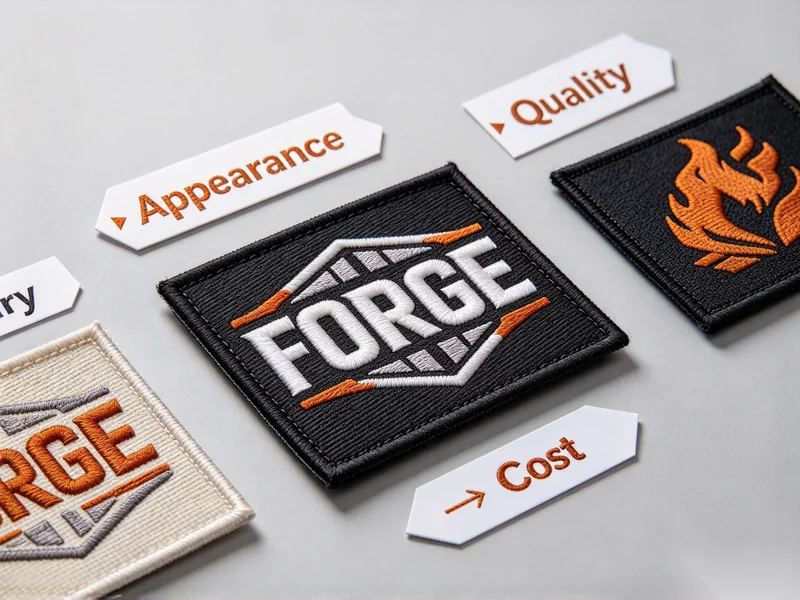
A good sourcing decision balances three factors:
- Aparência: Does the patch achieve the intended design and texture?
- Qualidade: Does it meet the agreed construction, durability, and consistency requirements?
- Custo: Is the price reasonable for the required effect, order quantity, and production standard?
The best option is not necessarily the most expensive or the cheapest. It is the one that delivers the required result at an appropriate cost.
7. How to Compare Embroidery Patch Quotes Fairly
To make an accurate comparison, buyers should provide all suppliers with the same production specifications.
A useful quotation checklist includes:
- Artwork and finished dimensions: Provide the same approved design file and size requirements.
- Embroidery coverage: Specify whether the patch should use full embroidery or a fabric base with selected embroidered areas.
- Stitch density and appearance: Provide a reference sample or clarify the desired level of coverage and texture.
- Base fabric and thread colors: Confirm the materials and color requirements.
- Edge finishing: Specify the required cutting or border-finishing method.
- Backing and attachment: Confirm whether the patch is sew-on, heat-transfer, hook-and-loop, or another construction.
- Order quantity: Ensure all suppliers are quoting the same quantity and relevant quantity tiers.
- Quality requirements: Define the acceptable appearance, dimensions, workmanship, and any necessary performance tests.
- Sample approval: Confirm that bulk production must follow the approved sample and specifications.
It is also worth asking suppliers to identify any proposed alternatives that could reduce cost.
For example, a supplier might recommend changing the embroidery coverage, adjusting the stitch plan, simplifying a small detail, or selecting a different edge-finishing method.
These changes may be reasonable, but they should be discussed and approved rather than introduced without the buyer’s knowledge.
Frequently Asked Questions About Embroidery Patch Pricing
Why do embroidery patch quotes vary so much between suppliers?
Prices can differ because of stitch density, embroidery coverage, materials, backing, edge finishing, production efficiency, order quantity, and quality requirements. Suppliers may also be quoting different constructions despite using the same artwork.
Does higher embroidery density always mean better quality?
No. Higher density can create fuller coverage, but excessive density may cause stiffness, thread buildup, or fabric distortion. The correct stitch density depends on the design, material, and intended appearance.
Is full embroidery more expensive than partial embroidery?
It often requires more stitches and machine time, but the actual price depends on the design and production method. A fabric base with partial embroidery can reduce stitching requirements while creating a different visual effect.
Do laser-cut edges cost more than hot-cut edges?
Not necessarily. The cost depends on the material, shape complexity, equipment, setup, and order quantity. Buyers should compare the required edge finish and the actual production process rather than assume one method is always more expensive.
How can I reduce embroidery patch costs without sacrificing the intended effect?
Start by reviewing unnecessary stitch coverage, overly complex details, backing requirements, and edge-finishing specifications. An experienced manufacturer may be able to suggest practical adjustments while preserving the most important visual features.
Should I choose the supplier with the lowest embroidery patch price?
Not based on price alone. Compare construction, appearance, materials, backing, quality standards, sample consistency, and delivery requirements. The lowest quote is useful only if it meets the actual product specification.
Final Thoughts: Compare the Product, Not Just the Price
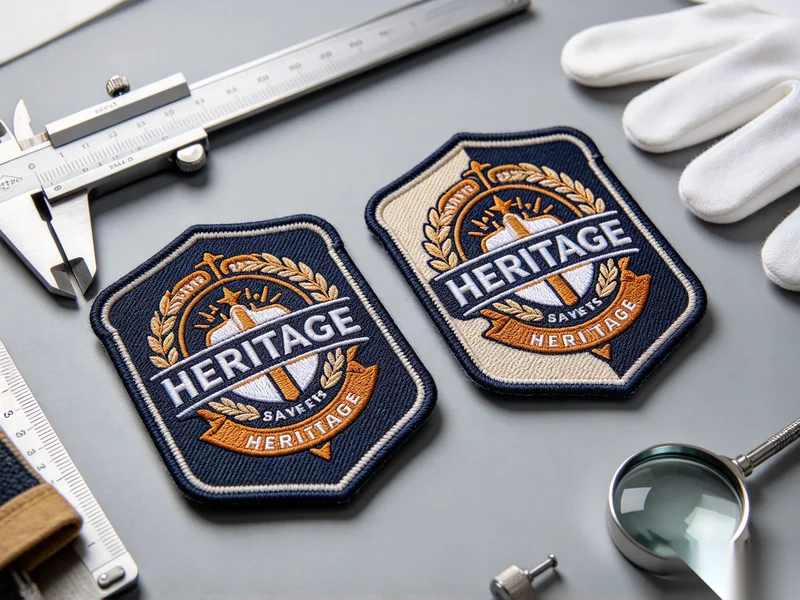
Two embroidery patches can share the same logo and dimensions while differing significantly in construction, stitch density, edge finishing, and production requirements. These differences help explain why embroidery patch pricing can vary so much between suppliers.
As a manufacturer, we do not believe that a lower price is automatically a bad choice. A supplier may have better production efficiency or recommend a more economical construction that still meets the buyer’s needs.
What matters is understanding how the price is achieved.
Before placing an order, make sure you are comparing the same design, embroidery coverage, backing, edge finish, and quality standard. If a supplier proposes a lower-cost alternative, ask what has changed and evaluate whether the difference affects the intended result.
The best embroidery patch solution is the one that balances appearance, quality, and cost—not simply the one with the lowest quotation.
Sobre o autor
——————————————————————————————————————————————

Jasão
Gestor de vendas
Com um vasto conhecimento da indústria e uma ética de trabalho responsável, ofereço orientação profissional e apoio fiável para cada colaboração com o cliente.
——————————————————————————————————————————————