In the garment accessories industry, even a small defect can affect the overall appearance and quality of a finished garment.
A slightly incorrect color, an unclear logo, a loose embroidery thread, or a poorly finished edge may seem like a minor issue. But for a fashion brand, these details matter.
At Qinghan, we believe quality control is not just about checking products before shipment. It is about understanding the characteristics of each product, identifying potential problems, and making sure every piece meets the required standards.
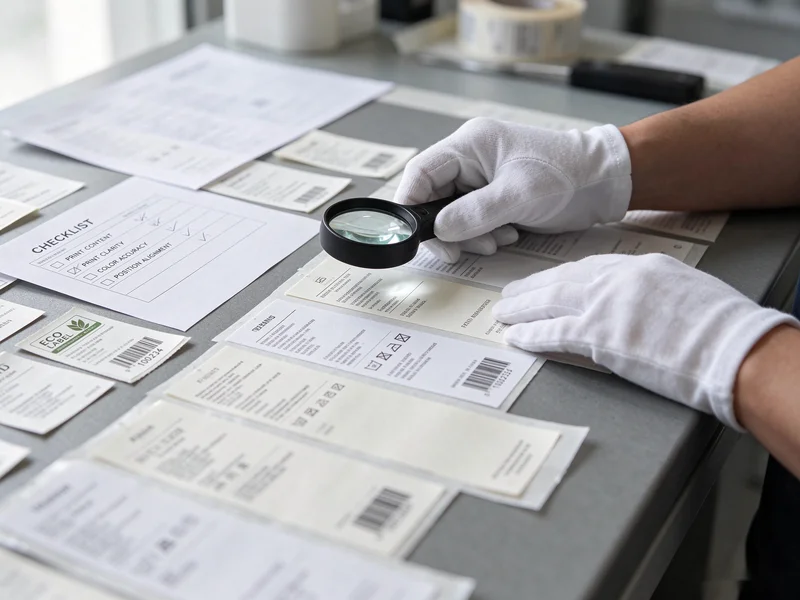
That’s why we implement 100% piece-by-piece inspection for our garment trims before shipment.
But what exactly do we inspect? The answer depends on the product.
Woven Labels: Accuracy, Appearance & Finishing
Woven labels are often small, but they carry important brand information. Font clarity, color consistency, and finishing quality all contribute to the final appearance.
Our inspection focuses on:
Artwork and text accuracy: Checking logos, letters, wording, spelling, and design details against the approved artwork.
Color consistency: Checking whether yarn colors match the approved sample or color standard.
Weaving quality: Looking for broken yarns, missing threads, loose weaving, uneven density, and visible defects.
Text clarity: Making sure small letters and fine details are clear and readable.
Edge and folding quality: Checking cutting, heat sealing, folding, and edge finishing to ensure they meet the specified requirements.
Size and shape: Verifying dimensions and overall appearance.
For woven labels with complicated logos or fine lettering, we pay particular attention to the clarity of small details and the consistency of the woven structure.
Printed Labels: Print Quality & Color Accuracy
Printed labels are widely used for care instructions, brand information, and garment details. Since they often contain small text and multiple symbols, printing accuracy is essential.
Our inspection includes:
Printing content: Checking text, symbols, washing instructions, and logos against the approved artwork.
Print clarity: Looking for blurred text, missing prints, ink smudges, and uneven printing.
Color accuracy: Checking whether printed colors are consistent with the approved color reference.
Position and alignment: Making sure the printing is correctly positioned and aligned.
Material and surface: Checking for scratches, stains, wrinkles, and other visible defects.
Cutting and dimensions: Ensuring the labels have the correct size and clean edges.
We also pay attention to ink adhesion and other performance requirements when specified by the customer.
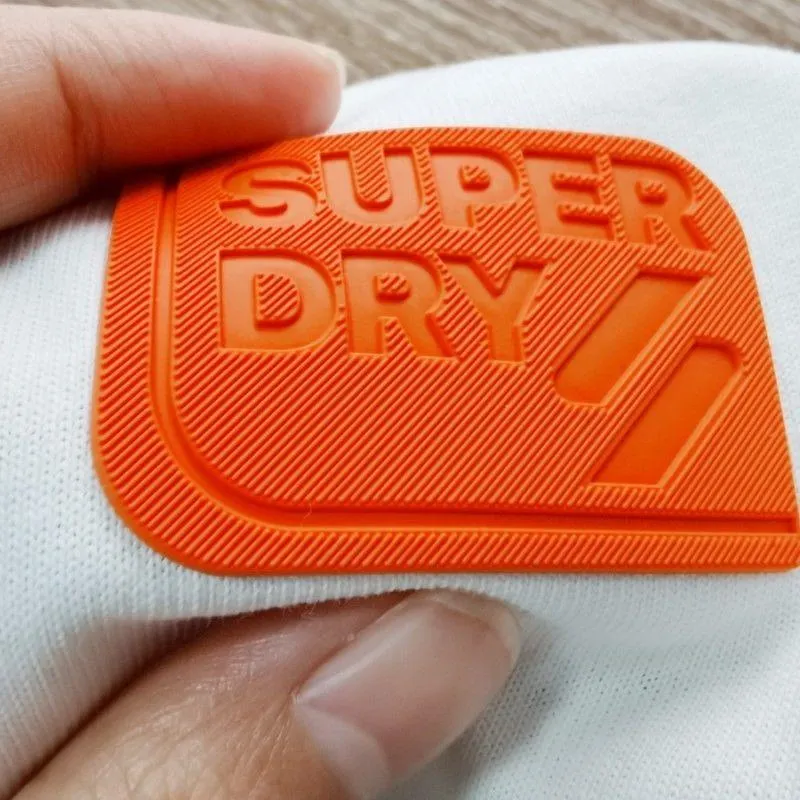
Silicone Labels & Patches: Shape, Thickness & Surface Quality
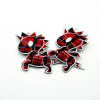
Silicone products often feature 3D effects, raised logos, multiple colors, and different thickness levels. Their appearance and dimensional details require careful inspection.
Our key inspection points include:
Shape and design: Checking that the product matches the approved mold design and artwork.
Color consistency: Looking for color differences, incorrect color placement, and uneven coloring.
Thickness and dimensions: Checking overall thickness, size, and raised or recessed details against specifications.
Surface quality: Looking for bubbles, dust, scratches, dents, stains, and other surface defects.
Logo and lettering: Ensuring that small text, edges, and 3D details are clear and well-defined.
Backside quality: Checking the back surface, adhesive layer, or other bonding structures according to the product requirements.
For heat-transfer silicone products, we also pay attention to the bonding structure and application requirements to help ensure reliable performance during garment production.
Embroidery Patches: Stitching, Details & Edge Finishing
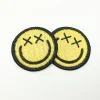
Embroidery products involve multiple threads, stitch directions, and layers. A small stitching defect can affect the appearance of the entire design.
Our inspection covers:
Embroidery pattern: Checking the logo, text, shape, and overall design against the approved artwork.
Stitching quality: Looking for missing stitches, loose threads, broken threads, and uneven stitch density.
Color consistency: Checking thread colors and ensuring the correct colors are used.
Detail clarity: Making sure small lettering and intricate design elements remain recognizable.
Backing and structure: Checking the backing material and overall stability.
Border and edge finishing: Inspecting merrowed edges, laser-cut edges, or other specified finishing methods for neatness and consistency.
We pay special attention to the relationship between stitch density and design details, especially for logos with small lettering or complicated shapes.
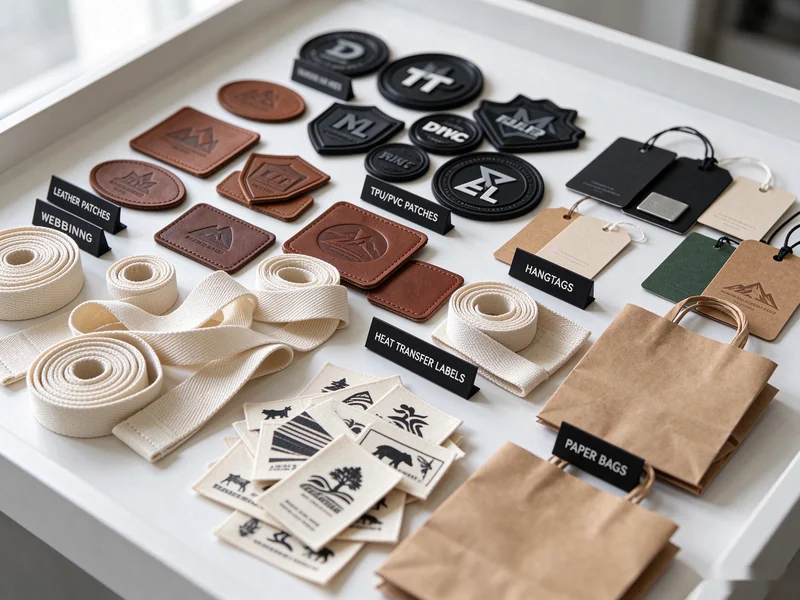
Other Garment Accessories: Different Products, Different Standards
Different products require different inspection criteria. Our quality team also checks other garment accessories according to their individual characteristics.
89899
We do not apply one inspection checklist to every product. Instead, inspection standards are tailored to the product type, approved sample, technical specifications, and customer requirements.
How Do We Achieve 100% Inspection?
A 100% inspection commitment means that every individual piece is checked before shipment, rather than relying only on random sampling.
At Qinghan, our quality control process focuses on several key stages:
Step 1: Confirm the Approved Standard
Before mass production, we confirm the approved artwork, sample, color references, dimensions, finishing details, and any special customer requirements. This gives our production and inspection teams a clear quality standard to follow.
Step 2: Monitor Quality During Production
Quality control starts during production, not just at the end. We monitor production conditions and check for potential issues so that problems can be identified and corrected as early as possible.
Step 3: 100% Piece-by-Piece Inspection
After production, every piece goes through individual inspection. Our inspectors check the product’s appearance, workmanship, dimensions, and other relevant details according to its inspection criteria.
Step 4: Separate Defective Products
Any defective pieces identified during inspection are separated from acceptable products. Depending on the issue, they are either reworked or rejected.
Step 5: Reinspection Before Packing
Reworked products must be inspected again. Only products that meet the required standards can proceed to packing and shipment.
Step 6: Final Packing Check
Before shipment, we also check packaging, quantities, product identification, and other shipping requirements to reduce the risk of mistakes.
Quality Is More Than a Final Inspection
We understand that our customers are not simply buying labels, patches, or hangtags. They are trusting us with the details that represent their brands.
A good quality control system requires more than finding defective products. It requires experienced people, clear inspection standards, suitable equipment, and a strong sense of responsibility.
At Qinghan, we believe that 100% inspection is not just a quality promise. It is part of our responsibility to every customer.
Because every detail matters, and every piece represents your brand.
Qinghan – Your One-Stop Garment Accessories Partner.
著者について
——————————————————————————————————————————————

ビッキー
セールス・マネージャー
豊富な業界経験と総合的なスキルで、チームワークとカスタマーサービスを得意とし、常にプロフェッショナリズムと効率性を維持し、最高の顧客体験をお約束します。
——————————————————————————————————————————————