Iron on patch instructions explain the correct process for attaching heat-activated patches onto garments, bags, and fabric products. For apparel brands, uniform suppliers, and wholesale buyers, understanding proper application methods helps ensure iron on embroidered patches remain secure, durable, and professionally finished.
| Punto chiave | Risposta rapida |
|---|---|
| What are iron on patch instructions? | Step-by-step guidelines explaining how to apply heat-activated patches using an iron or heat press. |
| Who needs these instructions? | Clothing brands, retailers, customers, uniform suppliers, and promotional product businesses. |
| Why are proper instructions important? | Correct application improves patch durability and prevents damage to garments. |
| Common application methods | Household iron, professional heat press, or combined sewing and heat application. |
Why Are Iron On Patch Instructions Important for Custom Patch Businesses?
Iron-on patches are one of the most convenient patch solutions available for apparel customization. They allow users to attach designs quickly without requiring sewing skills or professional equipment.
However, successful application depends on following the correct istruzioni per la toppa da stirare. Incorrect temperature settings, insufficient pressure, or unsuitable fabric types can reduce adhesion quality and affect the final appearance.
For B2B buyers, providing clear application guidance is an important part of delivering a complete product solution. Apparel brands, patch suppliers, and promotional companies can improve customer satisfaction by ensuring users understand how to properly apply and maintain heat transfer patches.
Professional manufacturers usually consider not only patch production quality but also application performance. A well-made iron-on patch should combine strong adhesive backing, durable embroidery, and easy installation.
Come funzionano le patch su ferro?
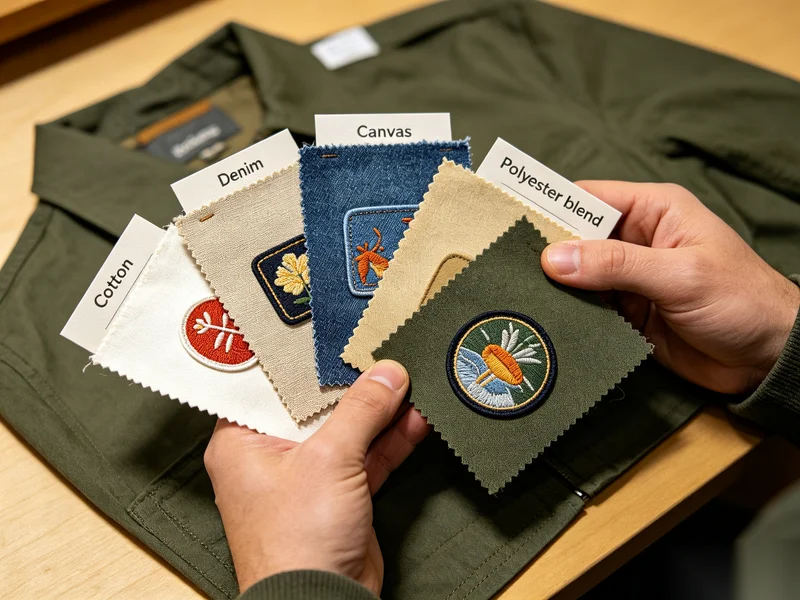
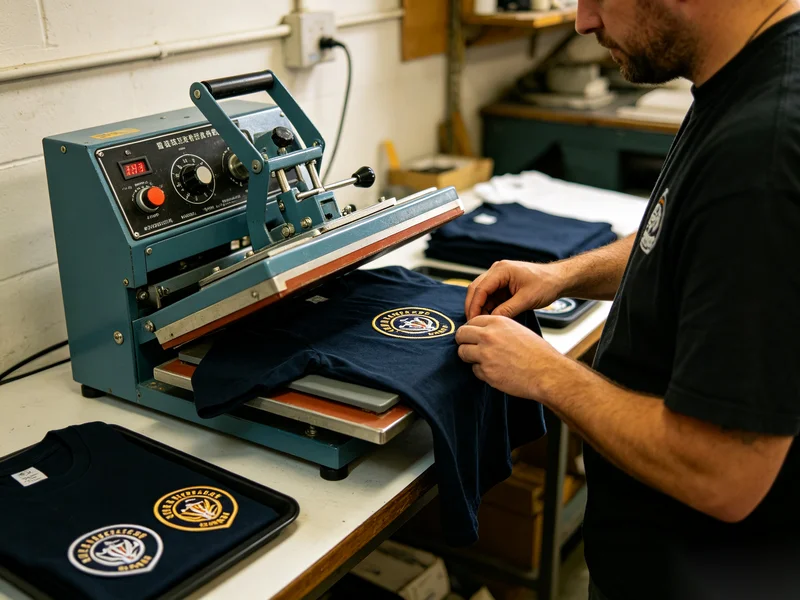
Iron-on patches use a special heat-activated adhesive layer on the back of the patch. When heat is applied, the adhesive softens and bonds with fabric fibers.
After cooling, the adhesive creates a secure connection between the patch and the garment.
The basic application process includes:
- Preparing the garment surface
- Positioning the patch correctly
- Applying controlled heat and pressure
- Allowing the patch to cool and set
- Checking the attachment strength
Understanding this process helps businesses select suitable patch materials and provide better product guidance.
How to Apply Iron On Patches Step by Step?
Following proper come stirare le toppe procedures helps achieve a professional result.
Step 1: Prepare the Fabric Surface
Before applying the patch, make sure the garment is clean and dry.
Recommended preparation:
- Wash the fabric if necessary
- Remove wrinkles
- Place the garment on a flat, heat-resistant surface
- Avoid applying patches over thick seams or uneven areas
A smooth surface allows better contact between the adhesive backing and the fabric.
Step 2: Position the Patch Correctly
Before heating, carefully place the patch in the desired location.
Considerate:
- Brand logo alignment
- Design direction
- Distance from garment edges
- Aspetto generale
For businesses producing customized apparel, accurate positioning is especially important because the final product represents the brand image.
Step 3: Apply Heat and Pressure
Cover the patch with a thin protective cloth or parchment paper to protect the design.
Then:
- Set the iron to the recommended temperature
- Press firmly over the patch area
- Apply consistent pressure
- Hold for the recommended time
The exact temperature and duration depend on the patch material and fabric type.
Step 4: Allow the Patch to Cool
After heating, allow the patch to cool completely before testing adhesion.
Cooling allows the adhesive to fully bond with the fabric.
Avoid pulling or washing the garment immediately after application.
Step 5: Check Patch Attachment
After cooling, gently check the edges of the patch.
If any area lifts:
- Reapply heat
- Add more pressure
- Allow additional cooling time
For long-term durability, some businesses choose to reinforce iron-on patches with stitching.
What Fabrics Are Suitable for Iron On Patches?
Choosing the correct fabric is important when using heat transfer patches.
Suitable Fabrics
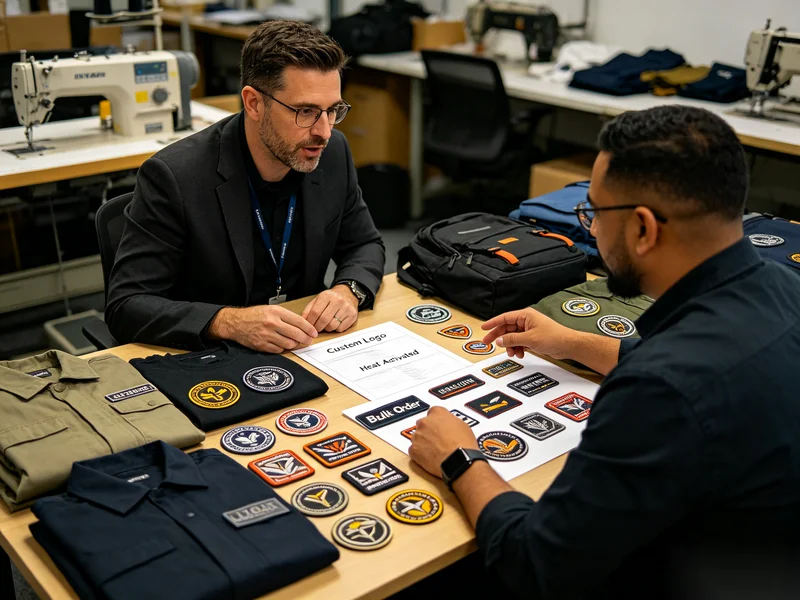
Iron-on patches generally work well on:
- Cotone
- Denim
- Tela
- miscele di poliestere
- Giacche
- Zaini
These materials usually provide enough structure and heat resistance.
Fabrics Requiring Attention
Some fabrics may not be suitable because heat can cause damage.
Gli esempi includono:
- Silk
- Nylon
- Materiali impermeabili
- Heat-sensitive synthetic fabrics
Businesses should always test application methods before large-scale production.
What Are the Advantages of Iron On Embroidered Patches?
Iron on embroidered patches remain popular because they combine traditional embroidery quality with convenient application.
Facile applicazione
Unlike sew-on patches, iron-on versions can be attached quickly without specialized sewing equipment.
This benefits:
- Retail customers
- Marchi di abbigliamento
- Promotional businesses
- DIY customization markets
Aspetto professionale
High-quality embroidery creates a textured and premium appearance.
I marchi possono personalizzare:
- Loghi
- Lettere
- Simboli
- Opera d'arte
- Decorative designs
This makes iron-on patches suitable for both fashion and commercial applications.
Produzione a costi contenuti
For businesses, iron-on patches can simplify product assembly and reduce labor requirements.
Sono comunemente utilizzati per:
- Apparel collections
- Merchandise products
- School uniforms
- Corporate clothing
How Are Heat Transfer Patches Manufactured?
Professional production of heat transfer patches involves multiple stages.
Preparazione del progetto
Manufacturers first review the customer’s artwork and optimize it for patch production.
Tra i fattori importanti figurano:
- Design size
- Thread colors
- Detail complexity
- Fabric compatibility
A properly prepared design improves final quality.
Embroidery or Fabric Production
Depending on the design, manufacturers create the patch using:
- Embroidery technology
- Woven fabric methods
- Printed transfer techniques
Each method creates different visual effects.
Adhesive Backing Application
The heat-activated backing is applied during production.
A high-quality adhesive layer should provide:
- Forte legame
- Durata a lungo termine
- Facile applicazione
- Compatibilità con diversi tessuti
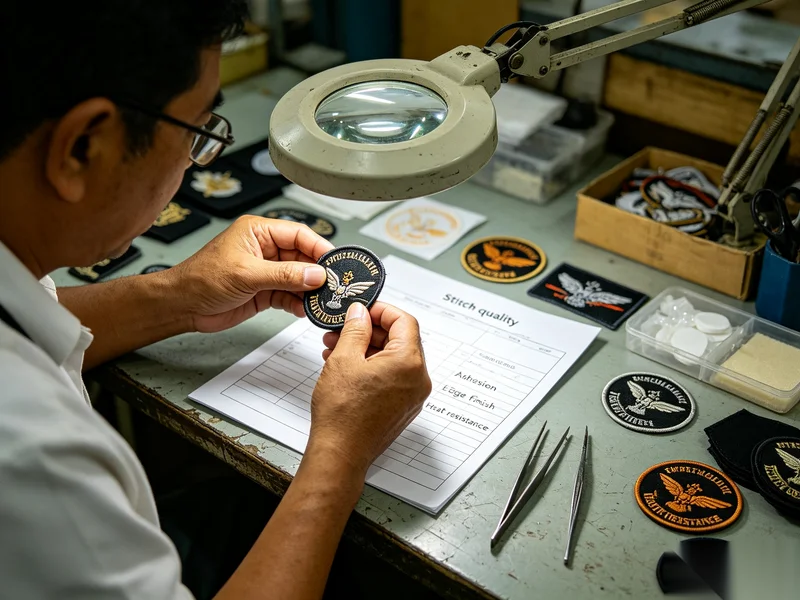
Test di qualità
Before shipment, professional suppliers inspect:
- Qualità delle cuciture
- Prestazioni dell'adesivo
- Finitura dei bordi
- Heat resistance
- Aspetto generale
This is especially important for wholesale customers requiring consistent production standards.
Why Should Businesses Provide Iron On Patch Instructions to Customers?
For B2B suppliers, application guidance is part of customer service.
Clear instructions help customers:
Ridurre i reclami sui prodotti
Many patch failures happen because of incorrect application rather than poor product quality.
Providing instructions helps prevent:
- Weak adhesion
- Incorrect placement
- Danni al tessuto
- Customer dissatisfaction
Improve Brand Experience
When customers successfully apply patches, they have a better impression of the supplier and product quality.
For apparel companies, this improves customer trust and repeat purchasing opportunities.
Support Different Market Applications
Different customers may use patches for:
- Clothing customization
- Prodotti promozionali
- Uniform systems
- Collezioni di moda
Clear instructions make the product easier to use across different industries.
How Can Businesses Choose a Reliable Iron On Patch Manufacturer?
Selecting the right supplier is essential for companies requiring consistent patch quality.
Check Manufacturing Experience
A professional manufacturer should understand:
- Embroidery patch production
- Tecnologia del trasferimento di calore
- Adhesive backing options
- Fabric compatibility
Experienced suppliers can recommend the best solution for specific applications.
Evaluate Customization Options
Businesses should look for suppliers offering:
- Forme personalizzate
- Diversi materiali
- Different backing choices
- Artwork support
- Bulk production capability
This allows brands to create unique products.
Consider Wholesale Production Ability
For large orders, manufacturers should provide:
- Controllo di qualità stabile
- Efficient production processes
- Reliable delivery schedules
- Flexible customization services
A capable supplier helps businesses maintain consistent product quality.
FAQ About Iron On Patch Instructions
How long should you iron on a patch?
Application time depends on patch material and fabric type. Most iron-on patches require several seconds of firm heat application, but manufacturers should provide specific recommendations.
Can iron-on patches be applied without sewing?
Yes. Iron-on patches are designed for heat application without sewing, although stitching can provide additional durability for heavy-use products.
What temperature should be used for iron-on patches?
The recommended temperature depends on the adhesive and fabric. Users should follow supplier instructions to avoid damaging garments.
Are iron-on patches suitable for all clothing materials?
No. Heat-sensitive fabrics such as silk, nylon, and some waterproof materials may not be suitable for iron-on application.
Can businesses order custom iron-on embroidered patches wholesale?
Yes. Professional patch manufacturers provide bulk customization services for clothing brands, retailers, and promotional companies.
How can iron-on patches last longer?
Using proper heat application, choosing suitable fabrics, avoiding harsh washing conditions, and adding reinforcement stitching can improve patch lifespan.
Conclusione
Iron on patch instructions are essential for ensuring custom patches achieve strong adhesion, professional appearance, and long-lasting performance. For businesses producing apparel, uniforms, and promotional products, understanding the correct application process helps deliver better customer experiences.
High-quality iron on embroidered patches combined with reliable manufacturing and clear usage guidance provide an effective customization solution for many industries. By working with an experienced patch supplier, brands can create durable, attractive, and easy-to-use products that meet modern market demands.
Informazioni sull'autore
——————————————————————————————————————————————

Apollo
Responsabile senior dell'e-commerce
Apollo è un esperto responsabile dell'e-commerce specializzato in toppe, accessori per abbigliamento e marketing digitale, che aiuta i marchi tessili globali a crescere con strategie online comprovate.
——————————————————————————————————————————————