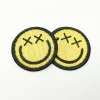
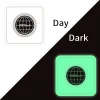
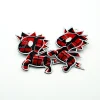
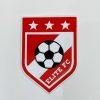
To create my own emblem, businesses need to combine unique design elements, brand identity, and suitable patch manufacturing methods. Custom emblem designs can be transformed into embroidered, PVC, silicone, or woven patches, helping brands, teams, and organizations create professional visual identities.
What Does It Mean to Create My Own Emblem?
Creating your own emblem means designing a unique symbol, badge, or logo that represents a brand, team, organization, product, or community. Unlike a simple logo, an emblem usually combines multiple elements into a complete visual composition, such as icons, text, borders, and meaningful symbols.
Custom emblems are widely used for:
- Clothing brands
- Sports teams
- Clubs and organizations
- uniformes d'entreprise
- Produits d'extérieur
- Promotional merchandise
For businesses, creating a custom emblem is not only about making an attractive design. It is also about developing a recognizable identity that can be applied consistently across different products.
Quick overview: Steps to create your own emblem
| Step | Key Consideration |
|---|---|
| Define purpose | Decide what the emblem represents |
| Create design concept | Choose symbols, colors, and style |
| Select patch material | Match the design with production requirements |
| Make a sample | Confirm appearance and quality |
| Start production | Manufacture custom emblem patches |
A professional patch manufacturer can help transform a digital emblem design into a high-quality physical product.
Can a custom emblem improve brand recognition?
Yes. A unique emblem helps customers quickly identify a brand, team, or organization.
In competitive markets, businesses need more than a name or product. They need recognizable visual elements that create emotional connections.
A custom emblem can represent:
- Brand history
- Company values
- Product identity
- Team culture
- Community belonging
Par exemple :
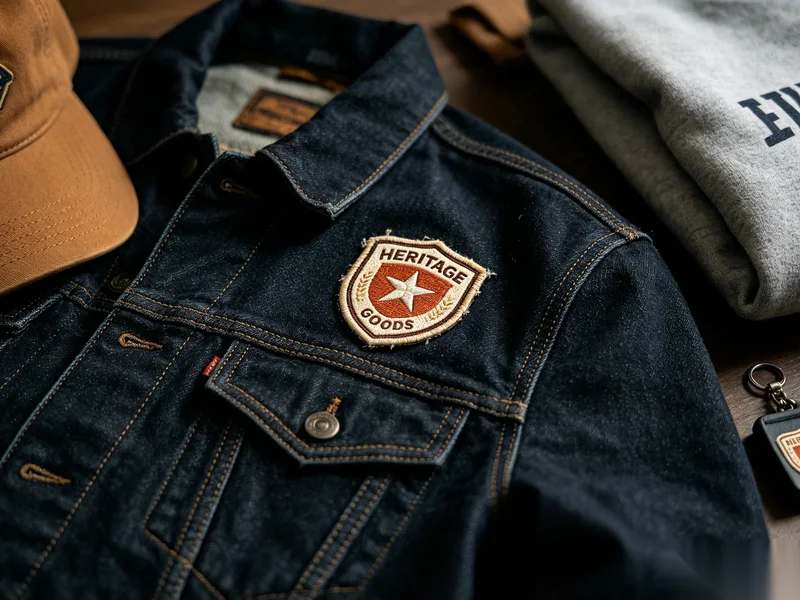
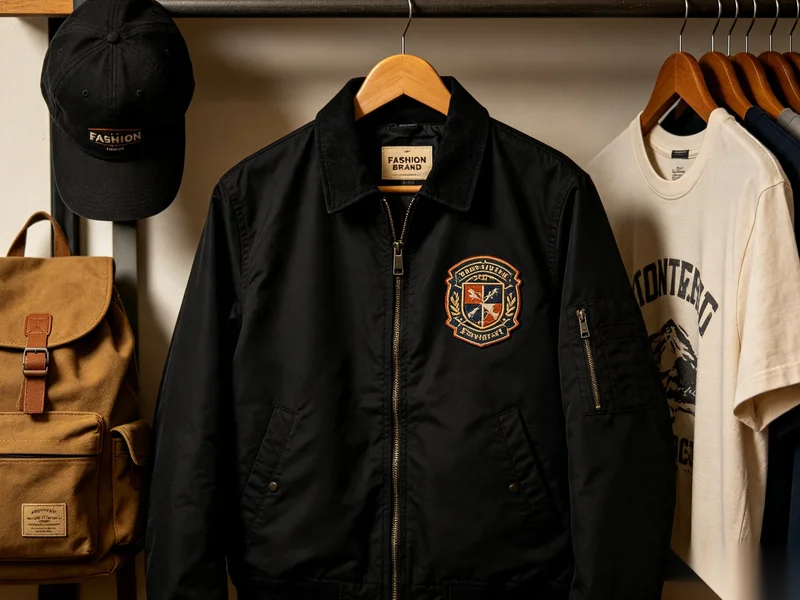
- A fashion brand may create a vintage-style emblem for a heritage collection.
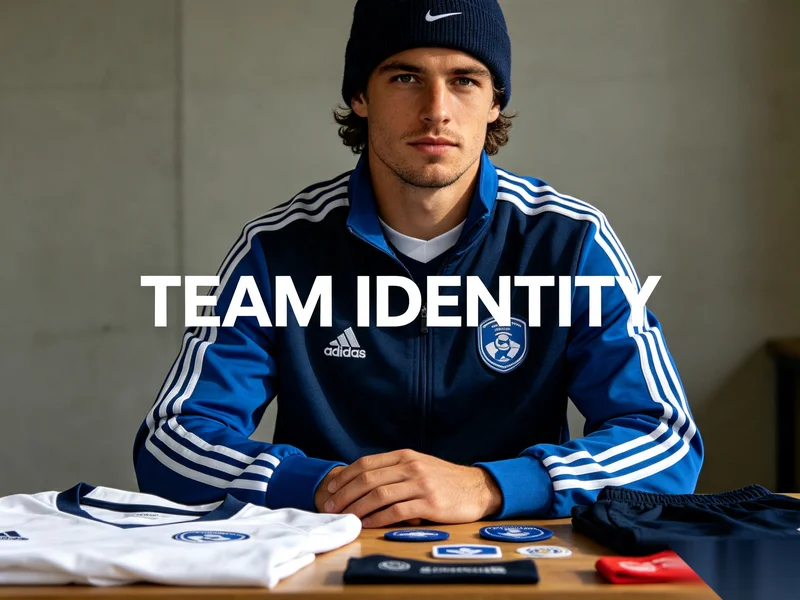
- A sports team may design an emblem representing team spirit.
- An outdoor company may create a badge showing adventure and exploration.
What elements should be included in a custom emblem?
A successful emblem combines several visual components that work together.
1. Define the Purpose of Your Emblem
Before starting the design, businesses should consider:
- What does the emblem represent?
- Who will see it?
- Où sera-t-il utilisé ?
- What feeling should it communicate?
Different purposes require different design approaches.
Exemples :
| But | Design Direction |
|---|---|
| Fashion brand | Stylish and memorable |
| Sports team | Strong and energetic |
| Outdoor organization | Durable and adventurous |
| Corporate uniform | Professional and clear |
A clear purpose helps create a more effective emblem.
2. Choose the Right Symbols and Icons
Symbols are one of the most important parts of an emblem.
Parmi les éléments communs, on peut citer :
- Animals
- Geometric shapes
- Lettres
- Tools
- Éléments de la nature
- Historical references
The symbol should be easy to recognize and connected to the brand message.
Par exemple :
- A mountain symbol can represent exploration.
- A shield shape can represent protection and tradition.
- A star element can represent achievement.
3. Choisissez soigneusement les couleurs
Colors influence how people perceive an emblem.
When creating your own emblem, consider:
- Brand colors
- Product style
- Target audience
- Production limitations
For patch manufacturing, color selection is also important because different materials and production methods may affect the final appearance.
4. Choose Typography and Text Placement
Many emblems include:
- Marques
- Initials
- Slogans
- Dates
Text should remain readable after production.
For embroidered emblem patches, very small letters may need adjustment to ensure clear stitching.
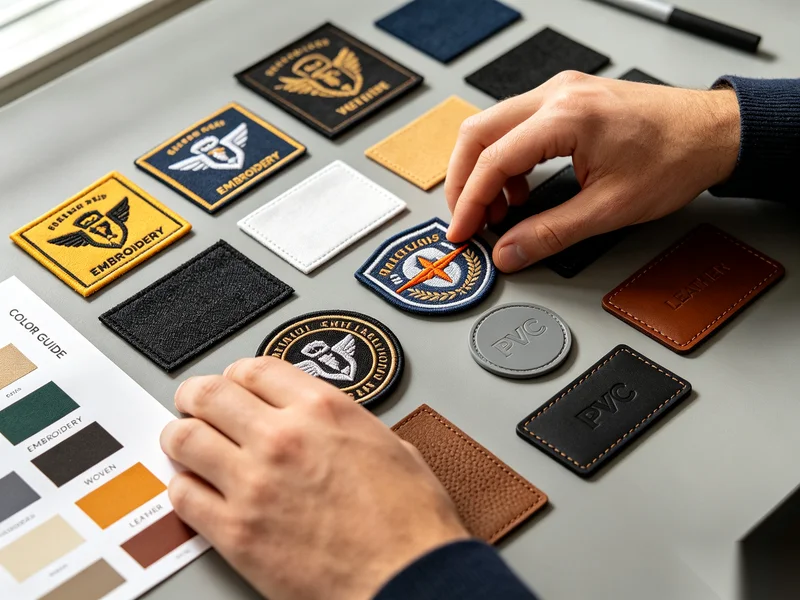
What Types of Custom Emblem Patches Can You Create?
After designing an emblem, businesses can choose different production methods.
Embroidered Emblem Patches
Embroidered patches are one of the most popular choices.
Avantages :
- Classic appearance
- Texture de qualité supérieure
- Durable stitching
- Suitable for apparel
Applications courantes :
- Vestes
- Chapeaux
- Uniformes
- Streetwear
PVC Emblem Patches
PVC patches provide a modern and durable option.
Avantages:
- Étanche
- Flexible
- Three-dimensional appearance
- Easy maintenance
They are suitable for:
- Vêtements de plein air
- Tactical products
- Équipement sportif
Silicone Emblem Patches
Silicone patches create a soft and premium feeling.
Caractéristiques:
- Texture souple
- Raised designs
- Aspect moderne
Populaire pour :
- Sportswear
- Marques de mode
- Produits de style de vie
Woven Emblem Patches
Woven patches are ideal for detailed designs.
Avantages :
- Détails
- Surface lisse
- Clear text reproduction
Convient pour :
- Marques de mode
- Brand badges
- Vêtements haut de gamme
What is the process from design to finished patch?
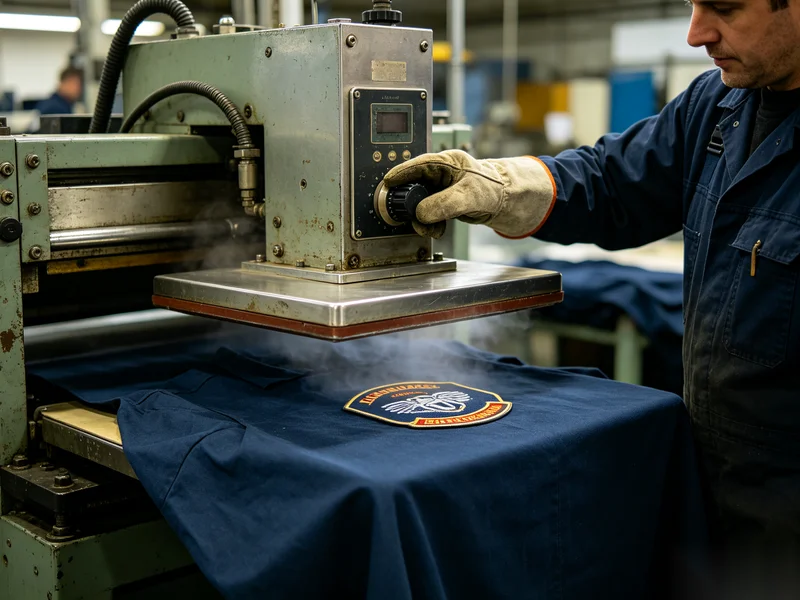
Creating a physical emblem patch usually includes several stages.
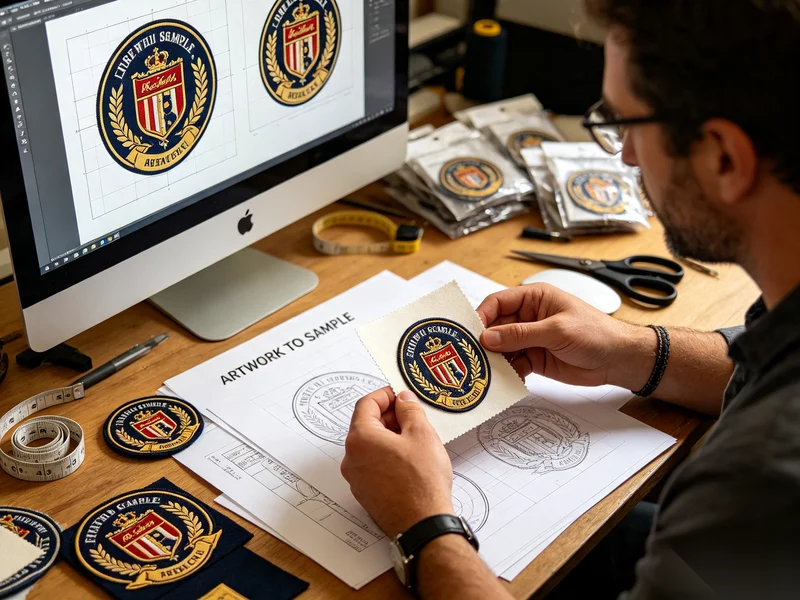
Step 1: Prepare Your Artwork
Businesses should prepare:
- Fichiers de logo
- Design references
- Color requirements
- Size information
Vector formats are usually preferred because they maintain design quality.
Step 2: Select the Manufacturing Method
The production method depends on:
- Complexité de conception
- Aspect souhaité
- Application du produit
- Budget
Par exemple :
- Detailed fashion emblem → woven or embroidery
- Outdoor emblem → PVC or silicone
- Classic team badge → embroidered patch
Step 3: Create a Sample
A sample allows businesses to check:
- Précision de la conception
- Couleurs
- Texture
- Taille
- Backing method
Sample approval is especially important before large production orders.
Step 4: Begin Bulk Production
After approval, manufacturers produce the required quantity.
Professional production includes:
- Material preparation
- Logo creation
- Finition des bords
- Contrôle de la qualité
- Conditionnement
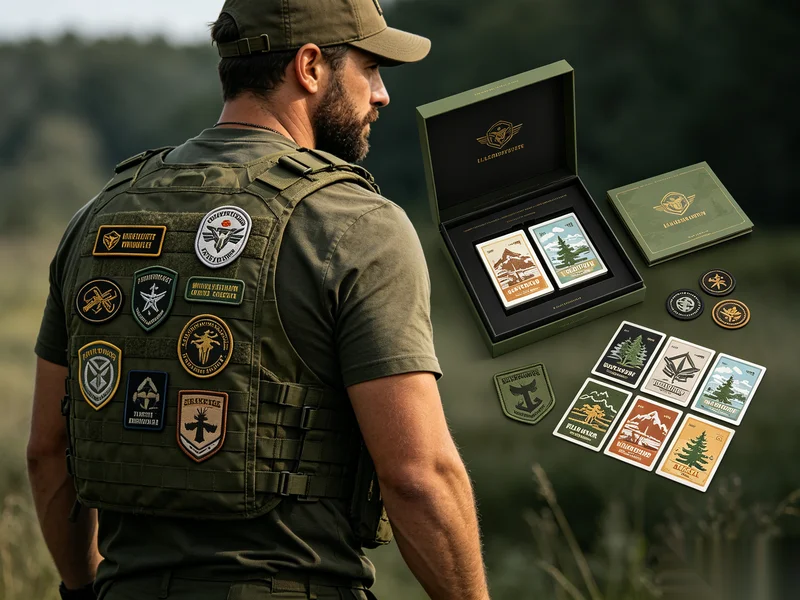
How Can Businesses Use Their Own Emblems?
A custom emblem can be applied to many products.
Clothing and Fashion Products
Brands commonly use emblems on:
- Vestes
- Sweats à capuche
- Jeans
- Chemises
- Collections Streetwear
Emblems help create a recognizable fashion identity.
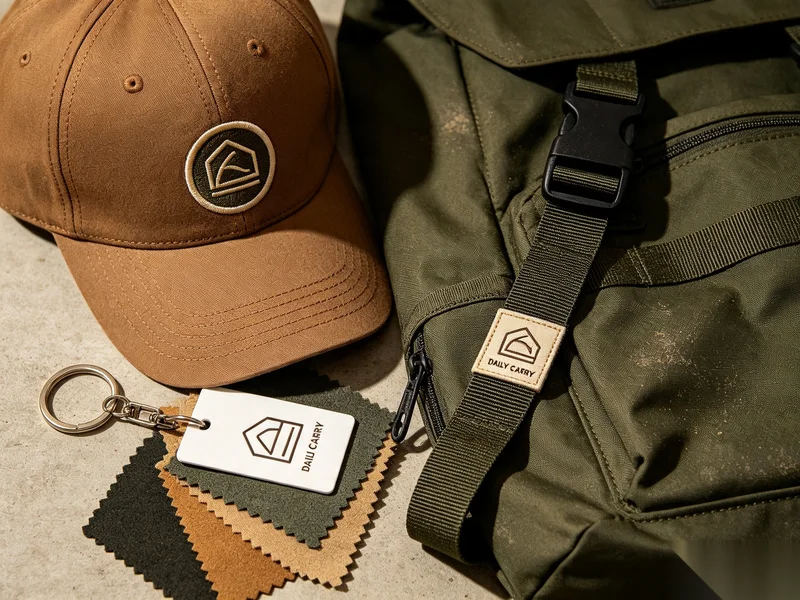
Hats and Accessories
Custom emblem patches are popular for:
- Casquettes de baseball
- Casquettes de camionneur
- Sacs
- Sacs à dos
They provide a simple way to display brand identity.
Sports Apparel
Teams use custom emblems for:
- Maillots
- Training clothes
- Produits dérivés pour les fans
They help strengthen team recognition.
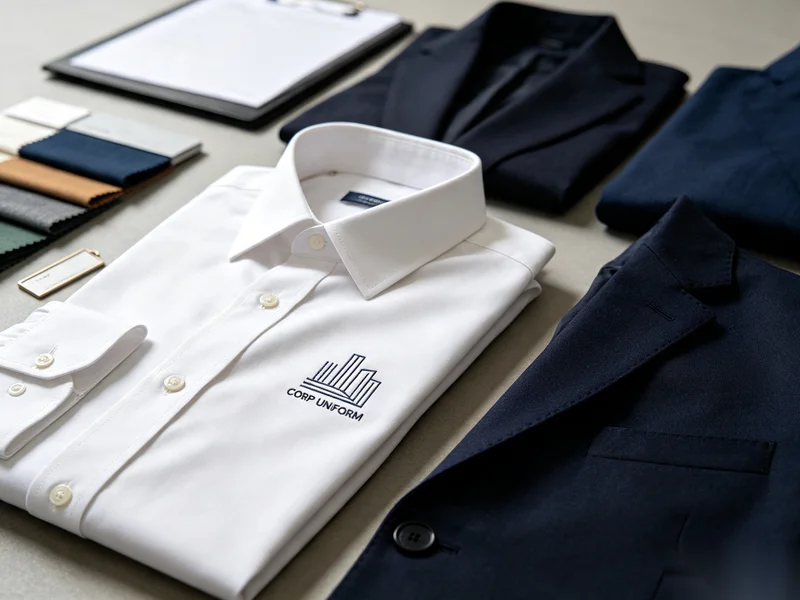
Corporate Products
Companies use emblems on:
- Uniformes de travail
- Employee clothing
- Articles promotionnels
They create a consistent professional appearance.
How Should Businesses Design an Emblem for Patch Manufacturing?
Why is production planning important?
A beautiful digital design does not always translate directly into a successful patch.
Businesses should consider manufacturing requirements early.
Keep Details Simple and Clear
Highly complex designs may lose clarity during production.
Better designs usually include:
- Clear shapes
- Strong outlines
- Balanced details
Consider the Final Size
The emblem should be designed based on where it will be applied.
Exemples :
- Hat front panels require compact designs.
- Jacket backs allow larger details.
- Small labels require simpler graphics.
Select Suitable Materials
The material should match the product.
Exemples :
- Fashion brands → embroidery or woven patches
- Outdoor brands → PVC or silicone patches
- Vintage styles → leather or embroidered patches
Test Before Mass Production
A production sample helps confirm:
- Final appearance
- Qualité du matériel
- Attachment strength
- Brand accuracy
Frequently Asked Questions About Creating Custom Emblems
How can I create my own emblem?
You can create your own emblem by defining your brand purpose, designing symbols and colors, preparing artwork, and working with a professional patch manufacturer.
Can my emblem design become a clothing patch?
Yes. Custom emblems can be produced as embroidered, PVC, silicone, woven, or other patch types.
What file format is needed for custom emblem production?
Vector files such as AI, EPS, or SVG are commonly preferred because they provide clear production references.
How much does it cost to create a custom emblem patch?
The cost depends on factors such as material, size, design complexity, quantity, and backing type.
Can small businesses create custom emblem patches?
Yes. Many manufacturers support both small and large businesses with customized production solutions.
What is the best material for my emblem?
The best material depends on your product goals. Embroidery offers a classic look, PVC provides durability, and woven patches work well for detailed designs.
Conclusion: Why Create Your Own Emblem for Branding?
Creating your own emblem allows businesses to develop a unique visual identity that customers can recognize and remember. Whether used for clothing brands, sports teams, uniforms, or merchandise, a professionally produced emblem patch adds value and personality to products.
By combining thoughtful design with the right manufacturing method, businesses can turn creative ideas into durable branding solutions.
A custom emblem is not just a logo—it is a symbol that represents your story, values, and connection with customers.
À propos de l'auteur
——————————————————————————————————————————————

Apollon
Responsable sénior du commerce électronique
Apollo est un responsable de commerce électronique expérimenté spécialisé dans les patchs, les accessoires vestimentaires et le marketing numérique, aidant les marques textiles mondiales à se développer grâce à des stratégies en ligne éprouvées.
——————————————————————————————————————————————