A repeat order is not just about reproducing the same product. Packaging, labeling, and individual packing requirements are equally important parts of the order specification. In one PVC luggage tag repeat order involving 2,400 pieces, an overlooked packaging detail led to customer dissatisfaction and potential rework costs exceeding RMB 5,000. This case shows why manufacturers and buyers should verify packaging requirements as carefully as product specifications.
What Happened in This PVC Patch Packaging Case?
A customer placed a repeat order for more than 2,000 custom PVC luggage tags. Since we had manufactured the same product before, our team focused primarily on the production requirements, including product specifications, quantity, colors, and manufacturing processes.
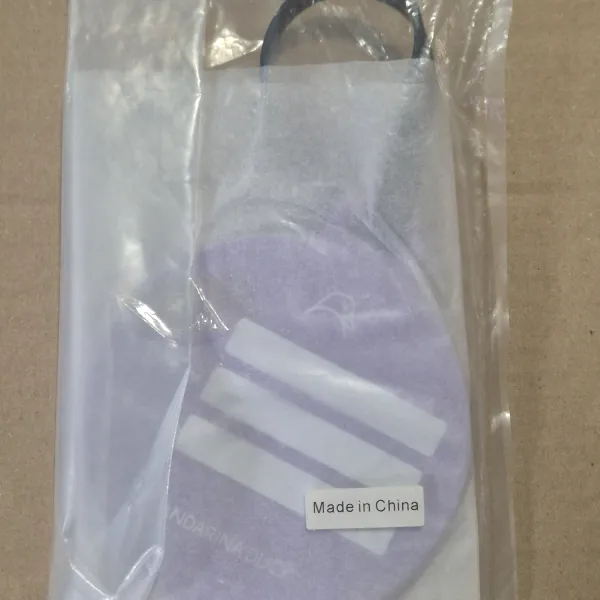
The customer had also specified an individual packaging method for every luggage tag:
- Tissue paper wrapping
- Individual PE bag
- Barcode sticker
- “Made in China” sticker
Because this was a repeat order, the previous packaging instructions were recorded in our system. We assumed that the packaging process would follow the established requirements without any additional issues.
However, during final packing, the luggage tags were bundled together instead of being individually packaged as requested.
When the customer received the shipment, they discovered that the packaging did not match the previous order. They were extremely dissatisfied and requested that all 2,400 pieces be returned for repackaging.
The products themselves were correct, but the order was still not delivered according to the customer’s requirements.
This experience highlighted an important lesson: a successful repeat order requires more than consistent product quality. Packaging consistency matters, too.
Why Packaging Is an Essential Part of Repeat Orders
In manufacturing, packaging is sometimes treated as a secondary task performed after production. For many B2B customers, however, it is an essential part of the finished product specification.
This is particularly true for custom patches, PVC labels, luggage tags, and other apparel accessories supplied to brands, distributors, and garment factories.
Packaging Directly Affects the Customer’s Workflow
Individual packaging may be necessary because products need to be sorted, stored, distributed, or prepared for retail sales.
For example, a customer may require each PVC luggage tag to be individually packed with a barcode so that warehouse staff can scan and manage inventory efficiently.
If the products arrive bundled together without the required bags or labels, the customer must arrange additional labor before the products can be used or distributed.
Even when the product quality is perfect, incorrect packaging can create extra work and disrupt downstream operations.
Small Labeling Details Can Have Significant Consequences
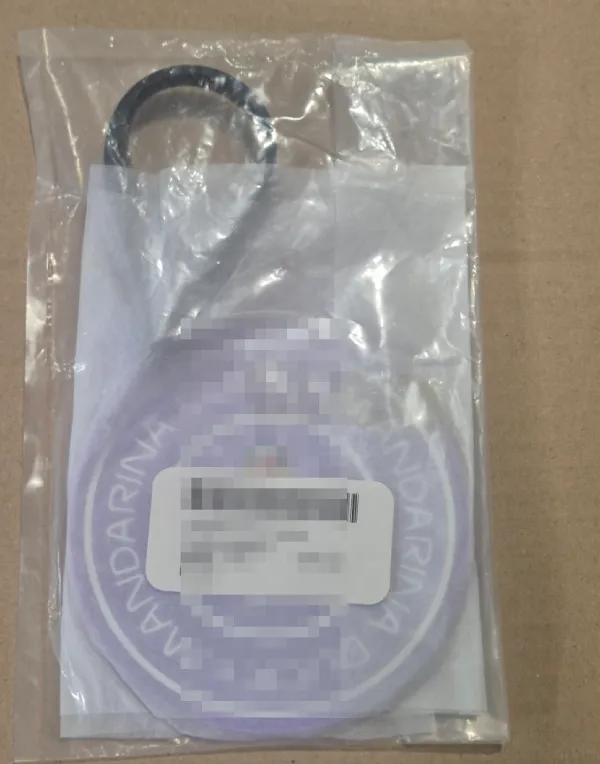
Barcode stickers and country-of-origin labels may appear to be minor details, but they can serve important operational purposes.
A missing or incorrectly positioned barcode may interfere with inventory management or retail preparation. An omitted country-of-origin sticker may also require additional handling before the products are ready for the customer’s intended use.
The specific consequences depend on the customer’s workflow and applicable requirements. For manufacturers, the practical takeaway is simple: packaging instructions should never be treated as optional details.
Repeat Orders Still Require Verification
A repeat order creates a false sense of familiarity. Because the product has already been manufactured successfully, the team may pay less attention to details that seem routine.
However, previous production experience does not automatically guarantee that every step will be repeated correctly.
Packaging requirements can also change between orders. A customer may update a barcode, change the number of pieces per bag, or introduce new labeling instructions.
Therefore, manufacturers should verify the current order requirements rather than relying entirely on memory or assumptions.
The Hidden Cost of a Packaging Mistake
In this case, the customer’s request to return all 2,400 luggage tags for repackaging would have created significant additional costs.
The estimated cost of returning the entire shipment, arranging labor, and purchasing packaging materials exceeded RMB 5,000.
After further communication, we proposed an alternative solution: the customer would arrange local workers to repackage the products, while we would supply the required packaging materials.
This approach reduced the estimated cost to approximately RMB 1,500 and saved considerable transportation and processing time.
| Repackaging approach | Estimated cost | Main consideration |
|---|---|---|
| Return the entire shipment for repackaging | More than RMB 5,000 | Additional transportation, labor, and packaging costs |
| Repackage locally with materials supplied by the manufacturer | Approximately RMB 1,500 | Lower cost and faster resolution |
These figures are specific to this case and should not be treated as standard repackaging costs.
The difference illustrates an important point: preventing a packaging error is usually more efficient than correcting it after delivery.
Once products leave the factory, even a small packing mistake can lead to international shipping expenses, additional labor, customer dissatisfaction, and delays to the customer’s schedule.
A simple packaging verification before shipment could have helped avoid the entire problem.
How Manufacturers Can Prevent PVC Patch Packaging Errors
For manufacturers handling custom PVC patches, luggage tags, woven labels, embroidered patches, and other apparel accessories, packaging control should be integrated into the production workflow.
1. Create a Separate Packaging Specification
Product specifications and packaging specifications should be documented separately.
The product specification should cover dimensions, materials, colors, artwork, thickness, and manufacturing processes. The packaging specification should record how the finished products must be packed and labeled.
For example, a PVC luggage tag order may require the following packaging information:
- Individual or bulk packaging
- Tissue paper, PE bags, or other protective materials
- Pieces per bag or carton
- Barcode sticker content and placement
- Country-of-origin labeling
- Carton quantity, dimensions, and shipping marks
Separating these requirements makes packaging easier to review and less likely to be overlooked during production.
2. Treat Previous Orders as References, Not Automatic Instructions
Previous orders are useful references, especially when the customer expects identical packaging.
However, the team should confirm that the latest order still follows the same requirements. Any changes should be recorded and communicated to the relevant departments.
A clear instruction such as “Pack each piece individually using the approved packaging method from the previous order” is more useful when supported by an actual specification, photograph, or approved sample.
This reduces the risk of different team members interpreting “same as last time” differently.
3. Add Packaging to the Pre-Shipment Checklist
Final inspection should cover both the product and its packaging.
A practical checklist for custom PVC products can include:
- Product appearance, dimensions, color, and workmanship
- Individual packaging method
- Correct quantity per bag
- Barcode accuracy and readability
- Country-of-origin sticker requirements
- Carton quantity and shipping marks
- Comparison with the approved packaging sample or reference photos
For repeat orders, checking packaging against the previous approved version can be particularly valuable.
4. Use Reference Photos for Special Requirements
Written instructions are essential, but photographs can make packaging requirements easier to understand.
A reference photo can show how the product should be wrapped, where stickers should be placed, how the PE bag should be sealed, and how the finished units should be arranged.
For orders involving multiple packaging steps, a simple visual work instruction can help reduce misunderstandings between production, packing, and quality-control teams.
5. Confirm Responsibility for Final Packing
Some orders are packed entirely by the manufacturer, while others involve customer-supplied materials or additional processing at a third-party facility.
The order documents should make it clear who is responsible for supplying packaging materials, applying labels, checking barcodes, and approving the final packing method.
Clear responsibility is especially important when a customer has specific warehouse or retail preparation requirements.
What Should Buyers Check When Ordering Custom PVC Patches?
Manufacturers are responsible for following the agreed specifications, but buyers can also help prevent packaging issues by providing complete instructions before production begins.
When placing a repeat order for PVC patches or other custom accessories, buyers should confirm:
- Whether the packaging must match the previous order exactly
- Whether each piece needs an individual bag or protective wrap
- Whether barcode and country-of-origin stickers are required
- Whether sticker content, dimensions, and placement have changed
- Whether the supplier should provide packaging samples or photos for approval
- Whether the finished packaging must meet specific warehouse or retail requirements
If packaging is important to the customer’s downstream operations, it should be included in the purchase order or approved specification rather than communicated only through informal messages.
Both parties benefit when expectations are clear before manufacturing and packing begin.
Frequently Asked Questions About PVC Patch Packaging
Does packaging matter if the PVC patches themselves are correct?
Yes. Packaging can affect inventory management, product protection, retail preparation, and the customer’s workflow. Correct products delivered in the wrong packaging may still require rework before they can be used.
What information should a PVC patch packaging specification include?
It should identify the packaging materials, individual or bulk packing method, quantity per bag, barcode and sticker requirements, carton quantity, and any special shipping or handling instructions.
Should repeat orders use exactly the same packaging as previous orders?
Only when the customer still requires the same method. Manufacturers should check the latest approved specifications and confirm any changes before packing begins.
How can manufacturers reduce packaging errors?
Use a documented packaging specification, reference photos, clear work instructions, and a pre-shipment checklist. Packaging should be checked as part of final inspection rather than treated as an informal last step.
What should a buyer do if a shipment arrives with incorrect packaging?
The buyer and supplier should document the discrepancy, assess whether local repackaging is practical, and compare the costs and timelines of available solutions. Supplying the correct materials for local rework may be more efficient than returning the entire shipment, depending on the circumstances.
Final Thoughts: A Repeat Order Must Repeat the Entire Specification
A repeat order should reproduce not only the product but also the agreed packaging, labeling, and delivery requirements.
Our PVC luggage tag case demonstrated how a seemingly small packing error could create customer dissatisfaction and thousands of yuan in potential additional costs. Resolving the issue through local repackaging reduced the financial impact, but a proper pre-shipment packaging check would have been the better solution.
For manufacturers, the lesson is to include packaging in order review, production documentation, and final inspection. For buyers, the lesson is to document packaging requirements clearly and approve any changes before shipment.
At QingHan, we believe reliable apparel accessory manufacturing means paying attention to the entire order, from product development and production to packaging and delivery. The goal is not simply to manufacture the right product, but to deliver it in the right condition and in the right way for the customer’s business.
Acerca del autor
——————————————————————————————————————————————

María
Director de ventas
Hola, soy Mary. Me apasiona explorar las nuevas tendencias del sector, me mantengo a la vanguardia y ofrezco a los clientes soluciones con visión de futuro adaptadas a sus necesidades.
——————————————————————————————————————————————