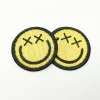
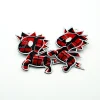
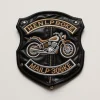
Clothing brand patches are customized textile decorations used by apparel companies to display logos, symbols, and brand identity on garments. They provide fashion brands with a durable and creative branding solution. Custom clothing patches, especially embroidered and PVC patches, help businesses create distinctive products and strengthen customer recognition.
What Are Clothing Brand Patches?
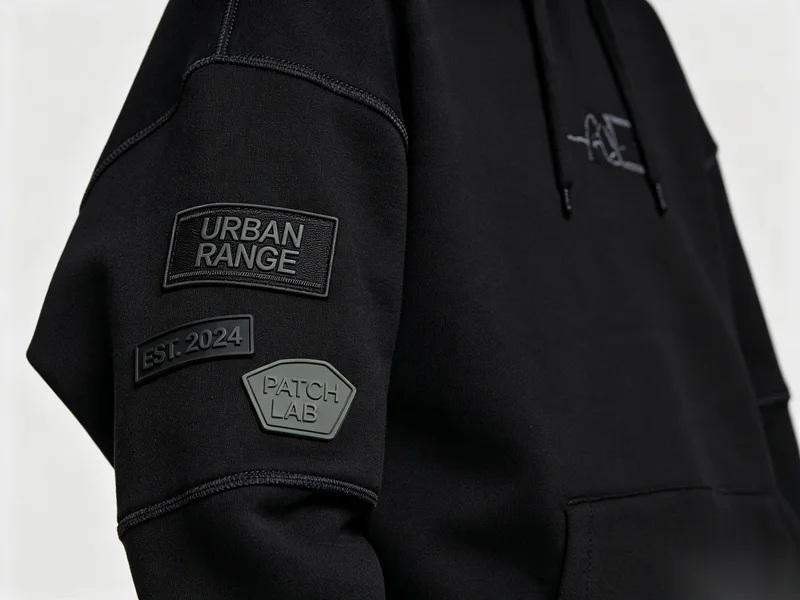
Clothing brand patches are customized patches attached to garments to represent a company, team, collection, or product identity. They are created using different materials and manufacturing techniques to match various fashion styles and application requirements.
Unlike traditional printed graphics, patches add a three-dimensional texture and premium appearance to clothing products. They can transform ordinary garments into recognizable branded items.
For fashion companies, clothing brand patches are not only decorative elements but also important marketing tools.
Common patch applications include:
- Markenlogos
- Fashion symbols
- Collection badges
- Limited-edition graphics
- Team identities
- Decorative artwork
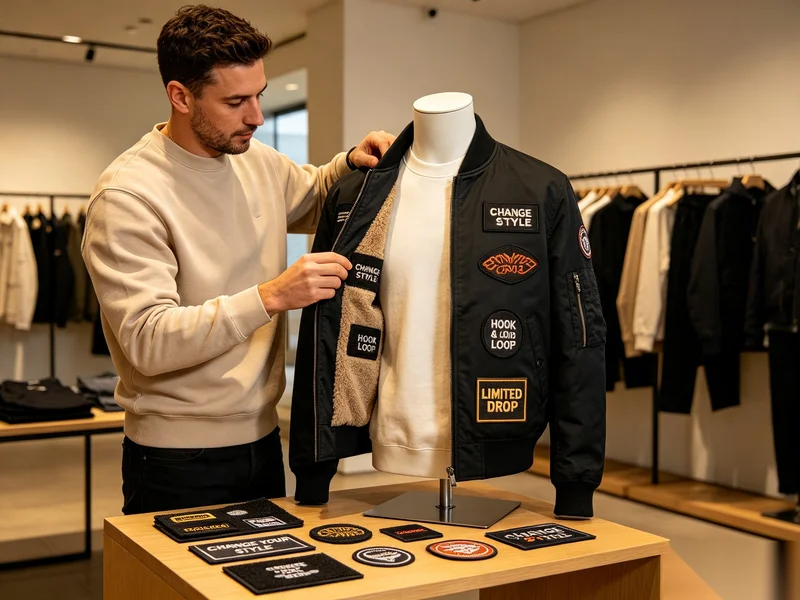
Quick overview: Benefits of clothing brand patches
| Besonderheit | Advantage for Apparel Brands |
|---|---|
| Custom logo designs | Builds stronger brand recognition |
| Premium-Textur | Verbessert das Erscheinungsbild des Produkts |
| Verschiedene Materialien | Fits different fashion styles |
| Langlebige Konstruktion | Suitable for long-term garment use |
| Flexible Befestigungsmöglichkeiten | Supports different product requirements |
For B2B apparel businesses, selecting the right patch manufacturer helps ensure consistent quality and a professional brand image.
Why Are Clothing Brand Patches Important for Fashion Brands?
Can patches make clothing products more valuable?
Yes. In the competitive fashion industry, small design details can significantly influence how customers perceive a product.
A carefully designed patch can add:
- Brand personality
- Product uniqueness
- Hochwertiges Aussehen
- Emotional connection
Many successful clothing brands use patches because they allow products to communicate a story.
Zum Beispiel:
- A streetwear brand may use bold embroidered patches to create a strong urban identity.
- An outdoor brand may use durable PVC patches to highlight adventure and performance.
- A vintage fashion brand may choose woven or embroidered patches to create a heritage feeling.
1. Clothing Brand Patches Improve Brand Recognition
A recognizable logo is one of the most valuable assets for a clothing company.
Custom clothing patches allow brands to display their identity through:
- Firmenlogos
- Unique symbols
- Brand slogans
- Signature graphics
When customers repeatedly see the same patch style across different products, it helps create stronger brand memory.
For apparel companies launching new collections, patches provide an effective way to maintain consistent visual branding.
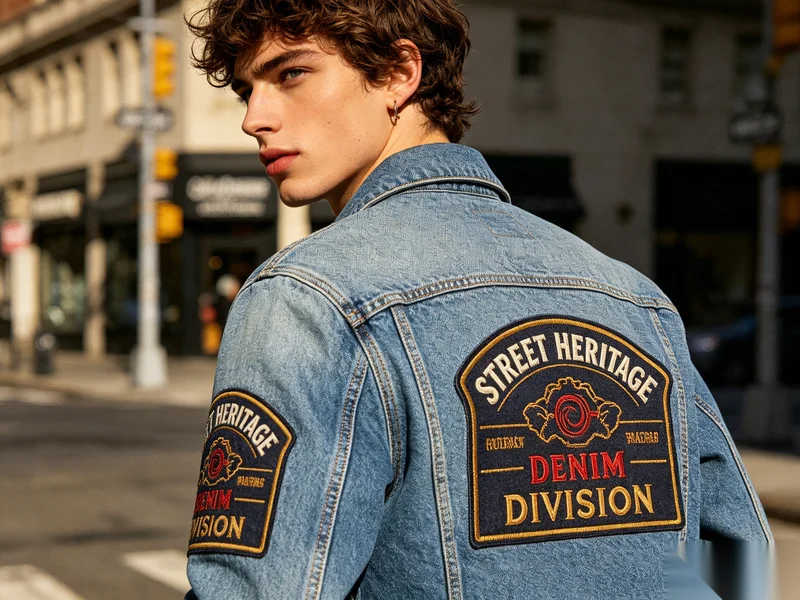
2. Patches Create Premium Product Appearance
Customers often associate detailed craftsmanship with higher product value.
Compared with simple printed designs, clothing brand patches offer:
- Erhöhte Textur
- Starke visuelle Wirkung
- Professional finishing
- Long-lasting appearance
This makes them especially suitable for:
- Hochwertige Modemarken
- Designer-Kollektionen
- Streetwear products
- Sportbekleidung
A well-produced patch can become one of the most noticeable elements of a garment.
3. They Support Product Differentiation
Many apparel markets are highly competitive. Brands need unique elements to stand out.
Custom patches allow businesses to create:
- Limited-edition designs
- Saisonale Sammlungen
- Special collaborations
- Exclusive merchandise
This flexibility helps brands develop products that feel unique rather than mass-produced.

What Types of Clothing Brand Patches Can Businesses Customize?
Different patch materials create different visual effects and performance characteristics.
Embroidered Clothing Brand Patches
Embroidered patches are one of the most popular options for fashion brands.
They are created by stitching threads onto fabric to form logos and designs.
Zu den Vorteilen gehören:
- Classic appearance
- Premium-Textur
- Lange Lebensdauer
- Detailed designs
Gemeinsame Anwendungen:
- Jacken
- Kapuzenpullover
- Denim clothing
- Uniformen
- Streetwear
Embroidered patches are especially suitable for brands that want a traditional and high-quality appearance.
PVC Clothing Brand Patches
PVC patches are made from flexible plastic materials and provide a modern look.
Zu den Vorteilen gehören:
- Wasserdichte Leistung
- Dreidimensionale Effekte
- Easy cleaning
- Lange Lebensdauer
Sie werden üblicherweise für folgende Zwecke verwendet:
- Outdoor-Bekleidung
- Sportswear
- Tactical apparel
- Performance products
PVC patches are ideal for brands looking for a contemporary and durable branding solution.
Silicone Clothing Brand Patches
Silicone patches provide a soft-touch and premium appearance.
Zu den Vorteilen gehören:
- Flexible Textur
- Raised 3D effects
- Modern style
- Ausgezeichnete Haltbarkeit
They are increasingly used by:
- Sportmarken
- Modemarken
- Lifestyle companies
Silicone patches help create a distinctive product experience.
Chenille Clothing Brand Patches
Chenille patches have a thick and soft texture.
Sie werden üblicherweise für folgende Zwecke verwendet:
- School apparel
- Varsity jackets
- College-style fashion
Their bold appearance makes them suitable for retro and sports-inspired designs.
How Are Custom Clothing Brand Patches Made?
Understanding the production process helps businesses choose the right manufacturing partner.
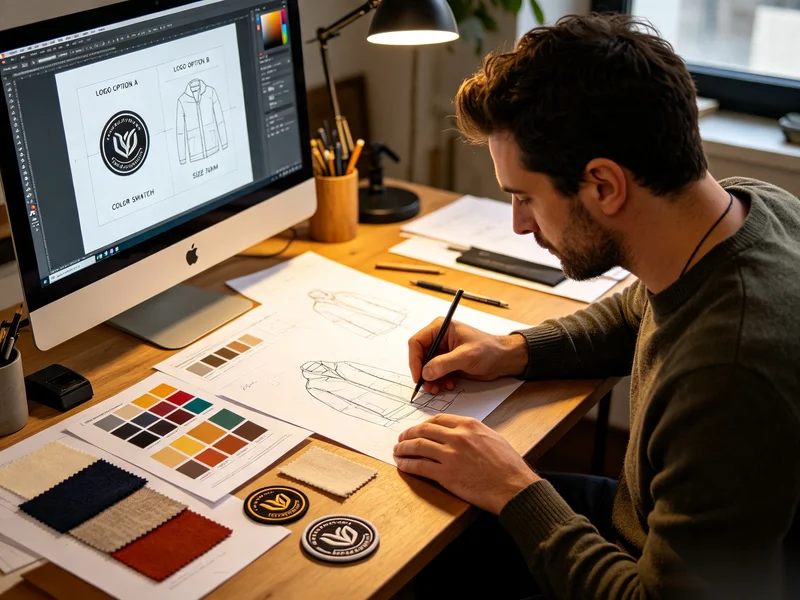
Schritt 1: Designvorbereitung
The process starts with the customer’s artwork.
Brands usually provide:
- Logo-Dateien
- Design concepts
- Color requirements
- Patchgröße
- Product application information
Manufacturers then optimize the artwork for production.
Some designs may require adjustments because different patch technologies have different limitations.
Zum Beispiel:
- Small details may need simplification
- Thin lines may need adjustment
- Colors may need matching with production materials
Step 2: Selecting Patch Materials
Material selection depends on:
- Product style
- Usage environment
- Markenpositionierung
- Required durability
Beispiele:
| Brand Style | Suitable Patch Type |
|---|---|
| Luxuriöse Mode | Embroidered or woven patches |
| Streetwear | Embroidered or silicone patches |
| Outdoor-Bekleidung | PVC-Patches |
| School apparel | Chenille-Flicken |
Choosing the correct material ensures the patch matches both appearance and performance expectations.
Step 3: Sample Development
Before bulk production, manufacturers usually create samples.
Brands can review:
- Farben
- Textur
- Größe
- Logo accuracy
- Anbringungsmethode
Sample approval helps avoid problems during large-scale production.
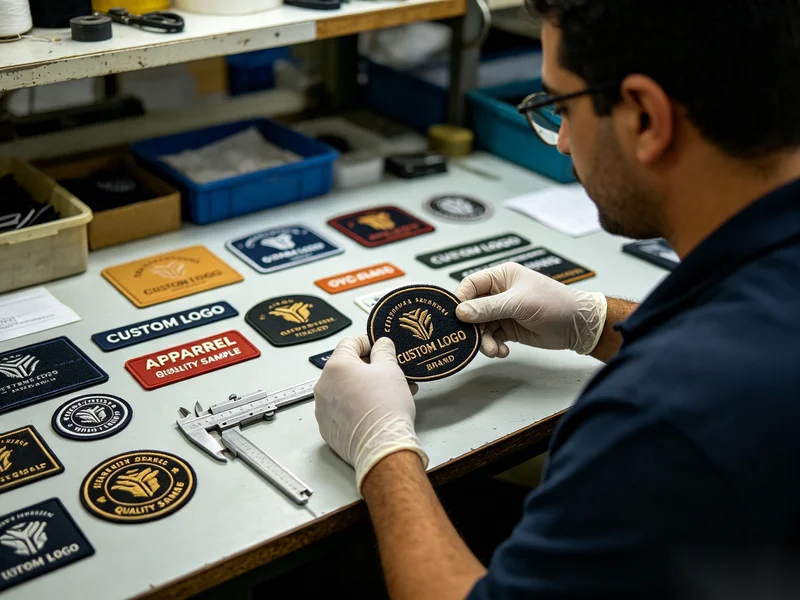
Step 4: Bulk Manufacturing and Quality Control
After approval, production begins.
Manufacturers inspect:
- Patch dimensions
- Materialqualität
- Genauigkeit der Konstruktion
- Kantenbearbeitung
- Backing strength
For B2B buyers, consistent quality is critical because poor-quality patches can affect the reputation of an entire clothing collection.
How Can Fashion Brands Use Patches in Clothing Design?
Clothing brand patches can be applied in many creative ways.
Brand Logo Placement
The most common use is displaying the company logo.
Popular locations include:
- Chest area
- Ärmel
- Shoulder
- Rückseite
Kollektionen in limitierter Auflage
Brands often use exclusive patches for:
- Seasonal releases
- Collaboration products
- Anniversary collections
Unique patches can increase product appeal and collectability.
Geschichtenerzählen durch Design
Patches can represent:
- Brand history
- Company values
- Product themes
- Special events
This allows customers to connect with the meaning behind the product.
Customizable Fashion Products
Some brands create removable patch systems using:
- Klettverschluss-Patches
- Interchangeable designs
This allows customers to personalize their clothing.
How Should Businesses Choose a Clothing Brand Patch Supplier?
Choosing the right supplier directly affects product quality and production efficiency.
1. Review Customization Capability
A reliable supplier should support:
- Individuelle Formen
- Verschiedene Materialien
- Different sizes
- Various backing methods
- Komplexe Kunstwerke
Strong customization ability helps brands create unique products.
2. Check Manufacturing Experience
Experienced manufacturers understand:
- Textile compatibility
- Patch construction
- Production limitations
- Quality requirements
This reduces design and production issues.
3. Evaluate Quality Control
Professional suppliers should inspect:
- Stichqualität
- Farbgenauigkeit
- Patch structure
- Kantenbearbeitung
Consistent quality is essential for maintaining brand reputation.
4. Consider Bulk Production Ability
For apparel companies, suppliers should support:
- Wholesale orders
- Repeat production
- Stable delivery schedules
- International business requirements
A reliable production partner helps brands scale efficiently.
Can Clothing Brand Patches Be Used for More Than Fashion?
Yes. Although mainly used in apparel, custom patches are also popular in many industries.
Die Anwendungen umfassen:
| Industry | Usage |
|---|---|
| Sport | Team logos and badges |
| Schulen | Student and club identity |
| Outdoor-Produkte | Leistungsorientiertes Branding |
| Firmenuniformen | Employee identification |
| Werbemittel | Marketing merchandise |
Their flexibility makes patches valuable for many organizations beyond traditional fashion.
How Can Brands Design Better Clothing Brand Patches?
A successful patch design should balance creativity and production requirements.
Keep the Logo Recognizable
Simple designs usually achieve clearer results.
Wählen Sie die richtige Größe
The patch should match the garment and provide enough space for important details.
Select Suitable Materials
Bedenken Sie:
- Product style
- Usage environment
- Markenpositionierung
Test Samples Before Production
Sample approval helps confirm:
- Aussehen
- Haltbarkeit
- Farbgenauigkeit
- Attachment quality
Frequently Asked Questions About Clothing Brand Patches
What are clothing brand patches used for?
Clothing brand patches are used to display logos, decorate garments, create product identity, and strengthen brand recognition.
What patch type is best for clothing brands?
The best choice depends on the product. Embroidered patches are popular for fashion products, while PVC and silicone patches are suitable for modern and durable applications.
Can clothing brand patches be customized with any logo?
Yes. Professional manufacturers can create patches based on custom logos, artwork, colors, sizes, and design requirements.
Are clothing patches washable?
Yes. High-quality clothing patches are designed to maintain their appearance after normal garment washing.
Can fashion companies order wholesale clothing brand patches?
Yes. Patch manufacturers provide bulk production solutions for clothing brands, retailers, and apparel manufacturers.
What attachment methods are available for clothing brand patches?
Common options include sew-on, iron-on, adhesive, and hook-and-loop backing.
Conclusion: Why Are Clothing Brand Patches a Powerful Branding Tool?
Clothing brand patches combine creativity, durability, and brand storytelling. They allow fashion companies to transform ordinary garments into recognizable products with stronger visual identity.
For apparel businesses searching for custom clothing patches or branded apparel patches, working with an experienced patch manufacturer ensures reliable quality, flexible customization, and consistent production.
A well-designed clothing brand patch is more than a decoration—it is a powerful branding element that helps companies build stronger connections with customers and stand out in competitive fashion markets.
Über den Autor
——————————————————————————————————————————————

Apollo
Senior E-Commerce Manager
Apollo ist ein erfahrener E-Commerce-Manager, der auf Patches, Bekleidungszubehör und digitales Marketing spezialisiert ist und globalen Textilmarken mit bewährten Online-Strategien beim Wachstum hilft.
——————————————————————————————————————————————