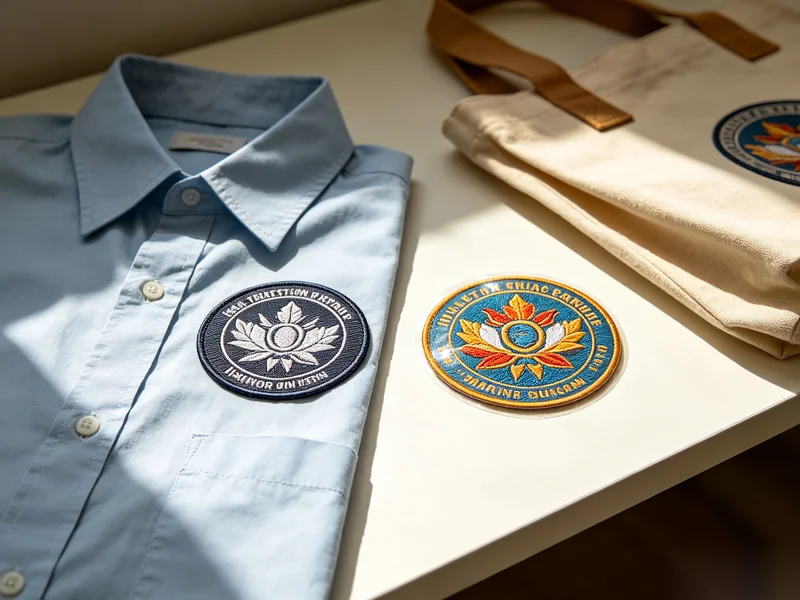
Iron on patch adhesive is a heat-activated glue layer applied to the back of patches, allowing them to bond securely to fabric when heat and pressure are applied. It is widely used in apparel manufacturing for fast, efficient, and scalable patch application without sewing.
| Key Point | Quick Answer |
|---|---|
| What is iron on patch adhesive? | A thermoplastic adhesive backing that bonds patches to fabric with heat. |
| How does it work? | Heat melts the adhesive, which penetrates fabric fibers and solidifies after cooling. |
| Who uses it? | Apparel brands, patch manufacturers, uniform suppliers, and promotional companies. |
| Main advantage | Reduces labor cost and speeds up production. |
Why Is Iron On Patch Adhesive Essential for B2B Apparel Production?
In large-scale garment manufacturing, efficiency and consistency are key. Iron on patch adhesive allows businesses to apply patches quickly without manual stitching, significantly improving production speed.
For B2B buyers, this means:
- Lower labor costs
- Faster turnaround times
- Consistent application quality
- Scalable production processes
Compared to traditional sewing, heat activated adhesive patches simplify workflows, especially when dealing with bulk orders such as uniforms, promotional apparel, and retail collections.
Additionally, modern adhesive technologies ensure strong bonding performance, making patches durable enough for regular wear and washing.
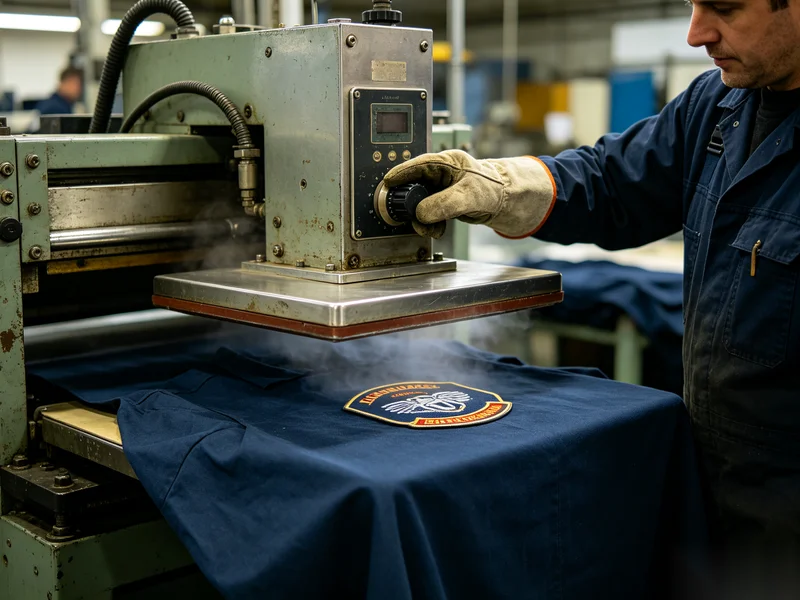
How Does Iron On Patch Adhesive Work?
Iron-on adhesives are typically made from thermoplastic materials that respond to heat.
Step-by-Step Bonding Process
- Place the patch on the fabric surface
- Apply heat using an iron or heat press
- The adhesive layer melts and becomes fluid
- Adhesive penetrates fabric fibers
- Apply pressure to ensure even bonding
- Allow cooling to solidify the bond
Once cooled, the adhesive forms a stable connection between the patch and the fabric.
Key Factors Affecting Adhesion
- Temperature level
- Pressure consistency
- Application time
- Fabric type
- Adhesive quality
Proper control of these factors ensures strong and long-lasting results.
What Types of Iron On Patch Adhesive Are Available?
Standard Heat Activated Adhesive
This is the most common iron on patch glue used for general applications.
Features include:
- Easy to apply
- Suitable for cotton and blended fabrics
- Cost-effective for bulk orders
Industrial-Grade Adhesive
Used in factory environments with heat press machines.
Advantages:
- Stronger bonding strength
- Consistent performance
- Suitable for large-scale production
Double-Layer Adhesive Systems
Enhanced adhesive backing for improved durability.
Benefits:
- Better wash resistance
- Stronger long-term bonding
- Ideal for heavy-use garments
Specialty Adhesives
Designed for specific applications such as:
- High-temperature resistance
- Waterproof bonding
- Stretch fabric compatibility
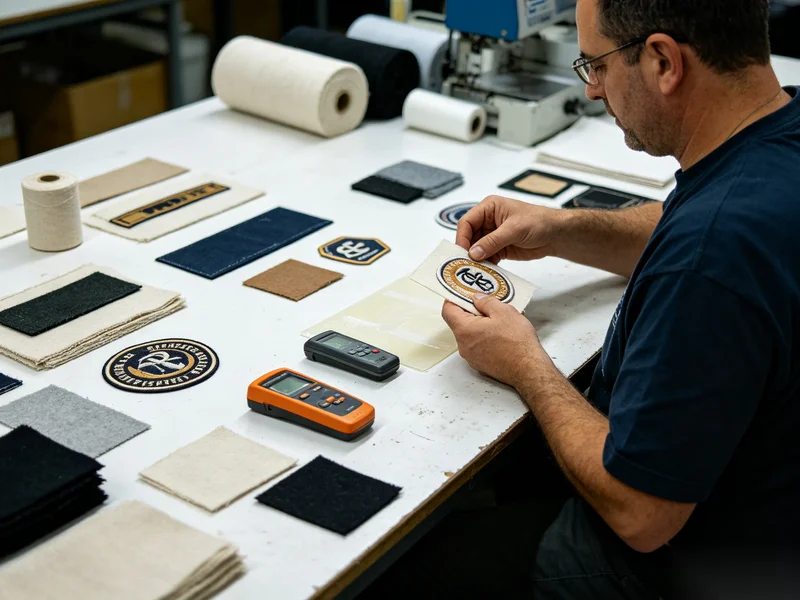
What Fabrics Are Suitable for Iron On Patch Adhesive?
Recommended Fabrics
Iron-on adhesive works best on:
- Cotton
- Denim
- Canvas
- Polyester blends
These fabrics allow proper heat transfer and bonding.
Fabrics to Avoid
Some materials are not suitable:
- Nylon
- Silk
- Waterproof fabrics
- Heat-sensitive synthetics
Testing is recommended before bulk production.
What Are the Advantages of Patch Adhesive Backing?
Faster Application
Compared to sewing, adhesive backing significantly reduces production time.
Lower Labor Costs
Automated heat press machines eliminate the need for manual stitching.
Clean Appearance
No visible stitches create a neat and professional finish.
Scalable for Bulk Orders
Patch adhesive backing allows efficient mass production, especially for large orders.
When Should Iron On Adhesive Be Reinforced with Sewing?
While iron-on adhesive is effective, certain applications require additional reinforcement.
Recommended Use Cases
- Workwear and uniforms
- Motorcycle jackets
- Outdoor gear
- Frequently washed garments
Combining adhesive with stitching ensures maximum durability.
How Is Iron On Patch Adhesive Applied in Manufacturing?
Heat Press Application
Industrial heat presses provide:
- Precise temperature control
- Even pressure distribution
- Consistent results
This is the preferred method for bulk production.
Manual Iron Application
Used for small-scale or retail applications.
Requires careful control of:
- Heat
- Pressure
- Timing
Quality Testing
Manufacturers test:
- Adhesion strength
- Wash durability
- Heat resistance
- Fabric compatibility
This ensures reliable product performance.
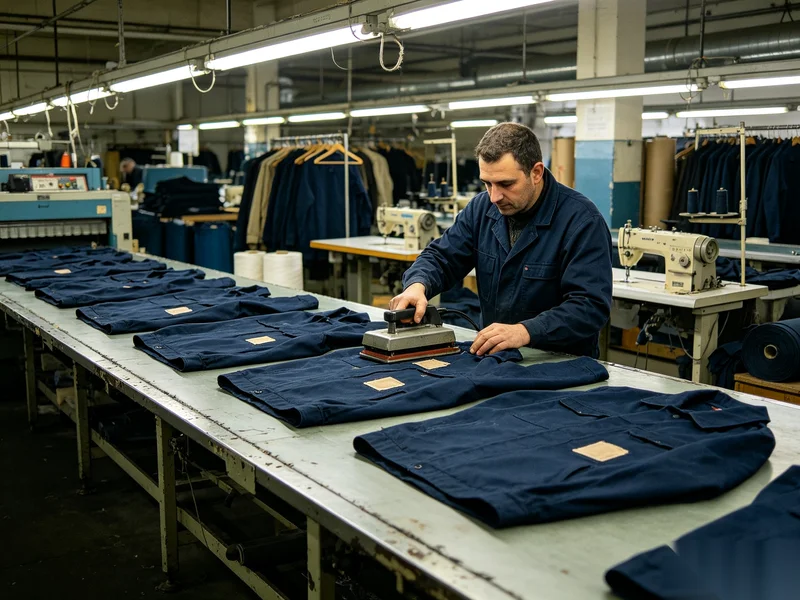
How to Choose a Reliable Patch Adhesive Supplier?
Evaluate Adhesive Quality
Look for:
- Strong bonding performance
- Durability after washing
- Compatibility with multiple fabrics
Check Technical Expertise
A professional supplier should understand:
- Patch manufacturing processes
- Heat transfer technology
- Material compatibility
Consider Customization Options
Reliable suppliers offer:
- Different adhesive strengths
- Multiple backing types
- Custom patch solutions
Assess Production Capacity
For B2B buyers, ensure the supplier can provide:
- Bulk production
- Stable quality
- On-time delivery
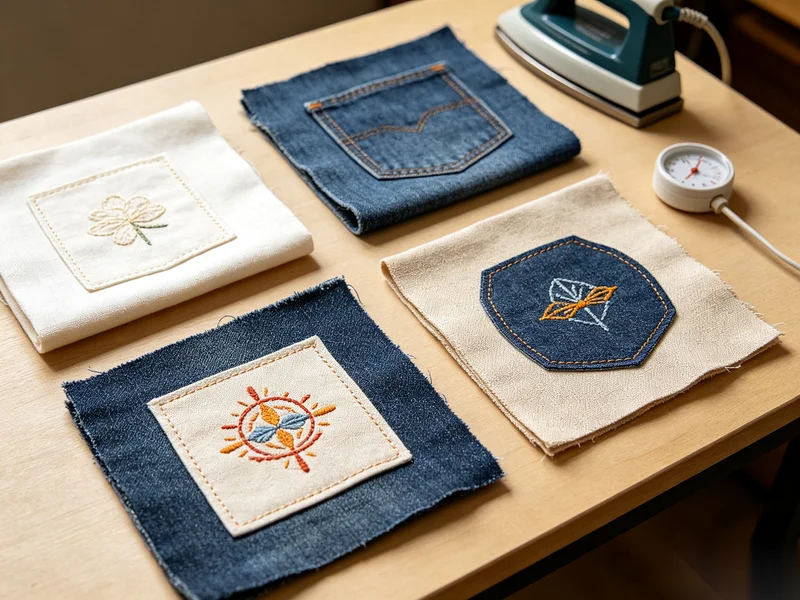
Can Iron On Patch Adhesive Improve Product Competitiveness?
Yes. High-quality adhesive backing enhances both production efficiency and product quality.
For businesses, it enables:
- Faster manufacturing
- Cleaner product design
- Flexible customization
For end users, it provides:
- Easy application
- Reliable bonding
- Long-lasting performance
This combination makes iron-on adhesive an essential component in modern apparel manufacturing.
FAQ About Iron On Patch Adhesive
What is iron on patch adhesive made of?
It is typically made from thermoplastic materials that melt under heat and bond with fabric fibers.
How strong is iron-on adhesive?
High-quality adhesive can provide strong bonding, but durability depends on correct application and fabric type.
Can iron-on adhesive replace sewing?
In many cases yes, but for heavy-duty use, stitching is recommended for reinforcement.
What temperature is required for application?
Temperature depends on the adhesive type and fabric. Manufacturers usually provide guidelines.
Can iron-on adhesive be used on all fabrics?
No. Heat-sensitive materials may not be suitable and should be tested first.
How can businesses improve adhesion results?
Use proper temperature, apply even pressure, allow cooling time, and test before mass production.
Conclusion
Iron on patch adhesive is a key technology in modern patch manufacturing, offering a fast, cost-effective, and scalable solution for attaching patches to garments. From standard heat-activated adhesives to industrial-grade systems, businesses can choose solutions that match their production needs.
For B2B buyers, partnering with an experienced manufacturer ensures reliable adhesive performance, consistent quality, and efficient bulk production. As customization continues to drive the apparel industry, patch adhesive backing remains an essential tool for delivering high-quality, durable products.
About Author
——————————————————————————————————————————————

Apollo
Senior E-commerce Manager
Apollo is an experienced e-commerce manager specializing in patches, apparel accessories, and digital marketing, helping global textile brands grow with proven online strategies.
——————————————————————————————————————————————