A heat seal label is a label applied directly onto fabric using heat and pressure rather than sewing. Commonly used in apparel, sportswear, and uniforms, heat seal labels provide a comfortable tagless experience, reduce production time, and offer a clean, professional branding solution.
What Is a Heat Seal Label?
A heat seal label is a type of garment label that adheres directly to fabric through a heat press application. Instead of being sewn into a garment like traditional woven labels, the label is permanently bonded to the material using a combination of heat, pressure, and adhesive technology.
Heat seal labels are often used to display:
- Brand logos
- Size information
- Care instructions
- Product details
- Country of origin information
As apparel brands increasingly focus on comfort and streamlined production, heat transfer labels have become one of the most popular alternatives to traditional sewn labels.

How Does a Heat Seal Label Work?
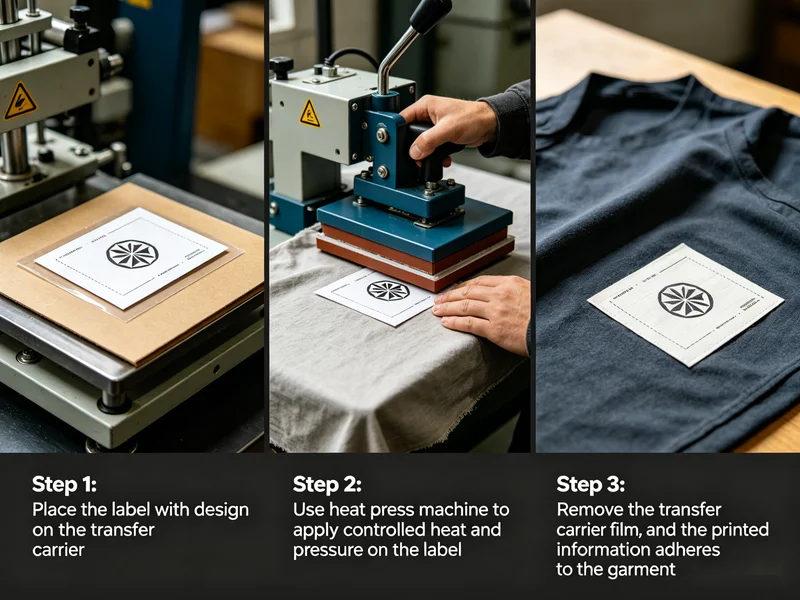
The manufacturing process of custom heat seal labels begins with printing or producing the label design on a special transfer carrier.
During garment production, the label is positioned onto the fabric and applied using a heat press machine. The machine delivers controlled heat and pressure, activating the adhesive layer on the label.
Once bonded, the carrier film is removed, leaving the printed information directly attached to the garment surface.
This process creates a smooth, lightweight label that becomes part of the fabric without adding bulk or causing discomfort.
Because no sewing is required, heat seal labels can significantly improve production efficiency while maintaining a clean appearance.
Why Are Heat Seal Labels Popular in the Apparel Industry?
The popularity of heat transfer labels has increased rapidly due to changing consumer expectations and manufacturing requirements.
One of the biggest reasons is comfort. Traditional woven labels can sometimes irritate the skin, especially when located at the neckline. Heat seal labels eliminate this issue by creating a smooth tagless finish.
They also help apparel brands achieve a modern and minimalist look. Since the label is applied directly to the garment, there are no visible folds, seams, or extra materials.
For manufacturers, heat seal labels simplify production by reducing sewing operations and improving efficiency.
As a result, they are widely used in sportswear, activewear, children’s clothing, underwear, and fashion apparel.

What Are the Advantages of Heat Seal Labels?
Superior Comfort
One of the primary benefits of tagless garment labels is wearer comfort. Without woven edges or sewn seams, the label feels smooth against the skin.
Clean and Professional Appearance
Heat seal labels create a seamless look that enhances the overall aesthetic of the garment.
Lightweight Construction
Because they are applied directly to the fabric, they add virtually no weight or bulk to the product.
Efficient Production
Applying labels with heat transfer technology is often faster than sewing, helping manufacturers streamline production processes.
High-Quality Branding
Modern printing technologies allow heat seal labels to reproduce detailed logos, fine text, and multiple colors with excellent clarity.


Where Are Heat Seal Labels Commonly Used?
The versatility of custom heat seal labels makes them suitable for many apparel categories.
Sportswear and Activewear
Athletic brands frequently use heat seal labels because they enhance comfort and do not interfere with performance.
Fashion Apparel
Many modern clothing brands prefer tagless branding solutions to create a premium customer experience.
Children’s Clothing
Parents and manufacturers often choose tagless garment labels because they reduce skin irritation for children.
Underwear and Sleepwear
Comfort-focused apparel categories commonly use heat seal labels to eliminate abrasive sewn tags.
Workwear and Uniforms
Heat transfer labels can include branding, sizing, and care instructions while maintaining a professional appearance.
Heat Seal Labels vs Traditional Woven Labels
Both label types serve important functions, but they offer different benefits.
Traditional woven labels are known for their durability and premium textile appearance. They are often used on luxury garments and products where visible branding is part of the design.
A heat seal label, however, focuses on comfort, simplicity, and production efficiency. Because it lies flat against the fabric, it creates a cleaner look and a more comfortable wearing experience.
For products where comfort is a top priority, heat seal labels are often the preferred solution.
Many brands use both options strategically, combining woven labels for external branding with heat seal labels for internal garment information.
What Customization Options Are Available?
Modern heat transfer labels offer extensive customization possibilities.
Manufacturers can produce:
- Single-color logos
- Multi-color graphics
- Metallic effects
- Reflective designs
- Soft-touch finishes
- Stretchable performance labels
Labels can also include multiple elements within a single transfer, such as:
- Brand logos
- Care instructions
- Fabric content
- Size indicators
- QR codes
- Product information
This flexibility makes heat seal labels suitable for both basic and premium apparel collections.
How Durable Are Heat Seal Labels?
A common concern among apparel buyers is durability.
High-quality custom heat seal labels are designed to withstand repeated washing, drying, and everyday wear. When properly applied, they maintain strong adhesion and clear graphics throughout the garment’s lifespan.
Factors affecting durability include:
- Label material quality
- Adhesive formulation
- Fabric compatibility
- Application temperature and pressure
- Washing conditions
Working with an experienced manufacturer helps ensure consistent performance and long-term durability.
How to Choose the Right Heat Seal Label Supplier?
For B2B buyers, supplier selection plays a critical role in product quality.
A reliable manufacturer should offer:
- High-resolution printing capabilities
- Durable transfer materials
- Consistent color matching
- Comprehensive quality control
- Technical support for application processes
Businesses should also request samples and wash-test results before moving into mass production.
An experienced supplier can recommend the most suitable heat transfer technology based on fabric type, garment application, and branding requirements.
FAQ
What is a heat seal label?
A heat seal label is a garment label that is applied directly to fabric using heat and pressure instead of sewing.
Are heat seal labels durable?
Yes. High-quality heat seal labels can withstand repeated washing and normal garment use when properly applied.
Why are heat seal labels called tagless labels?
Because they eliminate traditional sewn tags and create a smooth, comfortable label directly on the garment.
What garments commonly use heat transfer labels?
Sportswear, activewear, underwear, children’s clothing, fashion apparel, and uniforms frequently use them.
Can heat seal labels display care instructions and sizes?
Yes. They are commonly used for branding, sizing, care information, and product details.
Are heat seal labels more comfortable than woven labels?
In most cases, yes. Their smooth, flat application reduces skin irritation and improves wearer comfort.
As apparel manufacturers continue to prioritize comfort, efficiency, and modern branding, the heat seal label has become an essential labeling solution. With advantages such as a tagless feel, lightweight construction, and excellent customization capabilities, heat transfer labels provide brands with an effective way to enhance both product quality and customer experience. For businesses seeking scalable and professional garment labeling solutions, custom heat seal labels remain one of the most practical and versatile options available.
About Author
——————————————————————————————————————————————

Apollo
Senior E-commerce Manager
Apollo is an experienced e-commerce manager specializing in patches, apparel accessories, and digital marketing, helping global textile brands grow with proven online strategies.
——————————————————————————————————————————————