Garment transfer stickers are heat-applied designs, logos, labels, or graphics that are transferred directly onto fabric using heat and pressure. They provide a durable, flexible, and cost-effective decoration solution for apparel brands, sportswear manufacturers, and promotional clothing businesses seeking high-quality branding.
What Are Garment Transfer Stickers?
Garment transfer stickers are specialized heat-applied graphics used to decorate or brand clothing products. Unlike traditional embroidered patches or woven labels, transfer stickers are applied directly to the garment surface using a heat press, creating a smooth and professional finish.
These transfers can include logos, brand names, care labels, size markings, promotional graphics, and decorative artwork. They are commonly used on T-shirts, sportswear, uniforms, activewear, workwear, and fashion apparel.
As apparel production continues to evolve, many brands are replacing traditional sewn labels with heat transfer labels for clothing to improve comfort, reduce production time, and achieve a cleaner garment appearance.

How Do Garment Transfer Stickers Work?
The application process for custom garment transfers is relatively simple but requires precise temperature, pressure, and timing to achieve optimal results.
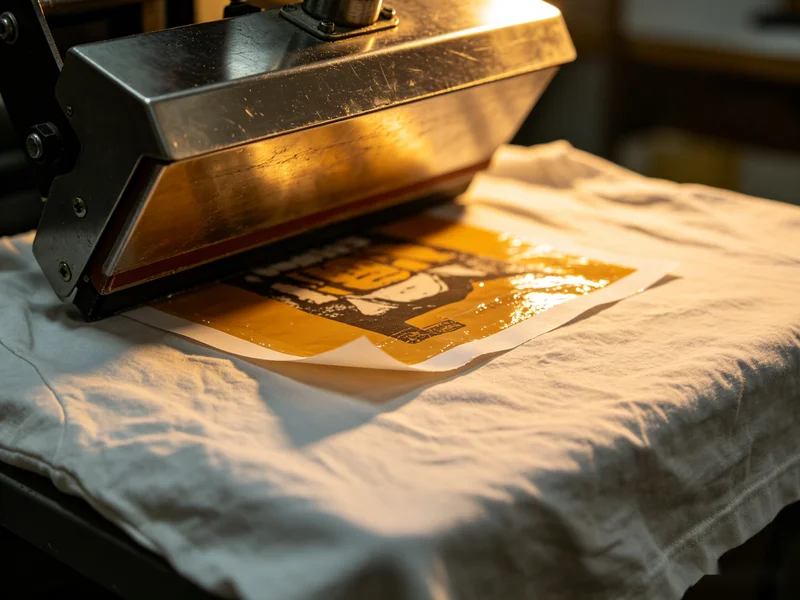
The transfer design is first printed onto a special carrier film using techniques such as screen printing, digital printing, or vinyl cutting. During application, the transfer is placed onto the garment and pressed using a heat press machine.
Heat and pressure activate the adhesive layer, bonding the design directly to the fabric. Once the transfer cools, the carrier film is removed, leaving the graphic permanently attached to the garment.
This process creates a smooth finish without adding significant weight or thickness to the fabric.
Why Are Garment Transfer Stickers Popular in the Apparel Industry?
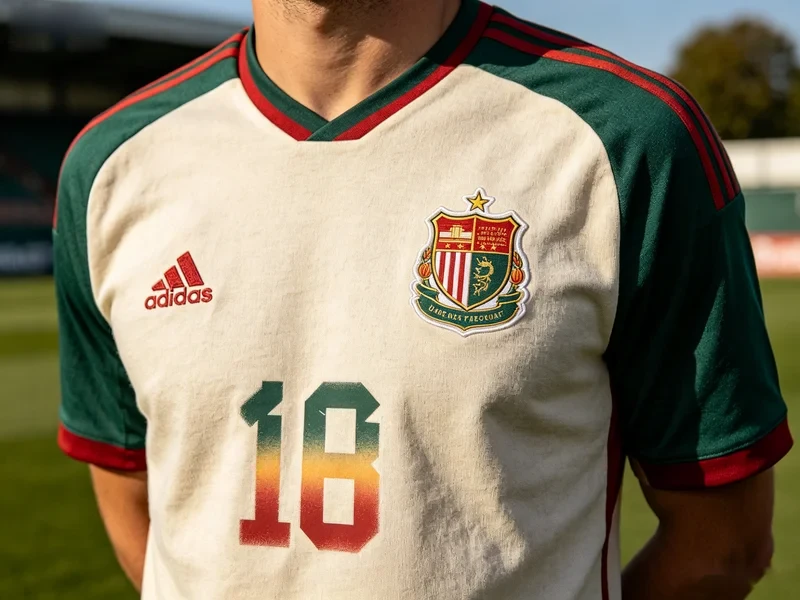
One of the biggest advantages of garment transfer stickers is their versatility. They can reproduce highly detailed graphics, gradients, and multiple colors that may be difficult or costly to achieve through embroidery.
They also improve wearer comfort. Since the transfer is applied directly onto the fabric, there are no raised stitches or woven edges that might cause irritation.
Production efficiency is another major benefit. Applying transfer stickers is often faster than sewing patches or labels, making them attractive for large-scale apparel manufacturing.
Additionally, apparel heat transfer stickers provide excellent consistency across production runs, ensuring that logos and branding elements remain uniform across thousands of garments.
What Types of Garment Transfer Stickers Are Available?
There are several types of garment transfers available depending on the intended application and performance requirements.
Plastisol Heat Transfers
Plastisol transfers are widely used for apparel graphics and promotional garments. They offer vibrant colors, strong durability, and cost-effective bulk production.
Silicone Transfers
Silicone transfers create a soft, flexible, and slightly raised effect. They are commonly used in sportswear and performance apparel because of their stretchability and durability.
PU Heat Transfers
Polyurethane transfers provide a lightweight and smooth finish, making them suitable for fashion apparel and activewear.
Reflective Transfers
Reflective transfer stickers improve visibility in low-light conditions and are often used in safety uniforms and outdoor apparel.
DTF (Direct-to-Film) Transfers
DTF technology allows full-color printing with excellent detail and versatility across various fabric types.
Each option offers unique benefits depending on design requirements and garment usage.
What Are the Advantages of Heat Transfer Labels for Clothing?
Many apparel brands are replacing traditional sewn labels with heat transfer labels for clothing due to several practical advantages.
First, they eliminate the discomfort often associated with woven neck labels. Since the transfer is applied directly to the fabric, there is no additional material rubbing against the skin.
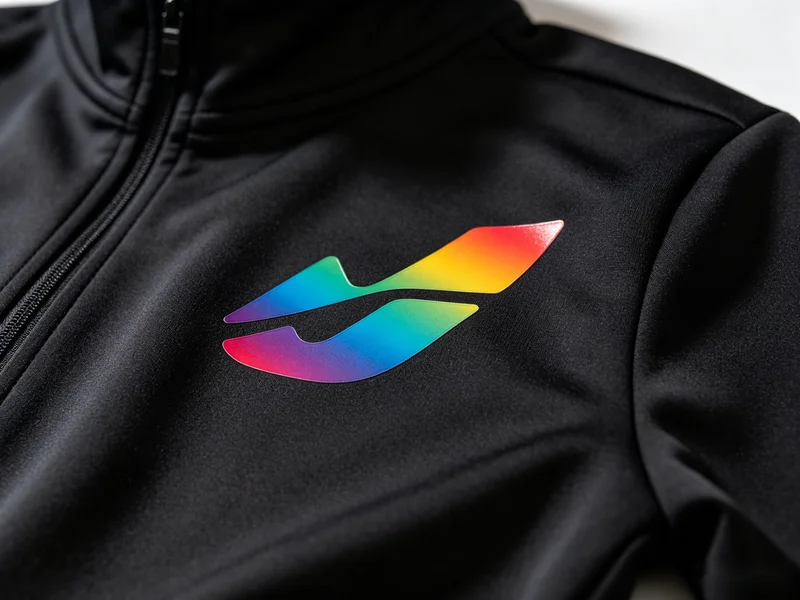
Second, they create a cleaner and more modern appearance. Many premium sportswear and fashion brands prefer tagless labeling because it enhances both aesthetics and comfort.
Third, heat transfer labels reduce sewing operations during production, helping manufacturers improve efficiency and lower labor costs.
Finally, they allow for highly detailed branding, including care instructions, sizing information, and logos within a compact space.
Which Industries Commonly Use Garment Transfer Stickers?
The versatility of custom garment transfers makes them suitable for a wide range of industries.
Fashion brands use them for logos, decorative graphics, and internal branding labels.
Sportswear manufacturers rely on transfer technology for team logos, player names, numbers, and performance apparel branding.
Corporate uniform suppliers use heat transfers for employee identification and company logos.
Promotional product companies frequently choose transfers because they allow fast production and high-quality customization.
Additionally, workwear and safety apparel manufacturers utilize reflective and durable transfer technologies for enhanced functionality.
Garment Transfer Stickers vs Embroidery and Screen Printing
When choosing a decoration method, businesses often compare transfer stickers with embroidery and direct screen printing.
Embroidery provides a premium textured appearance and exceptional durability but may be limited when reproducing highly detailed artwork.
Screen printing works well for large-volume production but often requires significant setup costs and may be less flexible for smaller runs.
Garment transfer stickers offer a balance between detail, efficiency, and versatility. They can reproduce intricate designs while maintaining relatively low production costs.
For many modern apparel brands, transfers provide the flexibility needed to meet changing market demands.
How to Choose the Right Garment Transfer Sticker Supplier?
Selecting a reliable supplier is essential for ensuring product quality and long-term performance.
Businesses should evaluate the supplier’s printing technology, material quality, and quality control procedures. Durability testing is especially important for garments that will undergo frequent washing and stretching.
A qualified supplier should be able to recommend the most suitable transfer type based on fabric composition, intended use, and branding requirements.
Production capacity, lead times, and customization options should also be considered when selecting a manufacturing partner.
Working with an experienced transfer manufacturer helps ensure consistent results and efficient project execution.
FAQ
What are garment transfer stickers?
Garment transfer stickers are heat-applied graphics, logos, or labels that bond directly to fabric using heat and pressure.
Are garment transfer stickers durable?
Yes. High-quality transfers are designed to withstand repeated washing, stretching, and daily wear.
What fabrics can heat transfer stickers be applied to?
They can be applied to cotton, polyester, blended fabrics, and many performance textiles.
Are heat transfer labels more comfortable than woven labels?
Yes. Because they are applied directly to the garment, they eliminate the irritation sometimes caused by sewn labels.
Can garment transfer stickers reproduce detailed logos?
Absolutely. They are capable of displaying intricate designs, fine text, gradients, and multiple colors.
What industries use apparel heat transfer stickers most frequently?
Fashion, sportswear, uniforms, promotional products, workwear, and activewear industries commonly use them.
As apparel brands continue to prioritize comfort, efficiency, and modern branding, garment transfer stickers have become an increasingly important decoration solution. Their ability to deliver detailed graphics, soft-touch performance, and scalable production makes them a valuable choice for manufacturers and brands seeking innovative apparel branding solutions. Whether used as heat transfer labels for clothing or decorative graphics, they provide a versatile and cost-effective option for today’s competitive apparel market.
About Author
——————————————————————————————————————————————

Apollo
Senior E-commerce Manager
Apollo is an experienced e-commerce manager specializing in patches, apparel accessories, and digital marketing, helping global textile brands grow with proven online strategies.
——————————————————————————————————————————————