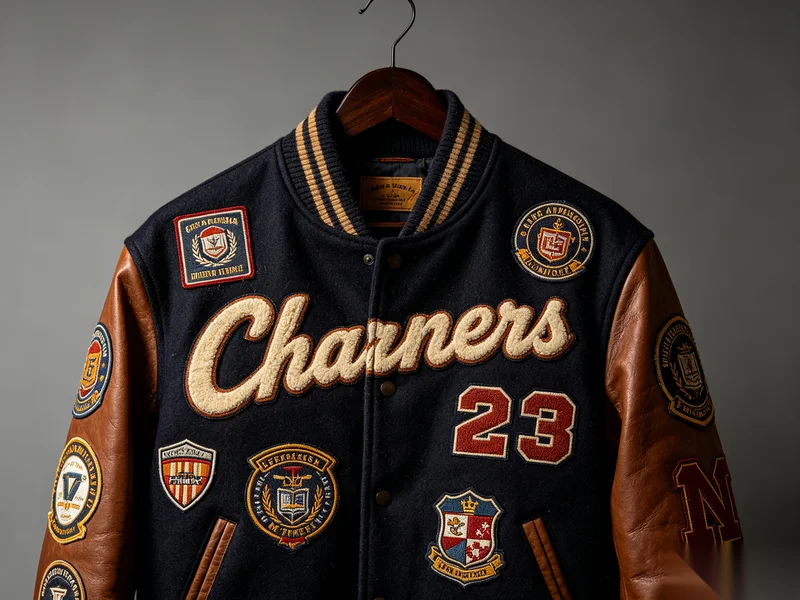
In apparel patches, Screen Printing Silicone vs Mold Silicone differs mainly in production method, 3D effect, cost structure, and scalability. Screen printing silicone is a flexible, low-cost printing process ideal for detailed and multi-color designs, while mold silicone is a high-relief molding process better suited for bold, durable, and large-volume production.
Why Do Brands Compare Screen Printing Silicone and Mold Silicone?
Short Answer:
Because both are used to create silicone logo effects, but they serve very different production needs.
In modern apparel branding, silicone patches are widely used due to:
- Strong 3D appearance
- Excellent durability
- Water resistance
- Premium tactile feel
However, the choice between Screen Printing Silicone vs Mold Silicone determines:
- Visual style
- Production cost
- Minimum order quantity
- Design flexibility
👉 Choosing the wrong process can significantly affect both cost efficiency and final appearance.
What Is Screen Printing Silicone?
Short Answer:
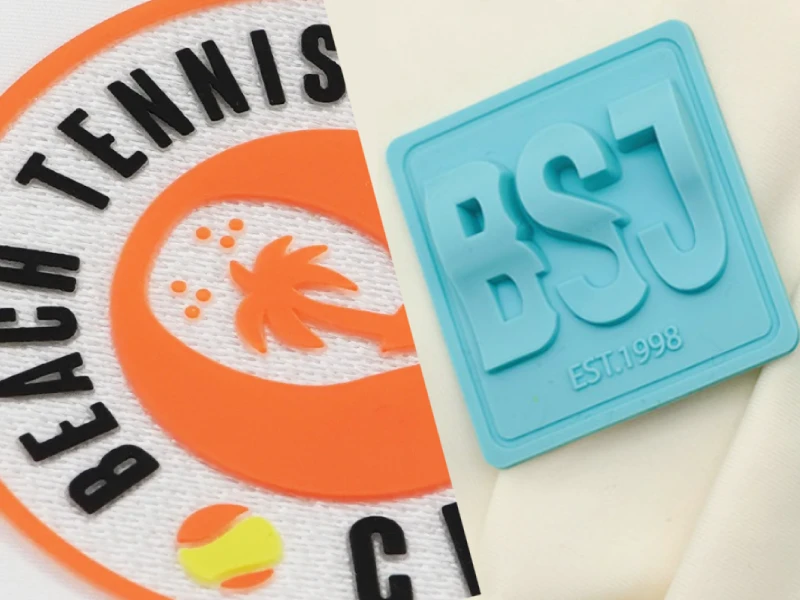
Screen printing silicone is a liquid silicone ink applied layer-by-layer through a mesh screen and cured with heat to form a raised logo.
It is essentially a printing-based silicone process, not a molding process.
Key Characteristics of Screen Printing Silicone
✔ Thin but controllable 3D effect
Typical thickness:
0.1mm – 0.5mm
Can create:
- Light embossing
- Subtle raised logos
- Gradient effects
- Fine line details
✔ No mold required
One of its biggest advantages:
- No steel mold cost
- Fast sampling
- Easy design modification
- Low development barrier
👉 Ideal for fast-moving product development.
✔ Strong detail reproduction
Screen printing silicone performs well in:
- Small text
- Fine lines
- Multi-color graphics
- Gradient designs
This makes it suitable for modern sportswear branding.
✔ High production flexibility
Best suited for:
- Small batches
- Multi-design collections
- Seasonal products
- New brand development

Limitations of Screen Printing Silicone
- Limited thickness (not suitable for heavy 3D effects)
- Risk of edge collapse if over-layered
- Production stability decreases with excessive buildup
- Cost increases with multiple layers and colors
👉 It is best described as a “micro-3D silicone solution.”
What Is Mold Silicone?
Short Answer:
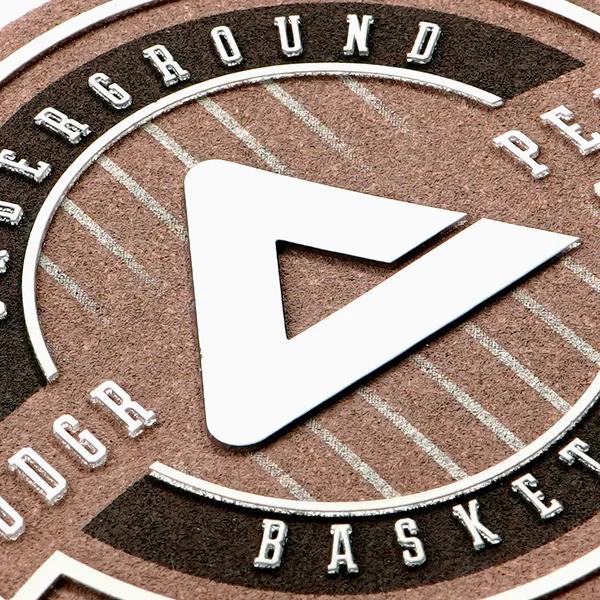
Mold silicone is a compression-molded process where liquid silicone is shaped inside a custom mold under high temperature and pressure.
It is a true 3D forming process, not a printing process.

Key Characteristics of Mold Silicone
✔ Strong 3D structure
Typical thickness:
1mm – 3mm
It allows:
- Deep embossing
- High-relief logos
- Layered structures
- Bold geometric shapes
👉 This is the preferred choice for heavy visual impact.
✔ Clean and sharp edges
Because the shape is defined by a mold:
- Edges are precise
- Lines are stable
- Structure is consistent
This is especially effective for:
- Bold typography
- Simple logos
- Geometric branding
✔ Stable mass production
Once the mold is made:
- Every piece is identical
- High consistency in bulk production
- Efficient for large orders
👉 Ideal for established brands and long-term programs.
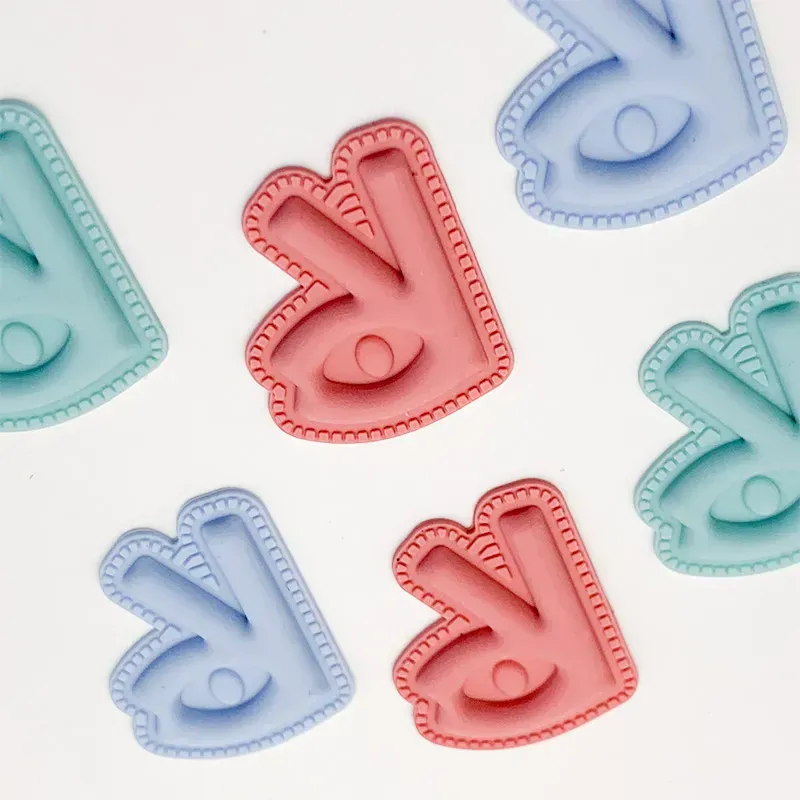
Limitations of Mold Silicone
- High mold development cost
- Longer lead time
- Not suitable for frequent design changes
- Less efficient for small orders
👉 The biggest barrier is the upfront tooling investment.
Screen Printing Silicone vs Mold Silicone: Key Differences
| Feature | Screen Printing Silicone | Mold Silicone |
|---|---|---|
| Production Method | Printing (layered ink) | Compression molding |
| Mold Requirement | Not required | Required |
| Cost | Low setup cost | High mold cost |
| MOQ | Low (50–500 pcs) | High (≥1000 pcs) |
| Thickness | 0.1–0.5mm | 1–3mm |
| 3D Effect | Light embossing | Strong relief |
| Detail Capability | Excellent | Moderate |
| Production Speed | Fast (3–5 days) | Slower (7–10 days) |
| Best For | Complex, multi-color logos | Bold, durable branding |
How Should Brands Choose Between Them?
Choose Screen Printing Silicone If:
Short Answer:
You need flexibility, fast sampling, and detailed designs.
Best for:
- Small batch production
- Multi-color logos
- Fine line graphics
- Fast development cycles
- Soft or premium fashion applications
Choose Mold Silicone If:
Short Answer:
You need strong 3D impact and stable large-volume production.
Best for:
- Large orders
- Single-color bold logos
- High durability requirements
- Long-term brand programs
- Sportswear and outdoor gear
Which One Is Better for Brand Logo Patches?
Short Answer:
Neither is universally better—they serve different branding strategies.
Practical Insight:
- Screen Printing Silicone = design flexibility + detail + speed
- Mold Silicone = structure strength + durability + premium 3D impact
👉 The best choice depends on whether your priority is design complexity or structural presence.
Conclusion
In the comparison of Screen Printing Silicone vs Mold Silicone, the key difference lies in how the logo is created:
- Screen printing silicone builds the design through layered printing, offering flexibility and fine detail.
- Mold silicone builds the design through physical shaping, offering stronger 3D structure and durability.
For apparel brands, the right selection depends on:
- Order size
- Design complexity
- Budget strategy
- Brand positioning
👉 Understanding this difference helps brands choose the most efficient and visually effective silicone patch solution for their products.
About Author
——————————————————————————————————————————————

Heidi
Sales Manager
Hi, I’m Heidi, Sales Manager. Known for professionalism and efficiency, I am often recognized as the top sales performer. I believe expertise and dedication build lasting trust with clients.
——————————————————————————————————————————————