Print labels and woven labels are two of the most common branding elements used in apparel manufacturing. Both carry essential product details—like size, care instructions, and brand identity—but they differ in material, appearance, and production method.
If you’re starting or upgrading a clothing brand, understanding whether to use print labels or woven labels can make a huge impact on how your garments are perceived.
Below, we’ll explain their key differences, advantages, and how to choose the right label type for your fashion line.
What Is a Print Label?
A print label (also called a printed clothing label) is made by printing ink or dye onto a fabric surface such as satin, cotton, or polyester. The text and graphics are applied using methods like screen printing, heat transfer, or sublimation.
In short:
👉 A print label uses ink to create design and text on fabric.
It’s ideal for brands that want soft-touch, lightweight labels with high legibility.
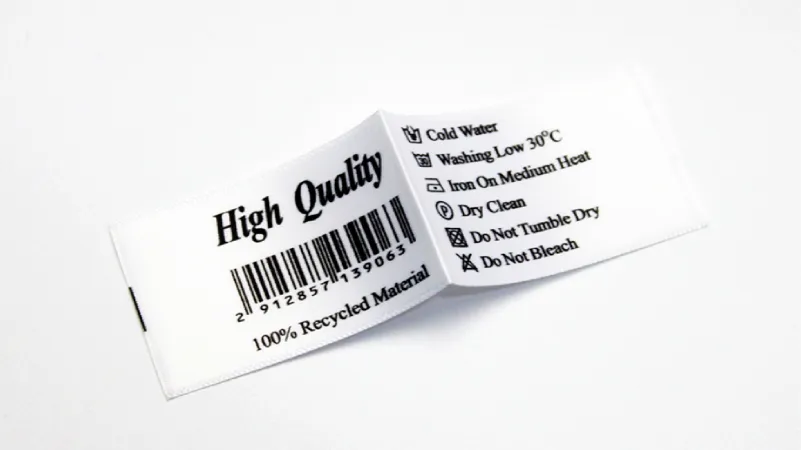
Features of Print Labels:
- Smooth surface with no thread texture
- Detailed graphics possible (e.g., small fonts, gradients, icons)
- Comfortable to wear, especially for neck tags
- Affordable for mass production
What Is a Woven Label?
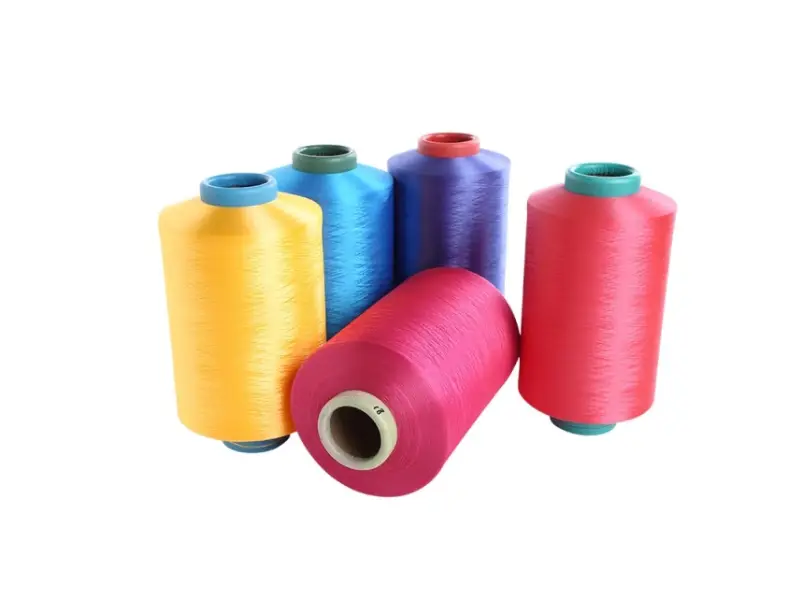
A woven label is created by weaving threads together on a loom to form text, logos, or images directly into the label fabric. Instead of ink, the design is woven from colored yarns, giving it a textured, premium appearance.
In short:
👉 A woven label is made from interlaced threads, not printed ink.
It’s popular for luxury, streetwear, or high-end fashion brands seeking long-lasting branding.
Features of Woven Labels:
- Durable and fade-resistant design
- Premium, tactile texture
- More rigid feel, depending on thread density
- Limited detail on small text or fine graphics

Comparison Table: Woven Label vs Print Label
| Feature | Woven Label | Print Label |
|---|---|---|
| Production Method | Woven with threads | Printed with ink or dye |
| Look & Feel | Textured, premium | Smooth, lightweight |
| Detail Reproduction | Moderate (limited fine detail) | Excellent for small fonts & intricate designs |
| Durability | Extremely long-lasting | May fade after many washes |
| Comfort | Slightly firm | Very soft on skin |
| Cost | Higher | Lower |
| Common Uses | Outer branding labels | Care labels, neck labels, or budget lines |
When Should You Choose Print Labels?
Print labels are a perfect choice when you need flexibility, detail, and comfort.
Best for:
- Neck labels where comfort is key
- Small text (e.g., care instructions, composition)
- Colorful or gradient designs
- Budget-friendly production runs
Advantages:
- Softer against skin (especially satin print labels)
- Cheaper to produce in bulk
- Excellent for detailed logos and icons
- Quick production turnaround
Considerations:
- Ink may fade with repeated washing
- Not as “luxury-feel” as woven labels
When Should You Choose Woven Labels?
Woven labels shine when brand image and longevity matter most.
Best for:
- Outerwear and denim brands
- Luxury or boutique fashion
- Streetwear and designer logos
- Brand labels on visible parts of garments
Advantages:
- High durability and color retention
- Premium, textured appearance
- Increases perceived brand value
Considerations:
- Slightly higher cost
- Limited graphic detail on small text
- Longer production lead time
Different Types of Print Labels
| Type | Description | Recommended Use |
|---|---|---|
| Satin Print Labels | Smooth, shiny surface with ink printing | Neck or care labels for premium garments |
| Cotton Print Labels | Natural look and soft hand feel | Eco-friendly or minimalist brands |
| Polyester Print Labels | Durable, cost-effective option | Activewear and outdoor clothing |
| Heat Transfer Labels | Directly applied to fabric (no tag) | Tagless T-shirts or sportswear |
Each print label type can be customized with different inks, fonts, and finishes to match your brand’s tone—whether soft luxury or sporty modern.
Choosing the Right Label for Your Clothing Brand
When deciding between woven and print labels, consider three main factors:
1. Brand Positioning
- Luxury or designer brand → choose woven labels
- Comfortable, casual, or sustainable line → choose print labels
2. Garment Type
- Soft fabrics (T-shirts, lingerie) → printed satin labels
- Denim, outerwear, uniforms → woven labels
3. Budget and Volume
- Limited-run or custom pieces → print labels (lower MOQ, lower cost)
- High-end collections → woven labels (adds perceived value)
Design Tips for Print Labels
- Use High-Contrast Colors for clear readability.
- Keep Fonts Simple – avoid overly thin or decorative scripts.
- Include Essential Info – size, care instructions, material composition, origin.
- Test Wash Durability – ensure ink quality resists fading.
- Align Branding Consistency – match your logo and color palette with other packaging materials.
A well-designed print label not only informs but also strengthens your brand’s visual identity.
Can You Combine Woven and Print Labels?
Yes — many brands use both woven and print labels for different functions.
Example Combination:
- Woven label for outer branding (logo on hem or collar)
- Print label for care and size information inside the garment
This approach maintains premium branding while keeping comfort and practicality.
Conclusion: Woven vs Print Labels — The Right Choice Depends on Your Brand Identity
If you want a luxurious, long-lasting feel, choose woven labels.
If you prefer a soft, flexible, and detailed look, choose print labels.
Ultimately, your label is more than just a tag—it’s a brand statement.
For new clothing brands or growing apparel lines, print labels offer an affordable and comfortable way to establish identity, while woven labels deliver a professional edge for high-end collections.
Both options, when well-designed, communicate your brand’s values and craftsmanship — making even the smallest details speak volumes about your fashion story.
About Author
——————————————————————————————————————————————

Apollo
Senior E-commerce Manager
Apollo is an experienced e-commerce manager specializing in patches, apparel accessories, and digital marketing, helping global textile brands grow with proven online strategies.
——————————————————————————————————————————————